
Stocking plan

Plan a freshwater tank stocking

Set volume, add species with the numbers you actually plan to keep, and get a conservative verdict for the whole stocking — bioload, group size, zone crowding, and multi-species conflicts, not a single pair in isolation. Use the editor first; the planning notes below explain why a pairwise match still needs a tank-level check.

Shared plan · RISKY

Schooling welfare — a shoaling species is below the safe minimum group size. Review supporting points next, then re-run the check.

Primary issue: Schooling welfare — a shoaling species is below the safe minimum group size. Hard conflicts on file (water, pairing, size, or bettas) — resolve red items before fine-tuning decor or food. 10 fish across 3 species in 60L. Shared temperature 22–26°C. Stocking: understocked (load index 21 vs ref 60).
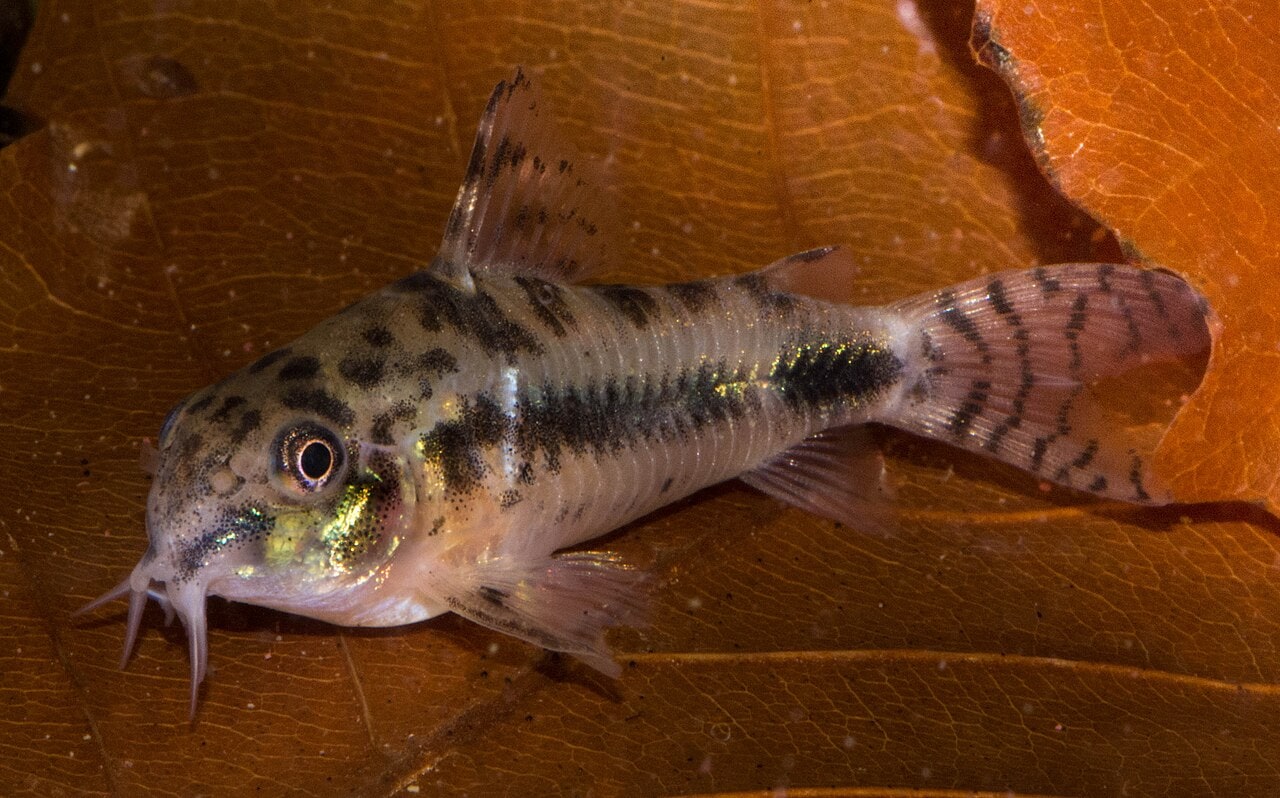
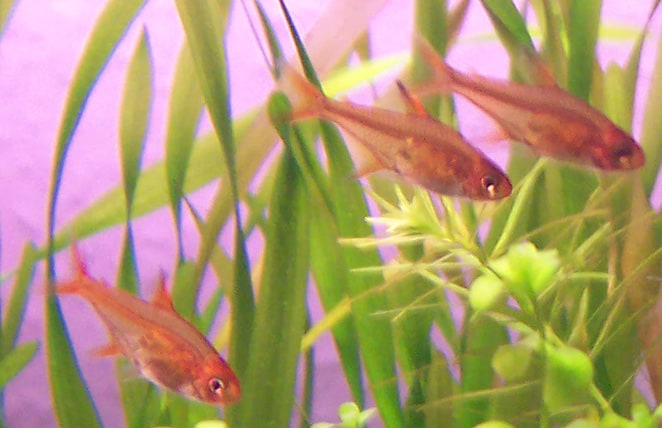
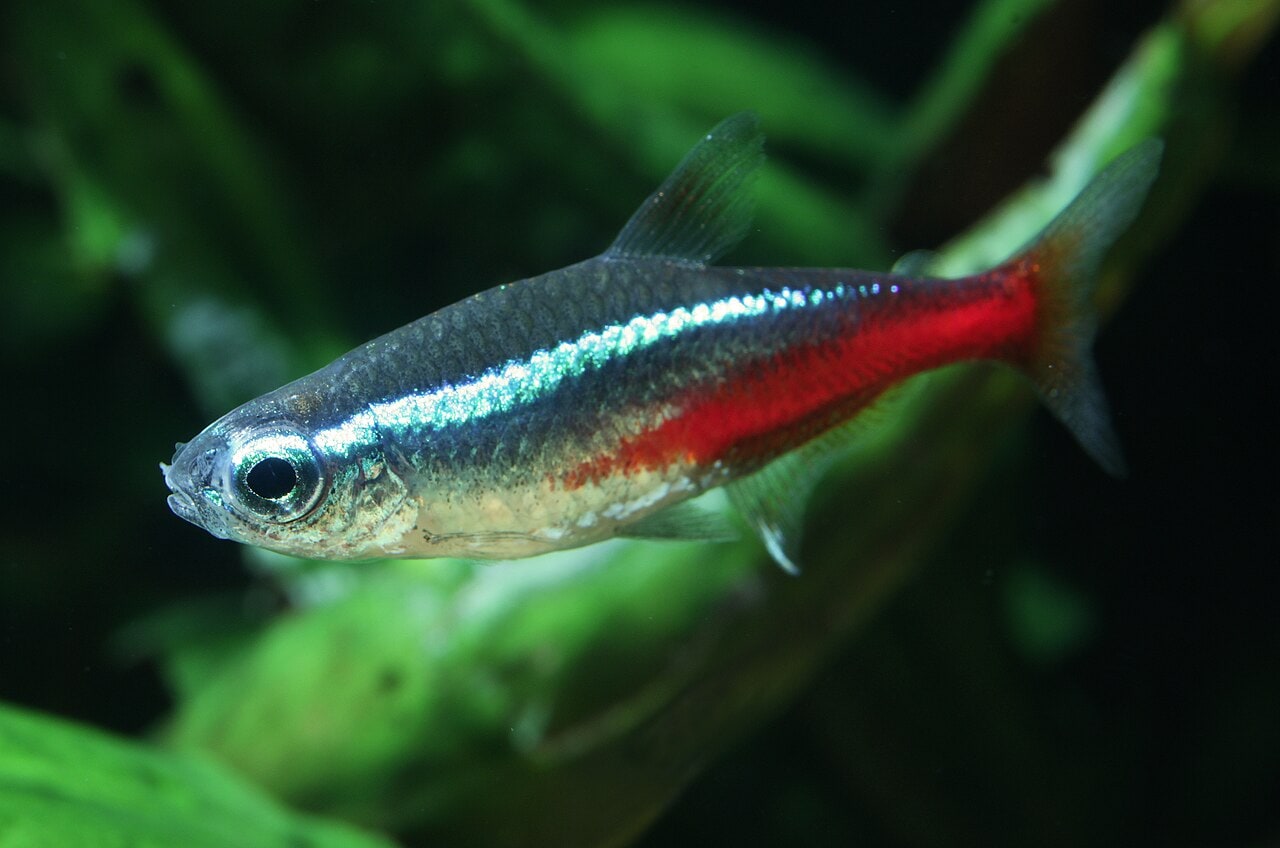
Salt and pepper cory / dwarf coryEmber TetraNeon Tetra

Tank preview60L · 10 fish
8× Salt and pepper cory / dwarf cory1× Ember Tetra1× Neon Tetra

Your stock

Salt and pepper cory / dwarf cory
3.5cm · peaceful · 60L min
8
Ember Tetra
Ember Tetra
2cm · peaceful · 45L min
1
Neon Tetra
Neon Tetra
4cm · peaceful · 40L min
1
VerdictRISKY

Schooling welfare — a shoaling species is below the safe minimum group size. Review supporting points next, then re-run the check.

Primary issue: Schooling welfare — a shoaling species is below the safe minimum group size. Hard conflicts on file (water, pairing, size, or bettas) — resolve red items before fine-tuning decor or food. 10 fish across 3 species in 60L. Shared temperature 22–26°C. Stocking: understocked (load index 21 vs ref 60).
Score 56/100·Confidence low·Hard conflicts (size, water, pairing)

One or more species profiles are only partially verified or need verification — treat numbers as planning guidance, not guarantees. Elevated risk verdict — we bias toward safety; your reading of specialist sources still matters.

Pair compatibility for any two species · Fish library

Critical problems

  • Ember Tetra is a schooling/shoaling species — keeping only 1 is a serious welfare risk; aim for at least 8.
  • Neon Tetra is a schooling/shoaling species — keeping only 1 is a serious welfare risk; aim for at least 6.

Water overlap

What every fish can share at the same time

Shared temperature: 2226°C

Shared pH: 6.07.0

Shared temperature range for all species: 22–26°C.

Shared pH window: 6.0–7.0.

Stocking pressure

understocked

Load index 21 vs conservative reference 60 for 60L (adult cm × quantity × bioload weight × territory factor).

Swim-zone distribution

Fish-weighted zone use — top 0.0, middle 2.0, bottom 8.0 (relative biomass per level).

top 0
middle 2
bottom 8

Most biomass leans toward one swim level — shy fish may feel exposed or outcompeted at feeding time.

Fix this setup

Grouped by scenario — work through each block in order

Schooling & group sizes

  • 1.Add more Ember Tetra to reach at least 8 individuals, or remove the species.
  • 2.Add more Neon Tetra to reach at least 6 individuals, or remove the species.

Layout & swim zones

  • 1.Add structure (caves, tall plants) and consider species that use under-represented zones.

Suggested swaps

  • Single-biome community: e.g. soft-water South Americans together (tetras + corydoras + small gourami) — run the pair tool for every add-on.
  • Species or centrepiece tank: one main species (or one compatible pair group) in a right-sized aquarium with dither fish from the same water profile — not random continent mixing.

Beginner difficulty

advanced

  • Includes intermediate species — stable parameters matter.
  • Serious compatibility or tank-size issues — not a beginner layout until resolved.

Schooling / group size

  • Ember Tetra is a schooling/shoaling species — keeping only 1 is a serious welfare risk; aim for at least 8.
  • Neon Tetra is a schooling/shoaling species — keeping only 1 is a serious welfare risk; aim for at least 6.

Fish behaviour varies. Fishori gives conservative planning guidance based on adult size, temperament, tank size and common aquarium care sources.