By question
Guides
One question per list. Pull names from the live 135-species library, then verify with the pair checker or tank builder.
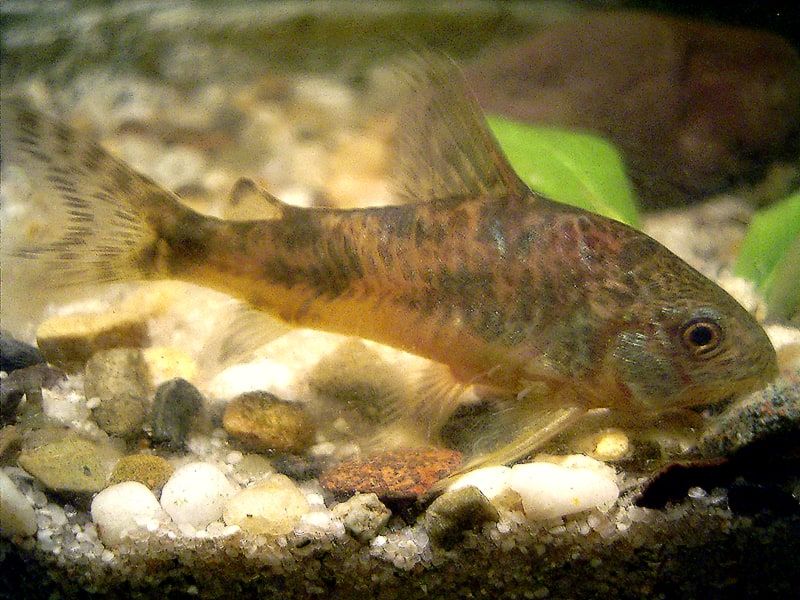
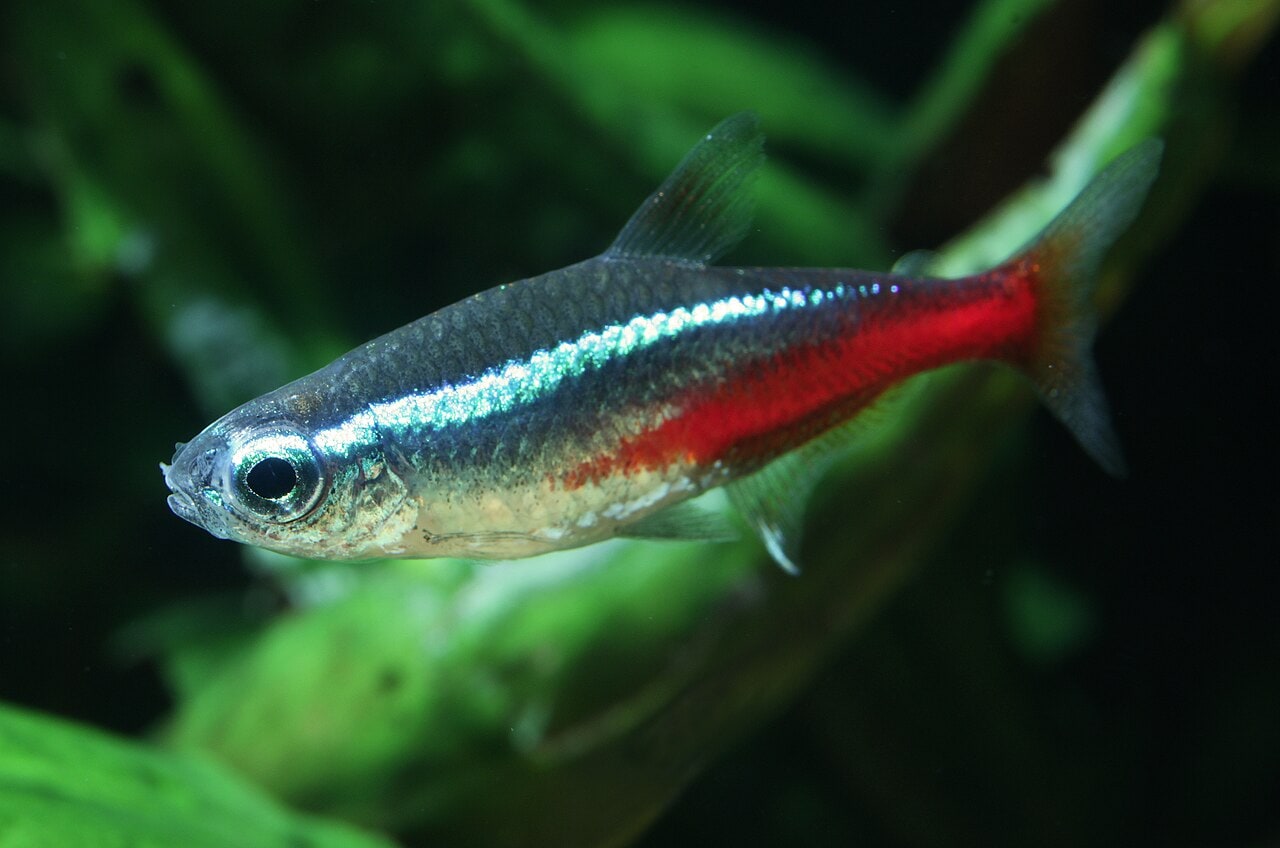
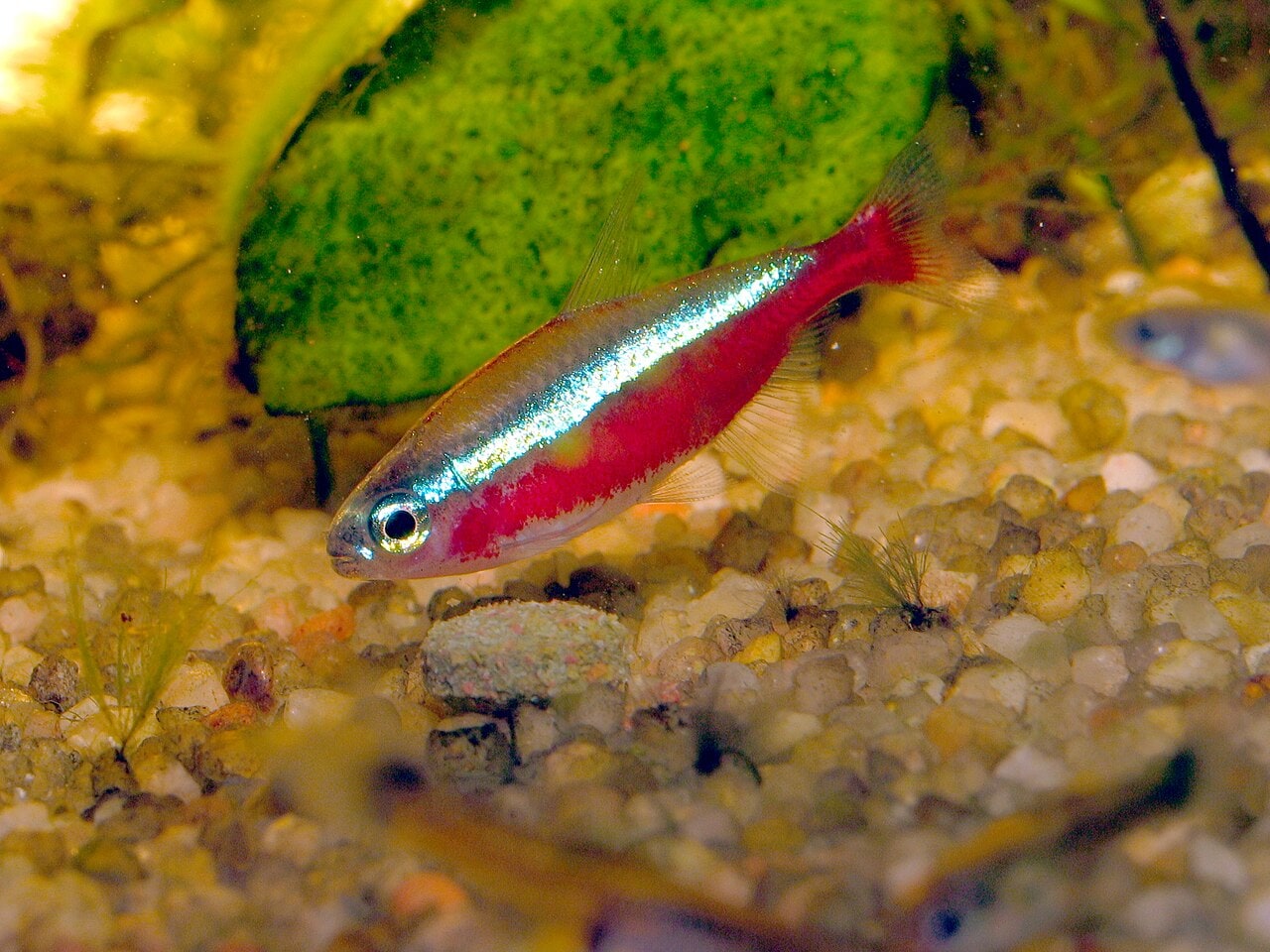
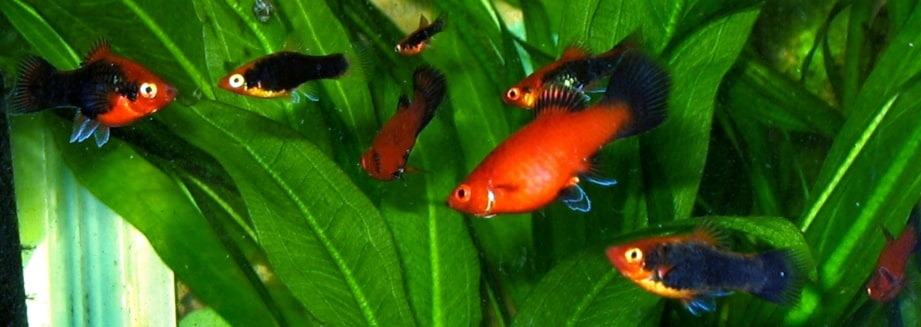
Peaceful community
103No aggression flags on file — still pair-check volume, water chemistry, and group size.
See the list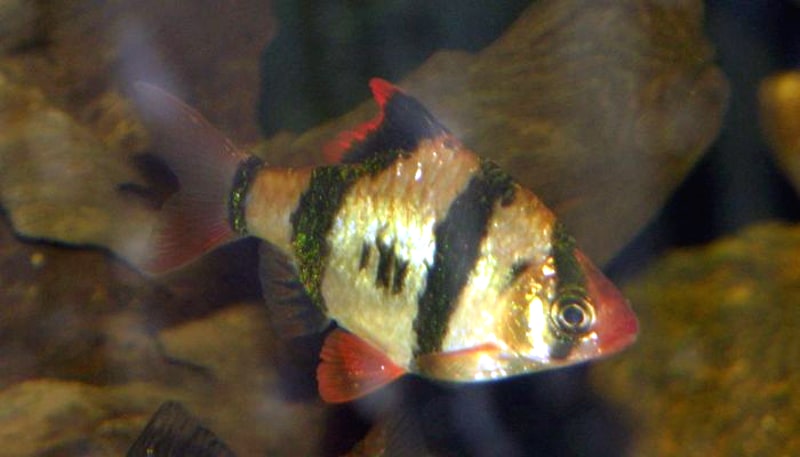
Fin nippers
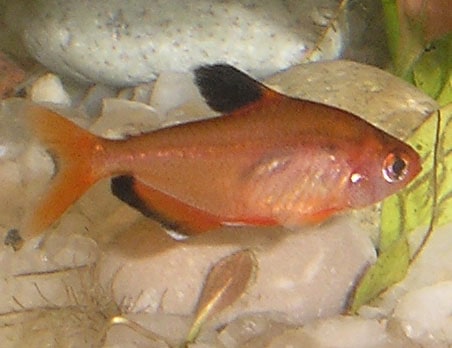
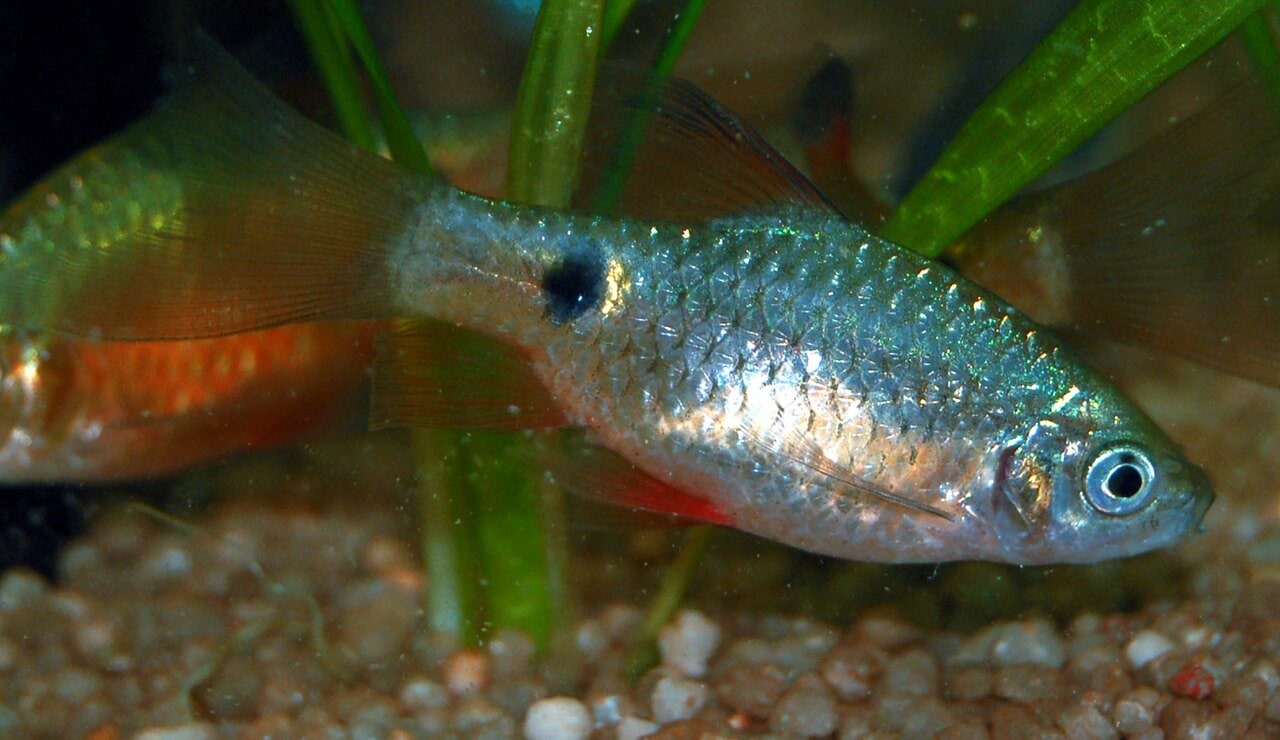
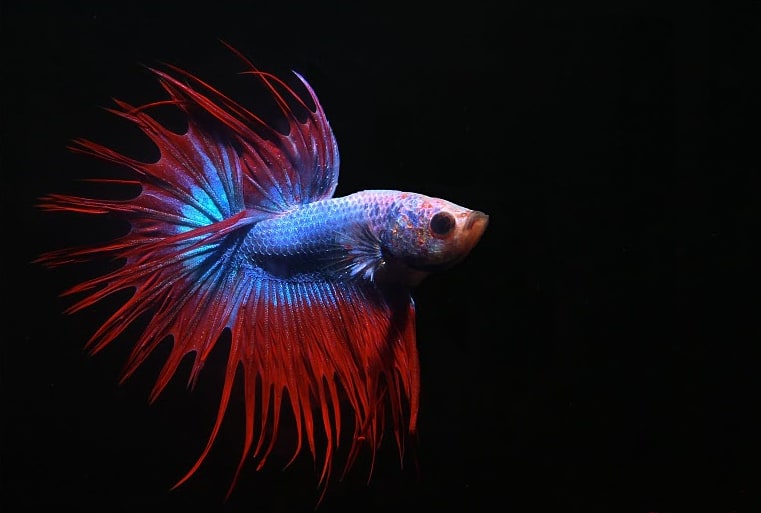
16Honest group size and swim length fix most nipping. Keep them away from long fins.
See the list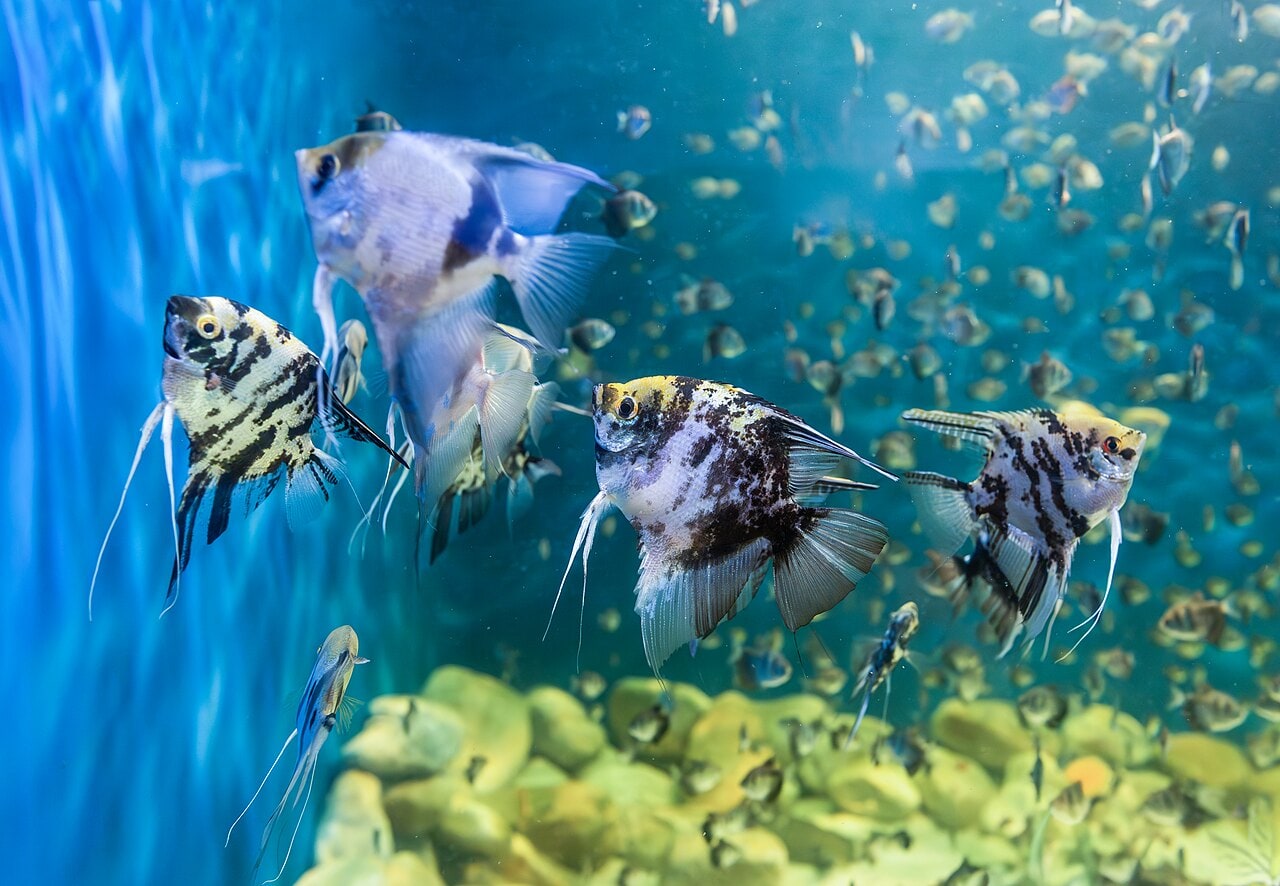
Aggressive fish
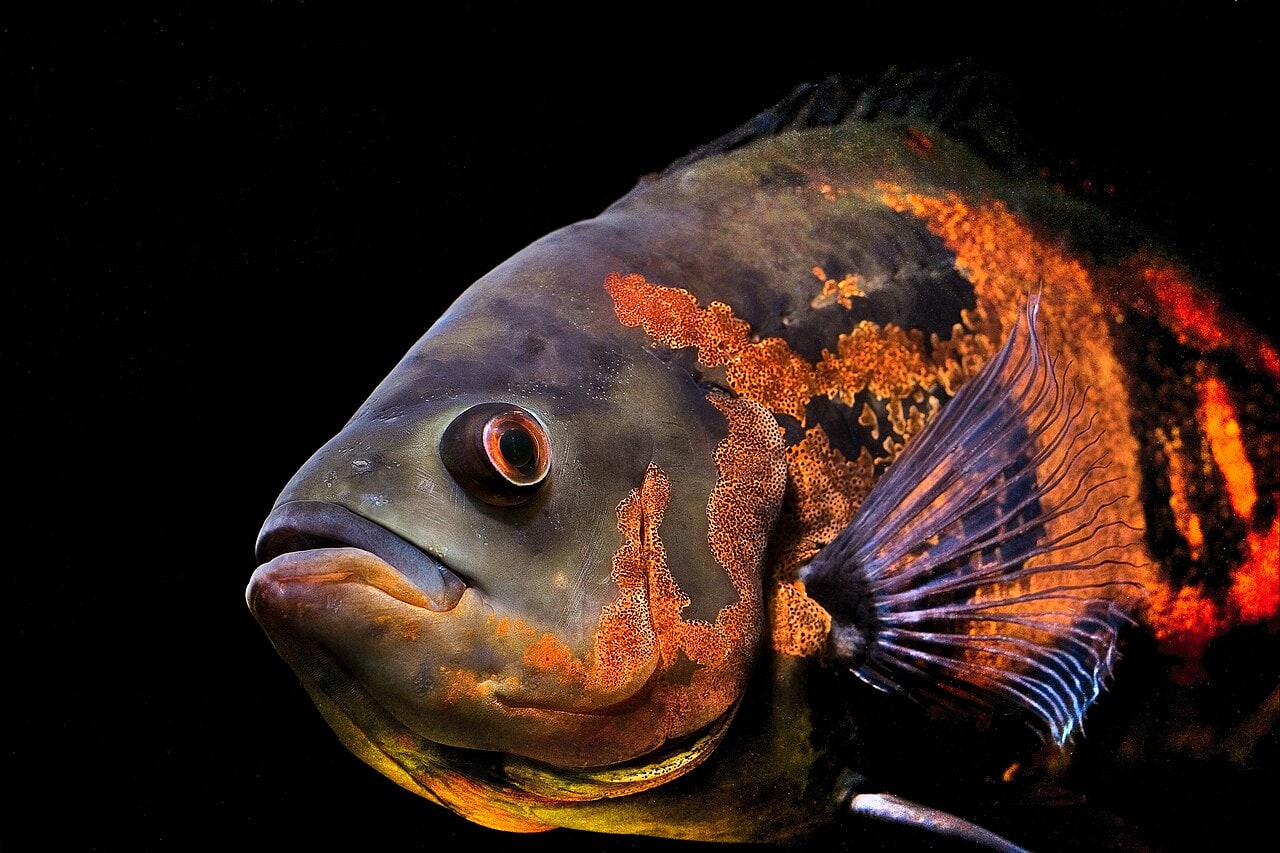
32Need space, sight-line breaks, and usually one centrepiece — not a mixed "community kit".
See the list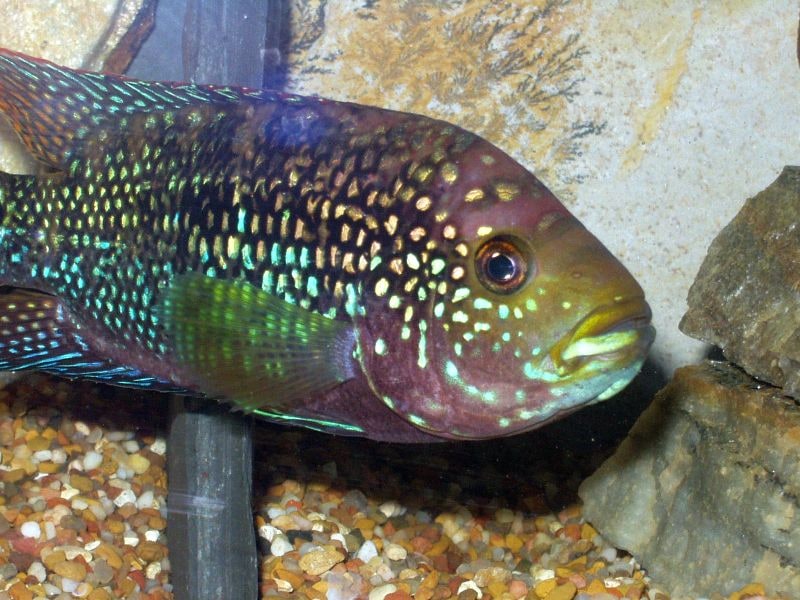
May eat tank mates
41Plan around adult mouth size. The polite shop juvenile is not the fish you keep.
See the list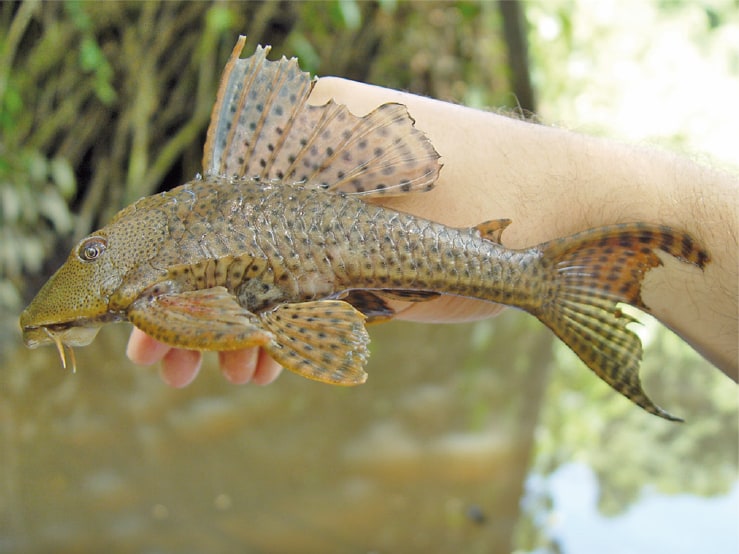
Outgrow small tanks
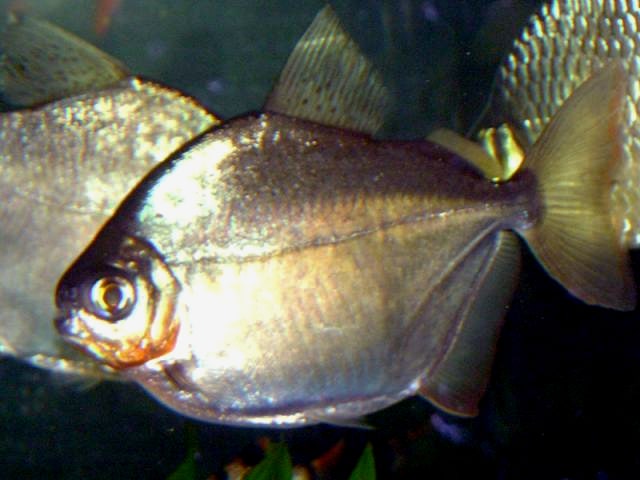
47Adult size and minimum litres that outrun starter aquariums — "grows to the tank" is a stunting myth.
See the list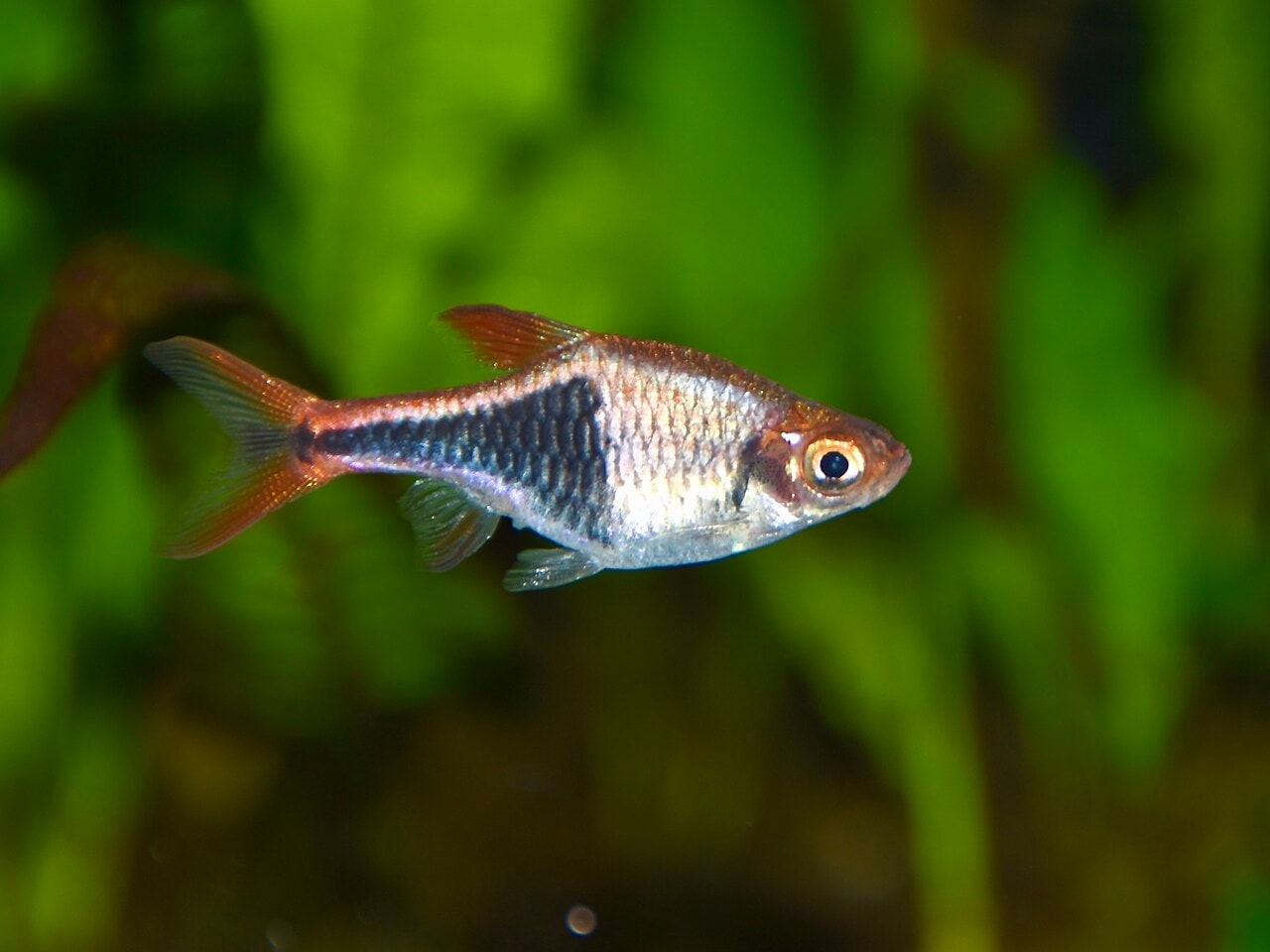
Schooling fish
81Buy the whole group at once. Under-schooled fish hide, nip, and ignore food.
See the list
Smaller tanks
43Minimums that fit nano and mid-size tanks — one species plan, not a crowded mix.
See the list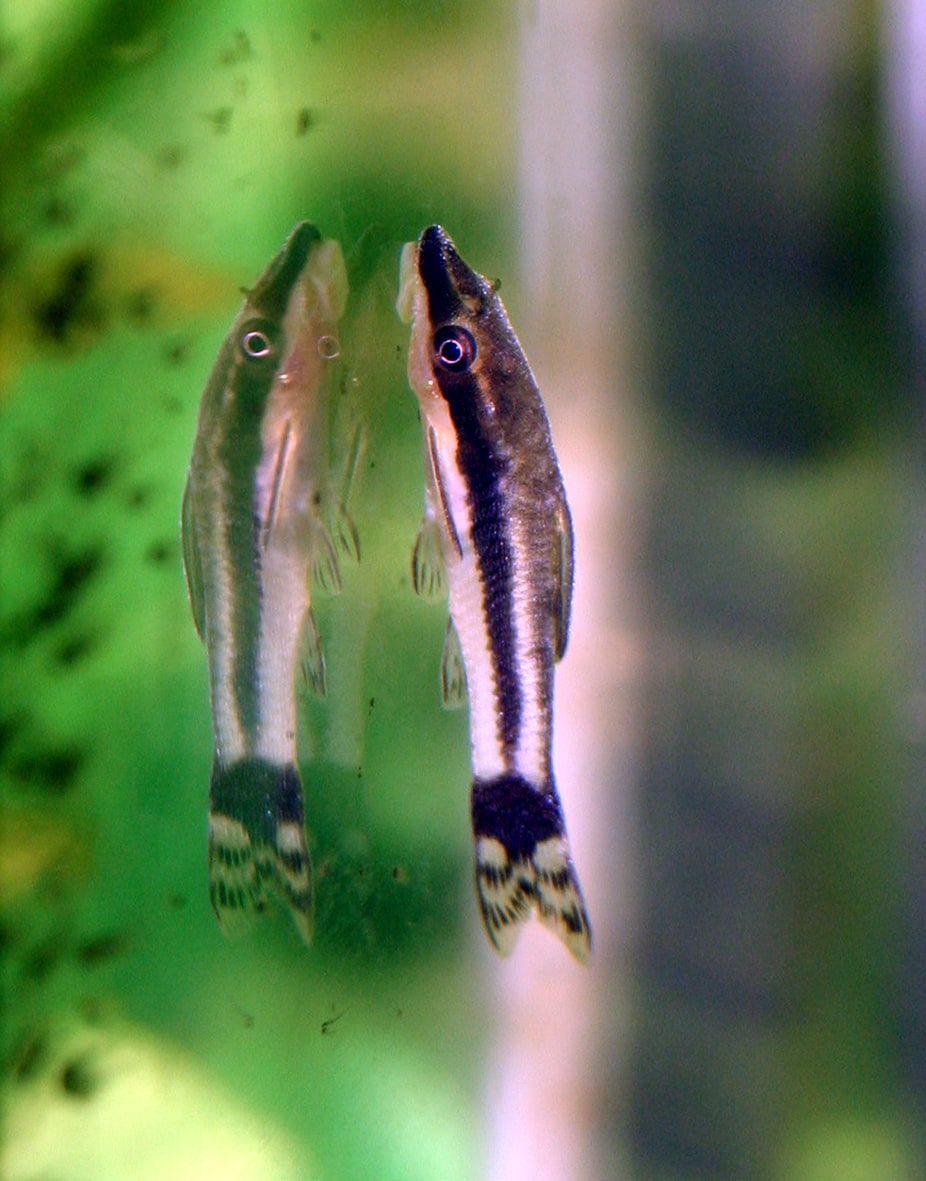
With shrimp
58Peaceful and small on paper — still plant heavily and add the shrimp colony first.
See the list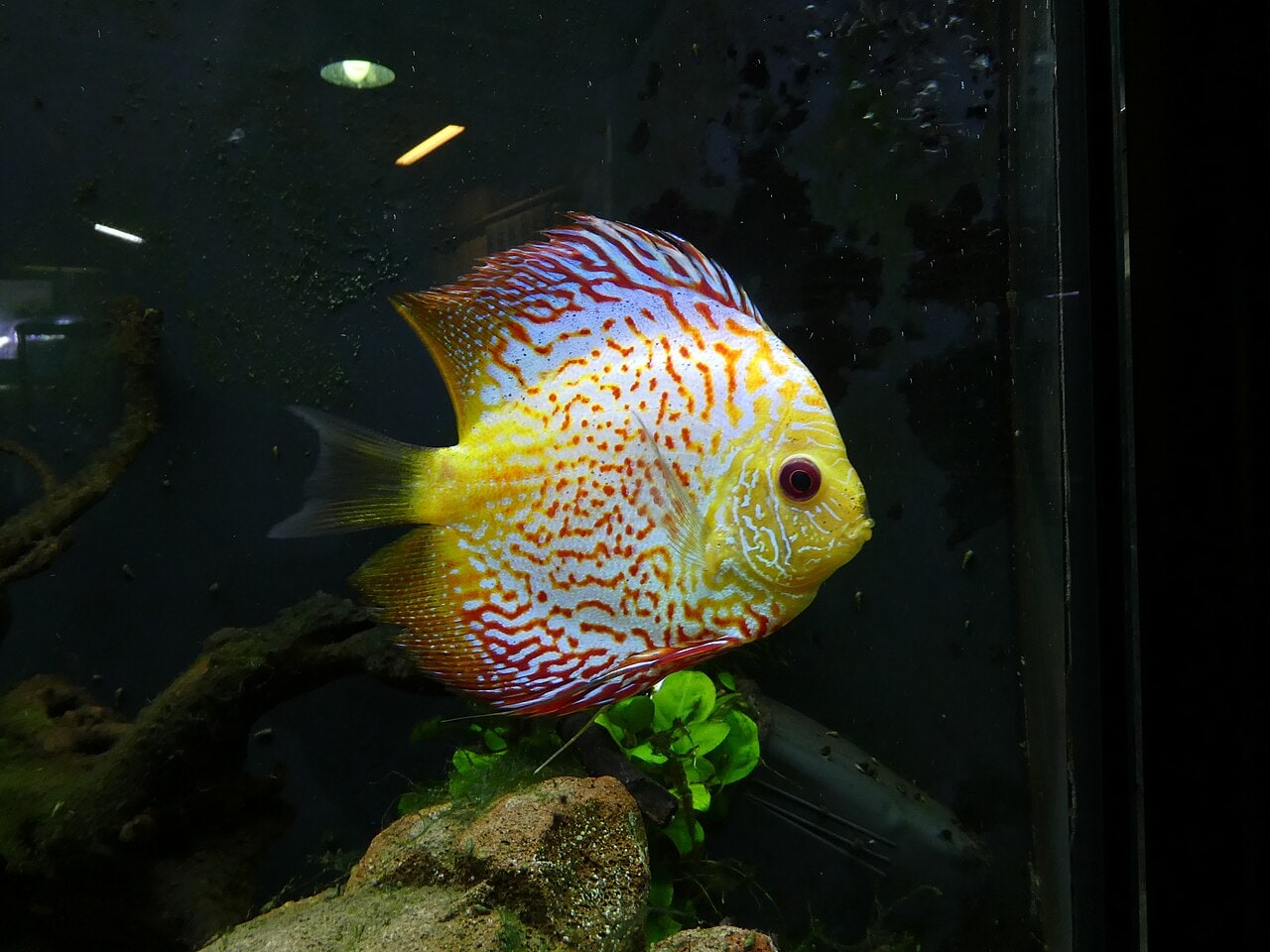
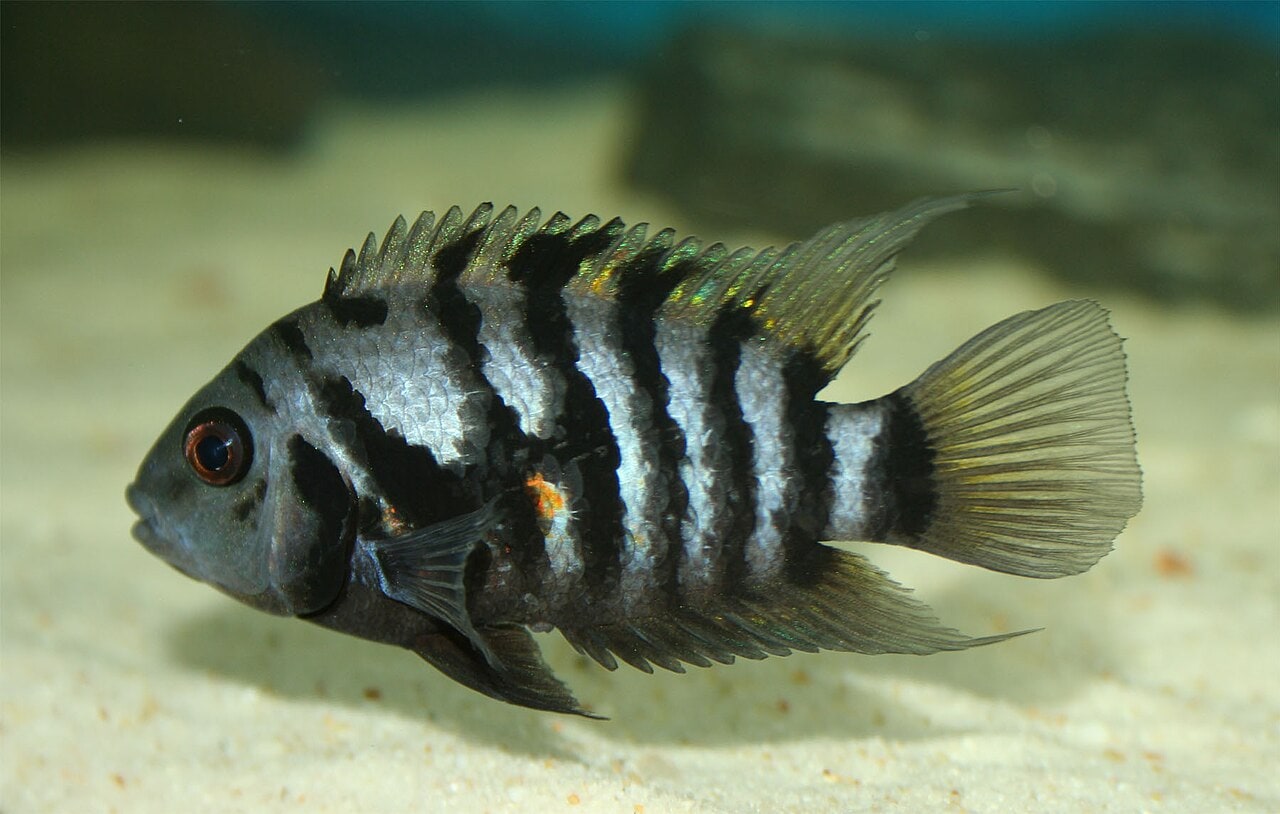
Skip as a first fish
21Advanced care, aggression, or equipment demands that punish first tanks — better paths above.
See the list
How these guides work
Each guide is a single-question filter on the fish library: which fish nip fins, which outgrow a 60L, which behave in a mixed community. Counts come from live profile fields, so lists move when a record changes. Get from all 135 fish down to a shortlist that fits; guides will not stock your tank for you.
- Beginner-friendly freshwater fish · The "beginner" label means routine: forgiving of a missed water change, tolerant of a small pH miss in week one. It does not promise the fish will fit your litres, your existing stock, or a half-sized school. Sort this list by minimum tank size first, shortlist two or three names, then open each profile and pair-check before you spend.
- Peaceful community fish · Every fish here lacks an aggressive, semi-aggressive, or predatory flag. That is one screen out of about five. Wrong volume, wrong pH band, or a half-stocked school will still make two "peaceful" species hide or stop eating. Treat this as a shortlist, then pair-check anything that will share the same glass.
- Fin-nipping fish · Nipping is mostly a group-size and layout problem, not a mystery bad fish. Six tiger barbs in a 100L with real swim length keep their attention on each other. Two of them in a 60L with a betta will shred the betta in a week. Stock the proper group of one species and skip long-finned mates: bettas, fancy guppies, angelfish, anything with veil fins.
- Aggressive & semi-aggressive fish · These species carry an aggressive or semi-aggressive flag. They need volume above the listed minimum, cover that breaks line of sight, and a stocking plan that often comes down to one centrepiece species. Add order matters: an established cichlid will defend territory against newcomers regardless of the newcomer's temperament label.
- Fish that may eat smaller tank mates · Mouth size at purchase is not mouth size at six months. These species are flagged predatory, likely to eat small fish, or both. Plan around adult gape, not the juvenile in the shop. Anything that fits in the mouth is potential food — shrimp, snails, fancy guppies bought small, and fry of anything that breeds in the tank.
- Fish that grow too big for small tanks · Species here either need a lot of water on day one, or grow into a lot of fish over a year or two. Both outrun starter kits. The minimum litre count is the floor for a stable adult life, not the smallest tank the fish can survive in. A 30 cm fish is still 30 cm in 200L if the tank is only 80 cm long.
- Schooling & group fish · Either a schooling flag is set, or the group minimum is at least four. Under-schooled fish look sick: they hide, nip, and ignore food. The same species in a proper group of eight behaves like a different animal. Buy the whole group together whenever you can — adding two more later rarely undoes stress already locked into the first six.
- Fish for smaller aquariums · Each species here has a small enough minimum volume and adult size for a nano or mid-size tank. That does not make 60L a free-for-all community. One filter, one heater, one footprint. Pick one species you want to watch, stock its proper group, and wait weeks before adding a second species.
- Often shrimp-tolerant (heuristic, conservative) · This list intersects peaceful temperament, adult size ≤8cm, and no predatory / may-eat-small / fin-nipper flags. That is not the same as shrimp-safe. Every fish here can still pick off shrimplets in a sparse layout. Mature the tank, plant heavily, add shrimp first, and give them a head start before any fish.
- Fish that are a poor first choice for beginners · Each species here carries a not-recommended-for-beginners flag, advanced care level, or aggressive temperament in a body that bites back. Most first failures are equipment and routine failures, not "bad fish". Use the alternatives list above, learn on hardier stock, and come back to these aspirational species with a second tank.
Also see beginner plants and the full fish library.