Compatibility brief
Can Angelfish live with Bristlenose Pleco?
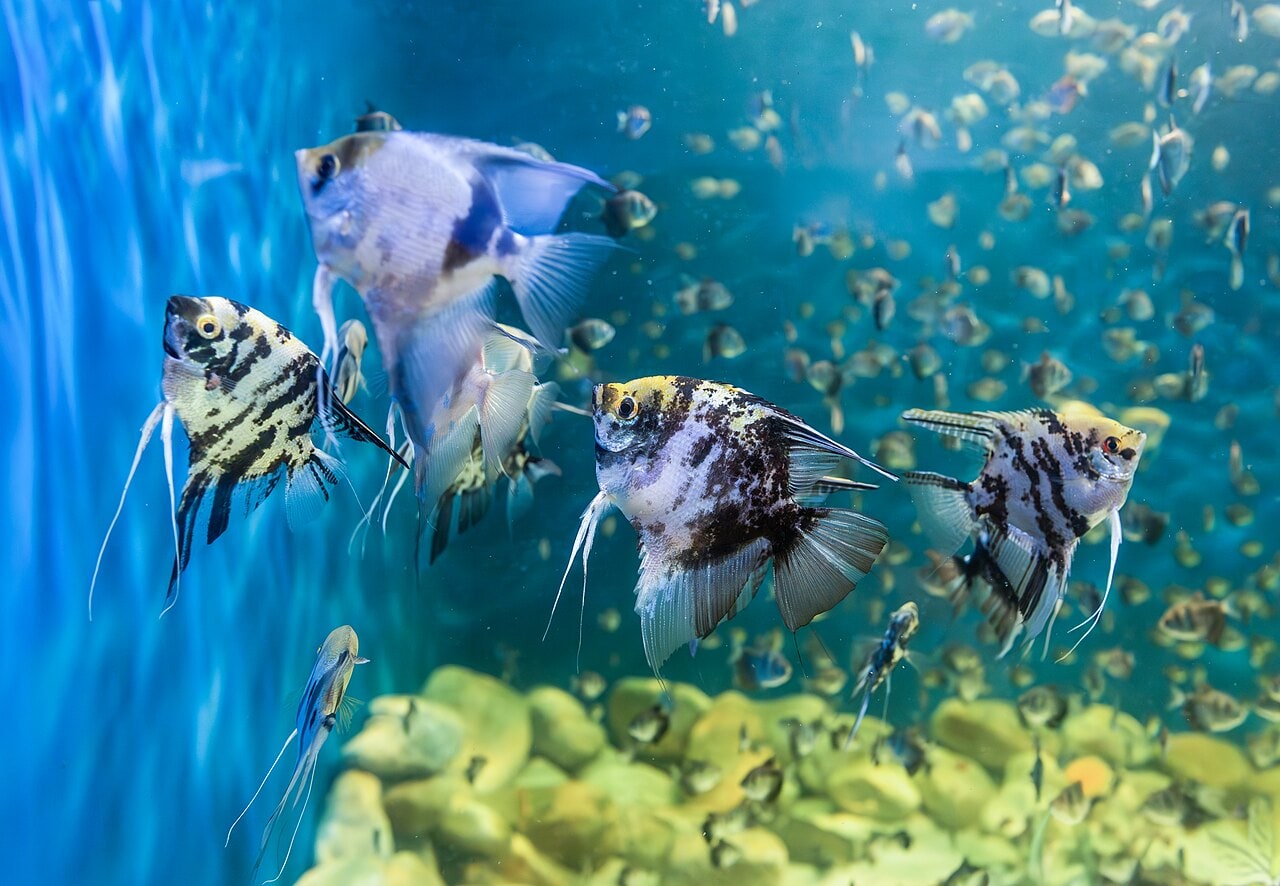
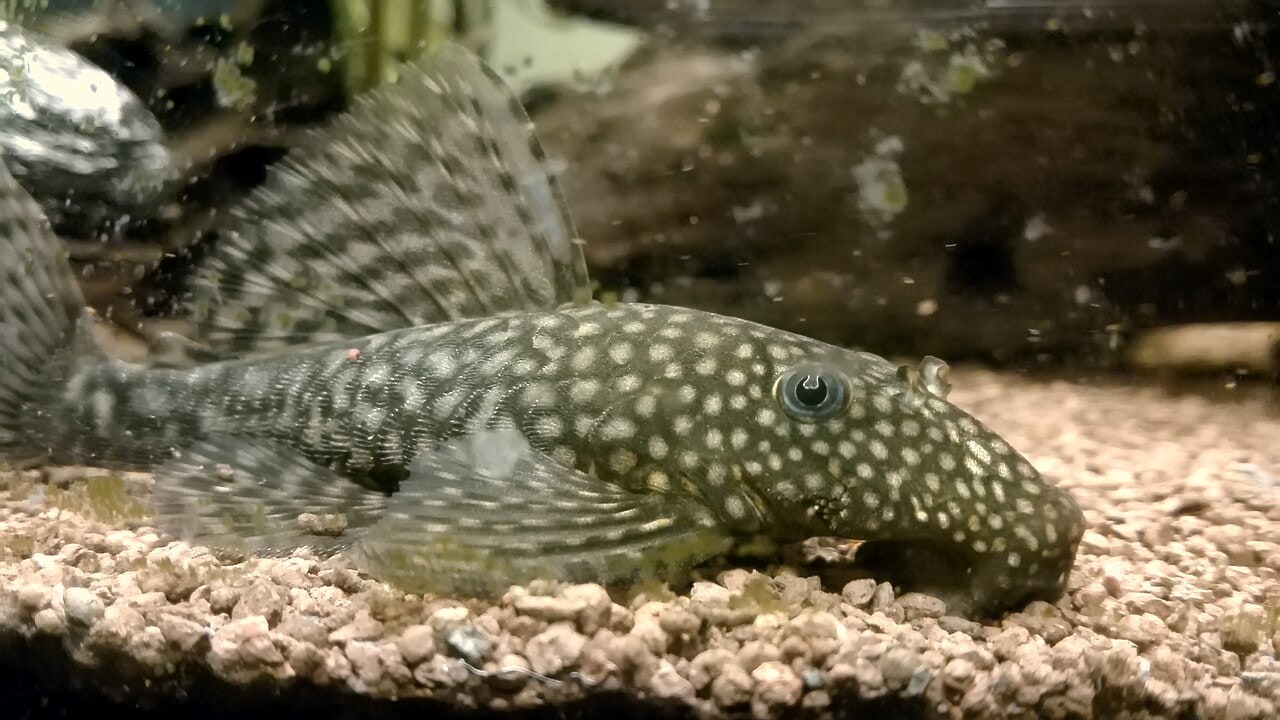
Only with the condition below.
Check total
This number is how the checks added up. It is not the chance these fish will be safe.
200L
At least 200 litres. That is the larger of the two published minimums. It is a volume, not the length of the tank.
This remains a common South American community pairing, but it is not automatic. Angels may bother a pleco at breeding time, and a bristlenose needs wood, caves, and sinking food the angels will not finish first. Water overlap is usually workable; the friction is territory and feeding on the bottom of a tall tank.
Assessment details
Caution advised
Top issueStill the usual South American pairing people actually keep. Angels midwater, bristlenose on wood below. The caution is angel territoriality in short tanks and nitrate load — give height, softwood, and real water changes, not a 60L cube.
Temperament difference
You may see chasing. Give the calmer fish plants or wood to get behind. If it hides and stops eating, separate them.
Compatible temperature range
The ranges meet from 24 to 27 °C. Set the heater there. That is not the whole range of either fish.
“Still the usual South American pairing people actually keep”
Caution advised
Next steps
- •Give the bristlenose its own cave and wood away from the angel pair’s chosen vertical slice, and feed sinking wafers after lights-out.
- •Provide plenty of hiding spots and visual breaks so Bristlenose Pleco can escape if harassed.
- Seriously Fish. Pterophyllum scalare
Care sheet for size, water, behaviour and tank mates.
- FishBase. Pterophyllum scalare
Secondary: taxonomy, distribution, and maximum length in nature; cross-check with aquarium import lines and measured tank parameters.
- Wikipedia. Pterophyllum scalare
Secondary: general species context; verify all husbandry numbers against a dedicated aquarium care sheet and your test kit, not a single table row.
- Practical Fishkeeping. Angelfish fact files
Cross-check for tank size: 120 × 40 × 50 cm for a group; adults need a tank at least 50 cm tall.
- Planet Catfish. Genus Ancistrus (bristlenose and relatives)
Supports: catfish care at genus/species level where a single binomial is unreliable.
- FishBase. Ancistrus cirrhosus (representative bristlenose)
Supports: taxonomy and wild maximum size — translate to tank stocking, not a target number.
Try this next
Check Angelfish and Bristlenose Pleco in one tank
After you add them, check that each fish still eats and that the fins are intact. This is not veterinary advice.
Profile data confidence: medium. That mark is about the two profiles, not whether to keep these fish together. Driven by the lower-confidence profile (Bristlenose Pleco): Typical care sources — trade names for this fish get mixed up, so verify the ID before you buy.