Compatibility brief
Can Cockatoo / crested Apistogramma live with Neon Tetra?
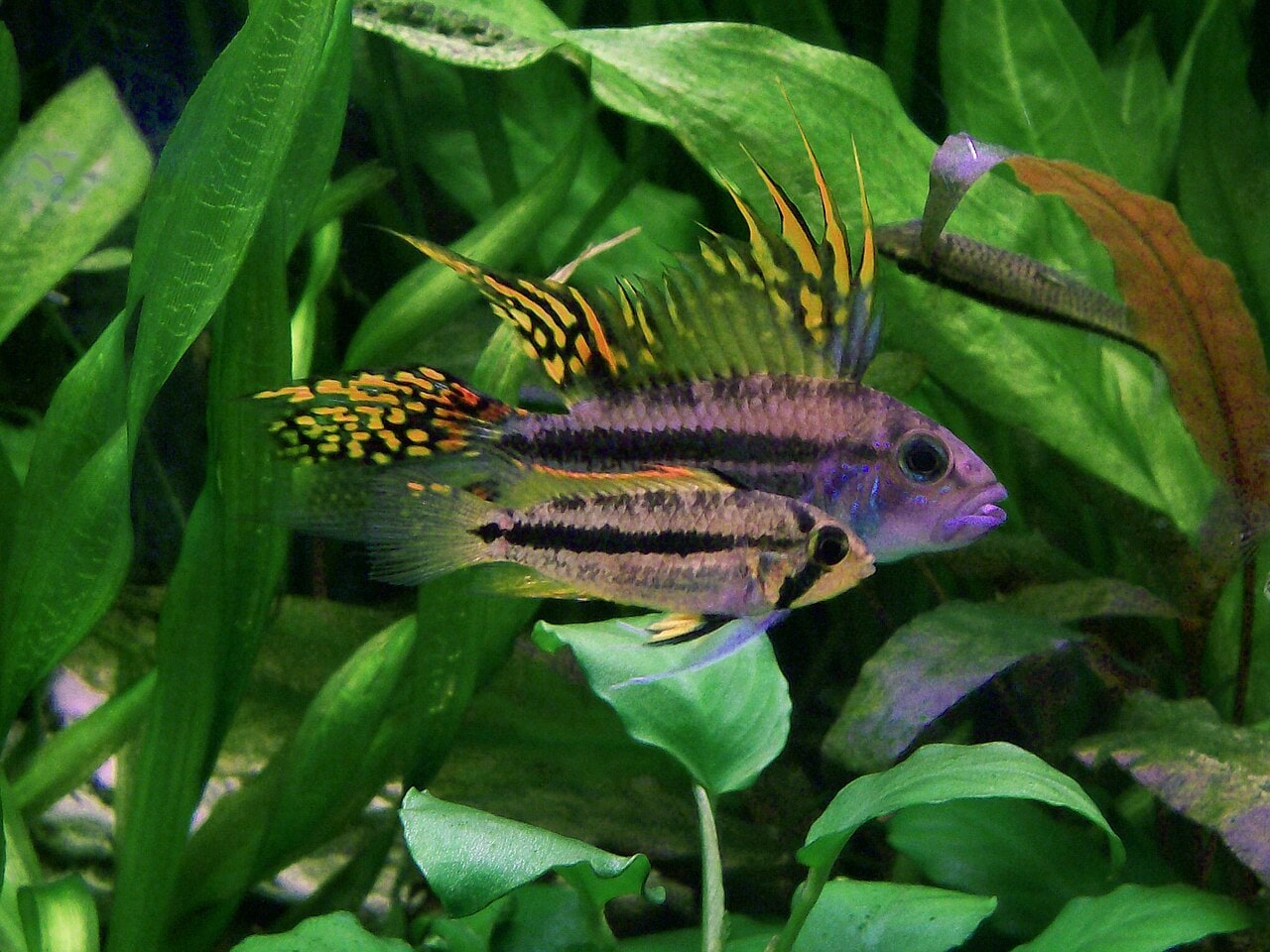
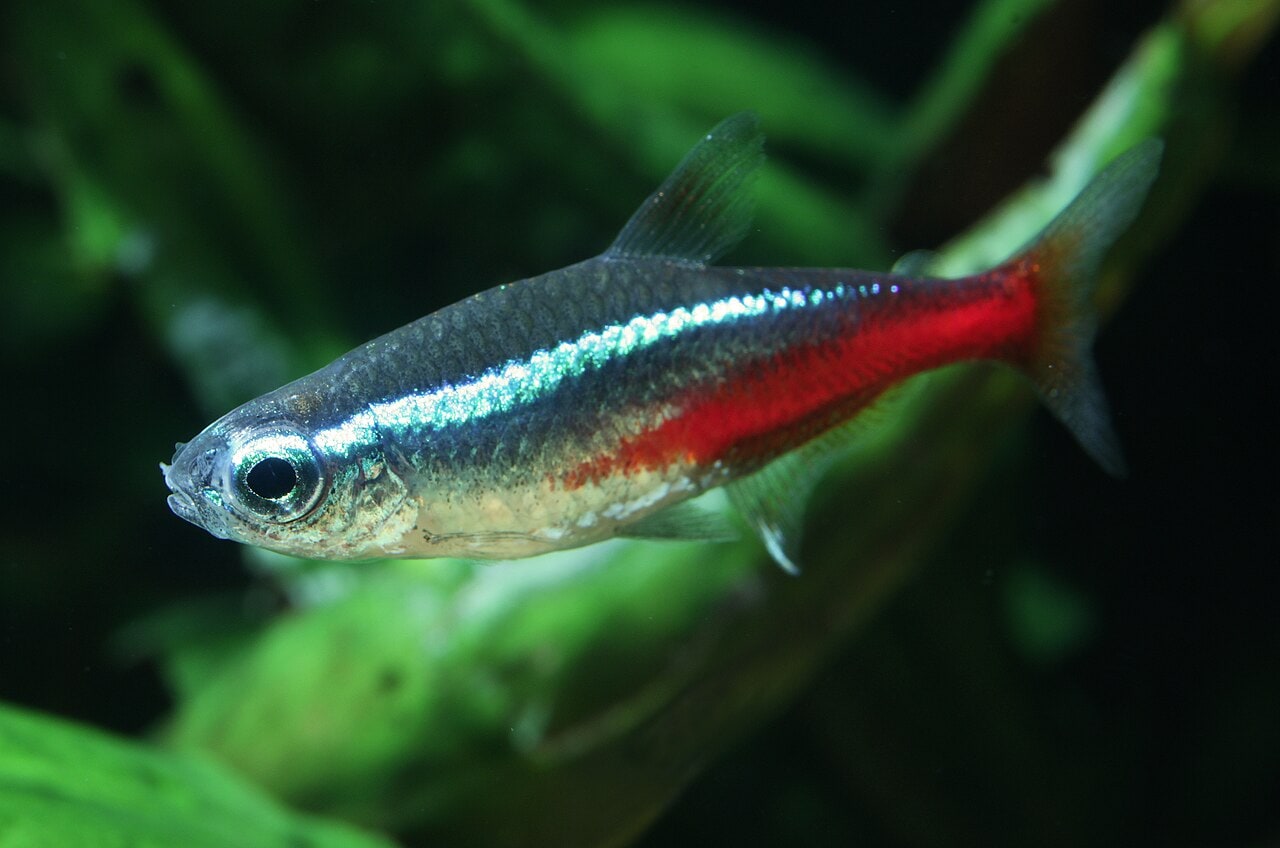
Only with the condition below.
Check total
This number is how the checks added up. It is not the chance these fish will be safe.
100L
At least 100 litres. That is the larger of the two published minimums. It is a volume, not the length of the tank.
Cockatoo / crested Apistogramma chases other fish when it defends a spot. Neon Tetra does not usually chase other species. Give the calmer fish plants or wood to get behind. If it hides and stops eating, separate them.
Assessment details
Temperament difference
Top issueYou may see chasing. Give the calmer fish plants or wood to get behind. If it hides and stops eating, separate them.
Narrow temperature overlap
Cockatoo / crested Apistogramma and Neon Tetra have only a narrow shared temperature range. Set the heater inside the overlap and check it with a thermometer.
“Temperament difference”
Temperament difference
Next steps
- •Provide plenty of hiding spots and visual breaks so Neon Tetra can escape if harassed.
- •Neon Tetra should be kept in a group of at least 6 for best health and behaviour.
- Seriously Fish. Apistogramma cacatuoides
Care sheet for size, water, behaviour and tank mates.
- FishBase. Apistogramma cacatuoides
Secondary: taxonomy, distribution, and maximum length in nature; cross-check with aquarium import lines and measured tank parameters.
- Wikipedia. Apistogramma cacatuoides
Secondary: general species context; verify all husbandry numbers against a dedicated aquarium care sheet and your test kit, not a single table row.
- Seriously Fish. Paracheirodon innesi
Supports the 60 × 30 cm base and a volume of about 54 litres. Re-read 2026-10-22.
- FishBase. Paracheirodon innesi
Supports: taxonomy and wild maximum size — translate to tank stocking, not a target number.
- Wikipedia. Paracheirodon innesi
Supports: general species background and common-name orientation only.
Try this next
Check Cockatoo / crested Apistogramma and Neon Tetra in one tank
After you add them, check that each fish still eats and that the fins are intact. This is not veterinary advice.
Profile data confidence: high. That mark is about the two profiles, not whether to keep these fish together. Checked against several solid care sources that mostly agree.