Compatibility brief
Can Jack Dempsey live with Otocinclus?
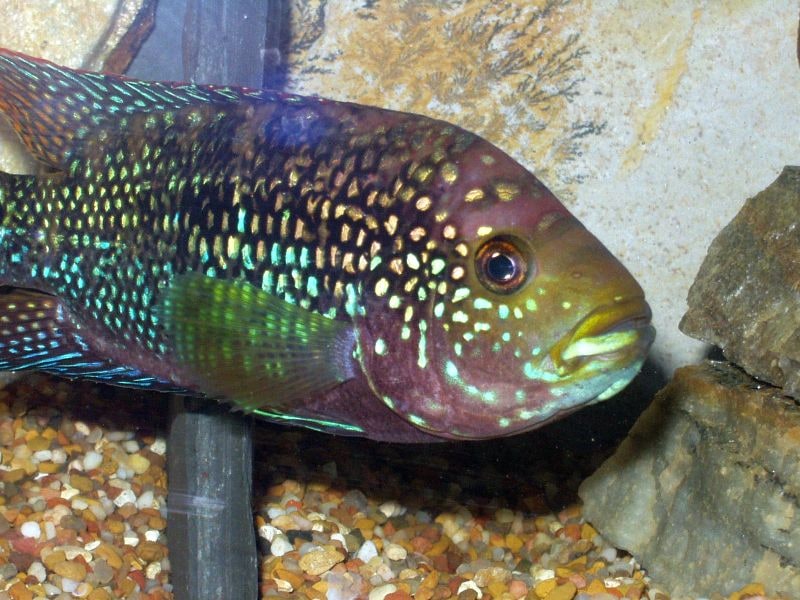
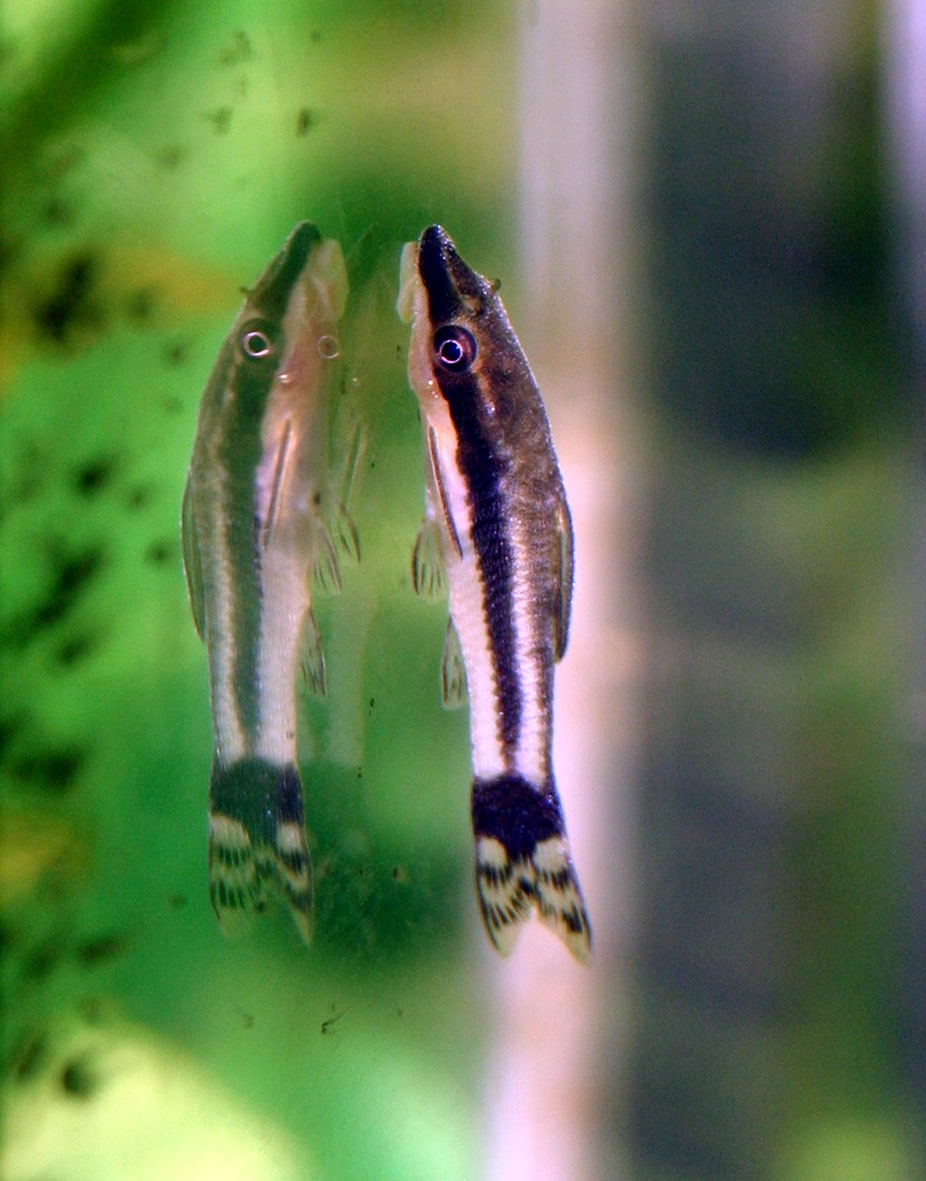
No. Keep them in separate tanks.
Check total
This number is how the checks added up. It is not the chance these fish will be safe.
200L
200 litres is Jack Dempsey's published minimum, not a tank for keeping them together.
Where the bands overlap is a fact about each profile. It is not a heater or pH setting for one tank.
Jack Dempsey (about 25cm as an adult) can realistically eat Otocinclus (about 5cm) once grown. Plan around adult sizes, not shop sizes.
Jack Dempsey attacks other fish. Otocinclus does not. You may see chasing, torn fins, or a fish that hides and stops eating. Keep them in separate tanks.
Assessment details
Aggression mismatch
Top issueThe aggressive fish will likely bully or harm the peaceful one.
Jack Dempsey may eat Otocinclus
Jack Dempsey (25cm) is predatory and Otocinclus (5cm) is small enough to be eaten. This pairing is unsafe.
Temperature ranges meet
FactThe ranges meet from 22 to 27 °C. That is where the two profiles overlap. It is not a heater setting for one tank.
“The aggressive fish will likely bully or harm the peaceful one”
Aggression mismatch
Next steps
- •Keep Jack Dempsey and Otocinclus in separate tanks: Jack Dempsey may eat Otocinclus. A bigger tank does not stop that.
Try instead
- →Build a species-only tank for the larger fish, or restock with fish too large to be eaten at adult sizes.
- Seriously Fish. Rocio octofasciata
Care sheet for size, water, behaviour and tank mates.
- FishBase. Rocio octofasciata
Secondary: taxonomy, distribution, and maximum length in nature; cross-check with aquarium import lines and measured tank parameters.
- Wikipedia. Rocio octofasciata
Secondary: general species context; verify all husbandry numbers against a dedicated aquarium care sheet and your test kit, not a single table row.
- Seriously Fish. Otocinclus macrospilus (Otocinclus ‘affinis’ / trade oto stand-in)
Primary stand-in: SF profile for O. macrospilus. Shop 'O. affinis'/'otocinclus' labels are often misidentified. Verify the fish against a good key, not a single import sticker.
- FishBase. Otocinclus affinis
Secondary: taxonomy, distribution, and maximum length in nature; cross-check with aquarium import lines and measured tank parameters.
- Wikipedia. Otocinclus affinis
Secondary: general species context; verify all husbandry numbers against a dedicated aquarium care sheet and your test kit, not a single table row.
- FishBase. Otocinclus vittatus
Taxonomy, distribution, and typical max length in natural/wild contexts (cross-check to aquarium import lines).
- Wikipedia. Otocinclus
Encyclopaedia overview; use specialist aquarium sources for your stock's real temperature/pH/footprint needs.
Try this next
Keep them in separate tanks
Do not add them to the same tank. This is not veterinary advice.
Profile data confidence: high. That mark is about the two profiles, not whether to keep these fish together. Checked against several solid care sources that mostly agree. At least one species here has common trade-name ambiguity.