Other findings
- Betta and Cockatoo / crested Apistogramma share only pH 6.5–7.0, so large water changes can move the pH outside it.
- Cockatoo / crested Apistogramma and Betta: fin-nipping stress is likely.
Species pairing: needs care (warning)
- Betta and Cockatoo / crested Apistogramma: Fin nipping risk. Cockatoo / crested Apistogramma is a known fin nipper and Betta has long, flowing fins. Cockatoo / crested Apistogramma will likely harass Betta.
Betta with flashy or long-finned tank mates (warning)
- Betta with Cockatoo / crested Apistogramma — fin flare and chasing are common; have a backup tank if it escalates.
Other notes
- Keep the pH between 6.5 and 7.0, and test it before and after water changes.
- Shared temperature
- 24–30°C
- Shared pH
- 6.5–7.0
- Stocking estimate
- Well below Fishori's estimate. Fishori's stocking estimate is well below its reference for this volume.Load index 16 versus reference 100 for 100 L. The index multiplies adult length, quantity, a bioload weight and a territory factor. It is not a filter measurement.This is a Fishori estimate, not a welfare standard. For most small and medium fish it allows more animals than the RSPCA rule of thumb of 1.5–2 L of water per centimetre of fish, measured without the tail.
- Planning estimate
- 82 out of 100. A Fishori planning score, not a chance of success.
- Swim zones
- Profile swim zones only: top 0.5, middle 1.0, bottom 0.5. Each quantity is split across the zones on that profile. These are not observed positions.
- Pairs checked
- 1. RISKY: 0. Caution: 1.
This check uses each profile’s minimum tank size, group size, water overlap and pair rules. The score is an estimate. It does not measure your filter or how the animals will behave.
How the check worksLimitations
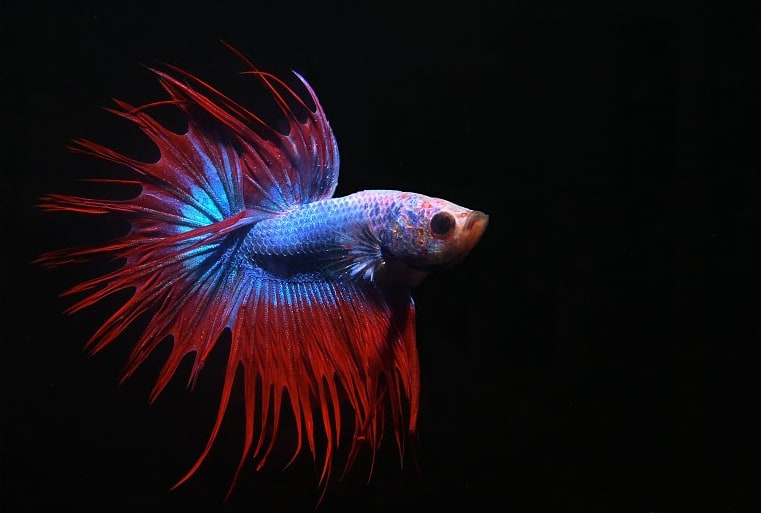 Betta
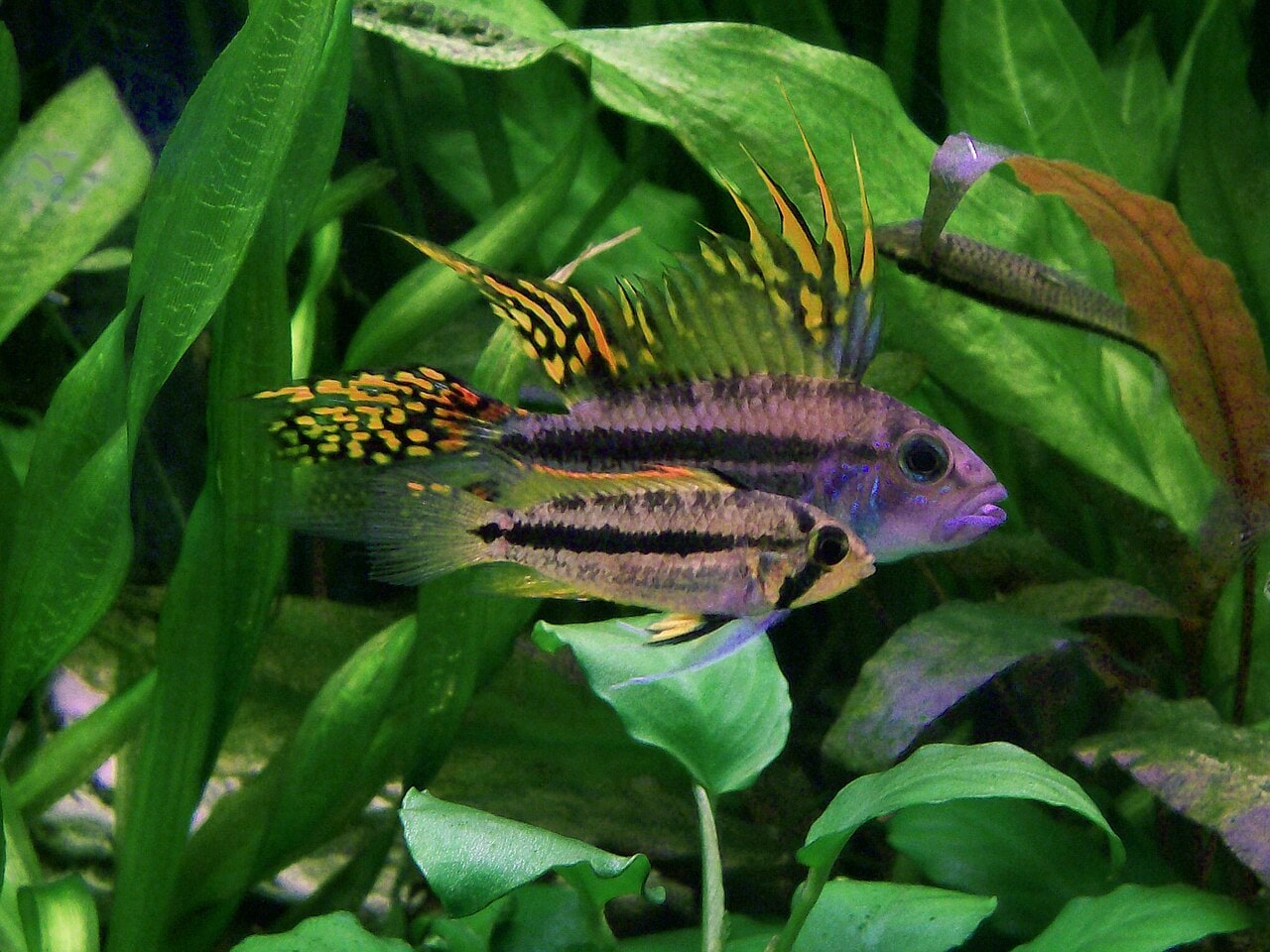 Cockatoo / crested Apistogramma

