Stocking plan
Plan a freshwater tank stocking
Set volume, add species with the numbers you actually plan to keep, and get a conservative verdict for the whole stocking — bioload, group size, zone crowding, and multi-species conflicts, not a single pair in isolation. Use the editor first; the planning notes below explain why a pairwise match still needs a tank-level check.
Shared plan · CAUTION
Marginal overall fit — conservative rules do not call this a clear win; simplify the list or increase margin (space, filtration, observation time). Review supporting points next, then re-run the check.
Primary issue: Marginal overall fit — conservative rules do not call this a clear win; simplify the list or increase margin (space, filtration, observation time). Temperament spread or predators in the mix — feeding order, territory, and observation matter more than in an all-peaceful list. 11 fish across 2 species in 40L. Shared temperature 24–28°C. Stocking: balanced (load index 23 vs ref 40).
Your stock
Marginal overall fit — conservative rules do not call this a clear win; simplify the list or increase margin (space, filtration, observation time). Review supporting points next, then re-run the check.
One or more species profiles are only partially verified or need verification — treat numbers as planning guidance, not guarantees.
Pair compatibility for any two species · Fish library
Positives
- WaterTemperature ranges overlap comfortably (24–28°C).
- WaterpH requirements overlap reasonably across the group.
- StockingEvery listed species has a published minimum tank size at or below 40L.
Water overlap
What every fish can share at the same time
Shared temperature: 24–28°C
Shared pH: 6.5–7.5
Shared temperature range for all species: 24–28°C.
Shared pH window: 6.5–7.5.
Stocking pressure
balanced
Load index 23 vs conservative reference 40 for 40L (adult cm × quantity × bioload weight × territory factor).
Swim-zone distribution
Fish-weighted zone use — top 0.5, middle 5.5, bottom 5.0 (relative biomass per level).
Most biomass leans toward one swim level — shy fish may feel exposed or outcompeted at feeding time.
Compatibility summary
Species pairing: needs care
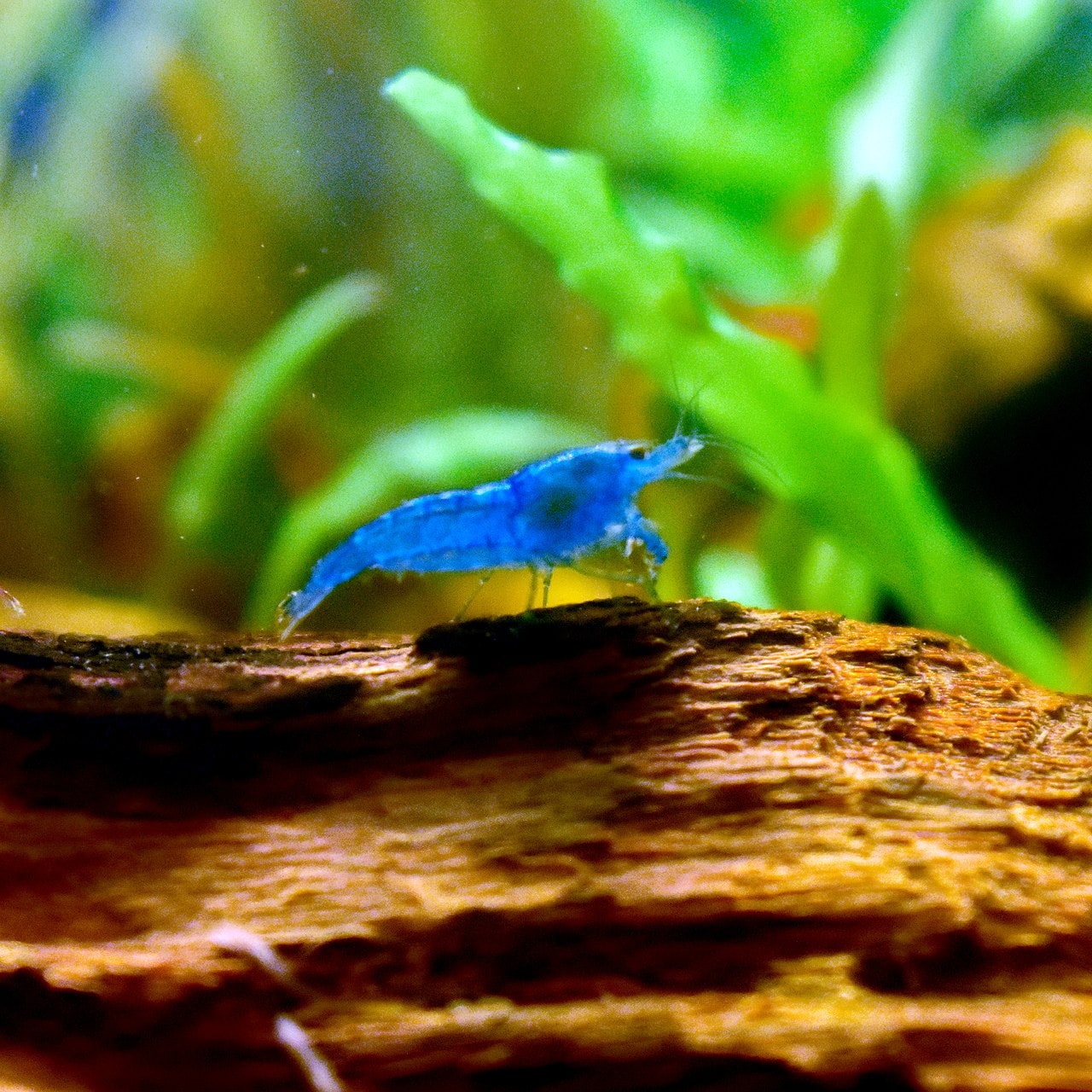
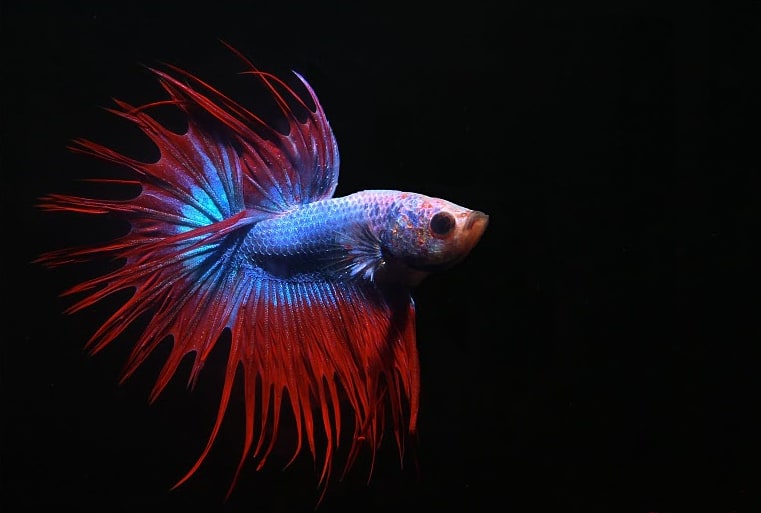
warning· other- Betta + Blue Dream Shrimp: Betta + Blue Dream Shrimp: Betta will eat shrimplets. Adult Blue Dream Shrimp usually coexist with Betta in planted tanks, but offspring are eaten — expect the colony to hold steady or shrink, not grow.
Temperament gap
warning· temperament- Betta (semi-aggressive) and Blue Dream Shrimp (peaceful) — needs space, line-of-sight breaks, and observation.
Pairs checked: 1 · RISKY pair flags: 0 · CAUTION: 1
Fix this setup
Grouped by scenario — work through each block in order
Layout & swim zones
- 1.Add structure (caves, tall plants) and consider species that use under-represented zones.
Beginner difficulty
easy
Behaviour & stress
With Blue Dream Shrimp: watch for fin damage or chasing; keep a backup plan if aggression appears.
Fish behaviour varies. Fishori gives conservative planning guidance based on adult size, temperament, tank size and common aquarium care sources.