Stocking plan
Plan a freshwater tank stocking
Set volume, add species with the numbers you actually plan to keep, and get a conservative verdict for the whole stocking — bioload, group size, zone crowding, and multi-species conflicts, not a single pair in isolation. Use the editor first; the planning notes below explain why a pairwise match still needs a tank-level check.
Shared plan · RISKY
Stocking is near the practical ceiling — little headroom for growth, mistakes, or messy feeding days. Review supporting points next, then re-run the check.
Primary issue: Stocking is near the practical ceiling — little headroom for growth, mistakes, or messy feeding days. Temperament spread or predators in the mix — feeding order, territory, and observation matter more than in an all-peaceful list. 14 fish across 3 species in 40L. Shared temperature 24–28°C. Stocking: near-limit (load index 38 vs ref 40).
Your stock
Stocking is near the practical ceiling — little headroom for growth, mistakes, or messy feeding days. Review supporting points next, then re-run the check.
One or more species profiles are only partially verified or need verification — treat numbers as planning guidance, not guarantees. At least one species has ID or trade-name ambiguity on file — plan for a typical trade example, not every shop label. Several caution-level pair flags mean real outcomes depend on tank shape, cover, and individual fish. Elevated risk verdict — we bias toward safety; your reading of specialist sources still matters.
Pair compatibility for any two species · Fish library
Warnings
- Stocking is approaching the practical limit for 40L (load index 38 / ref 40).
Positives
- WaterTemperature ranges overlap comfortably (24–28°C).
- WaterpH requirements overlap reasonably across the group.
Water overlap
What every fish can share at the same time
Shared temperature: 24–28°C
Shared pH: 6.5–7.5
Shared temperature range for all species: 24–28°C.
Shared pH window: 6.5–7.5.
Stocking pressure
near limit
Load index 38 vs conservative reference 40 for 40L (adult cm × quantity × bioload weight × territory factor).
Swim-zone distribution
Fish-weighted zone use — top 0.5, middle 7.0, bottom 6.5 (relative biomass per level).
Most biomass leans toward one swim level — shy fish may feel exposed or outcompeted at feeding time.
Compatibility summary
Species pairing: needs care
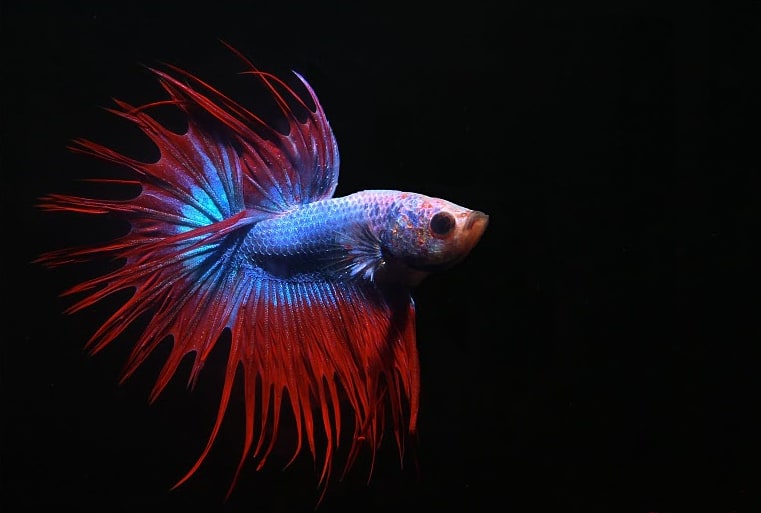
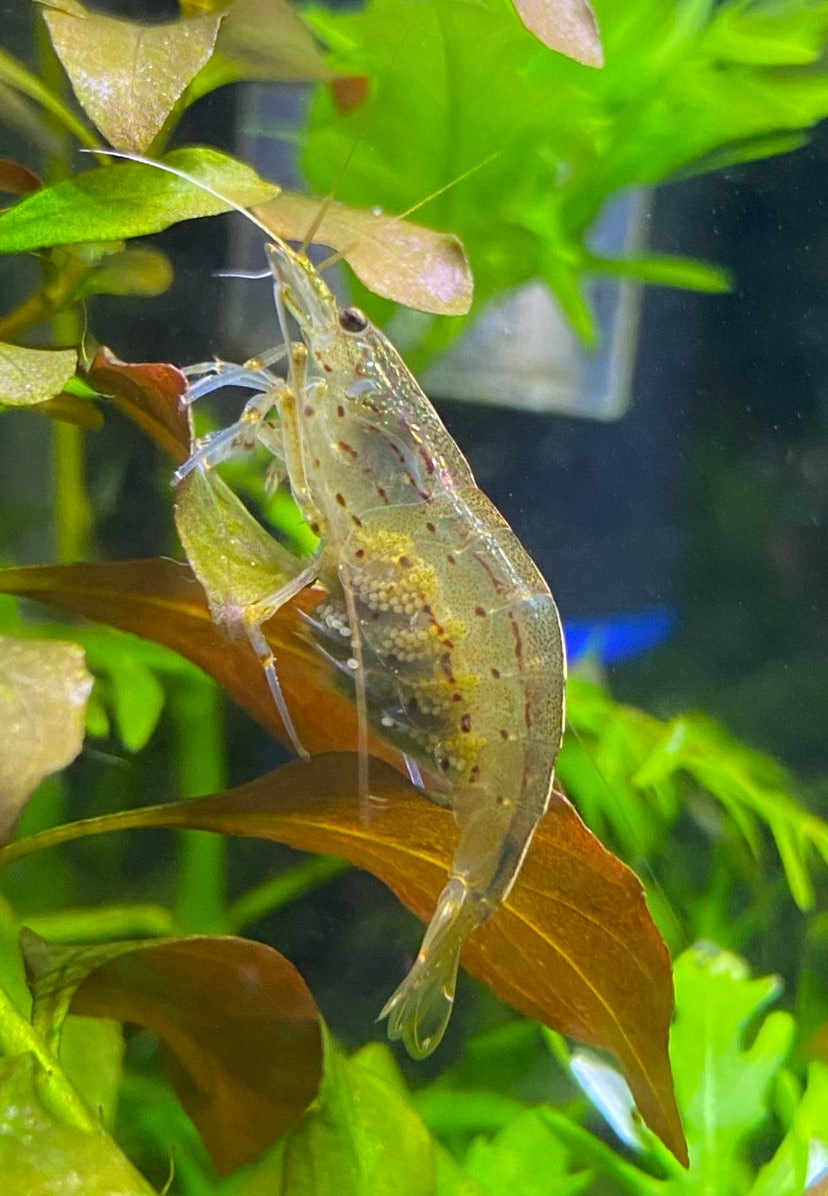
warning· other- Amano Shrimp + Betta: Amano Shrimp + Betta: Caution advised. Bettas tolerate amanos better than cherries because the larger shrimp do not look like food. Some bettas still hunt them. Plant heavily, add the shrimp first, and expect at least one loss before the betta settles. Outcomes still depend on your tank shape, maintenance routine, and individual fish.
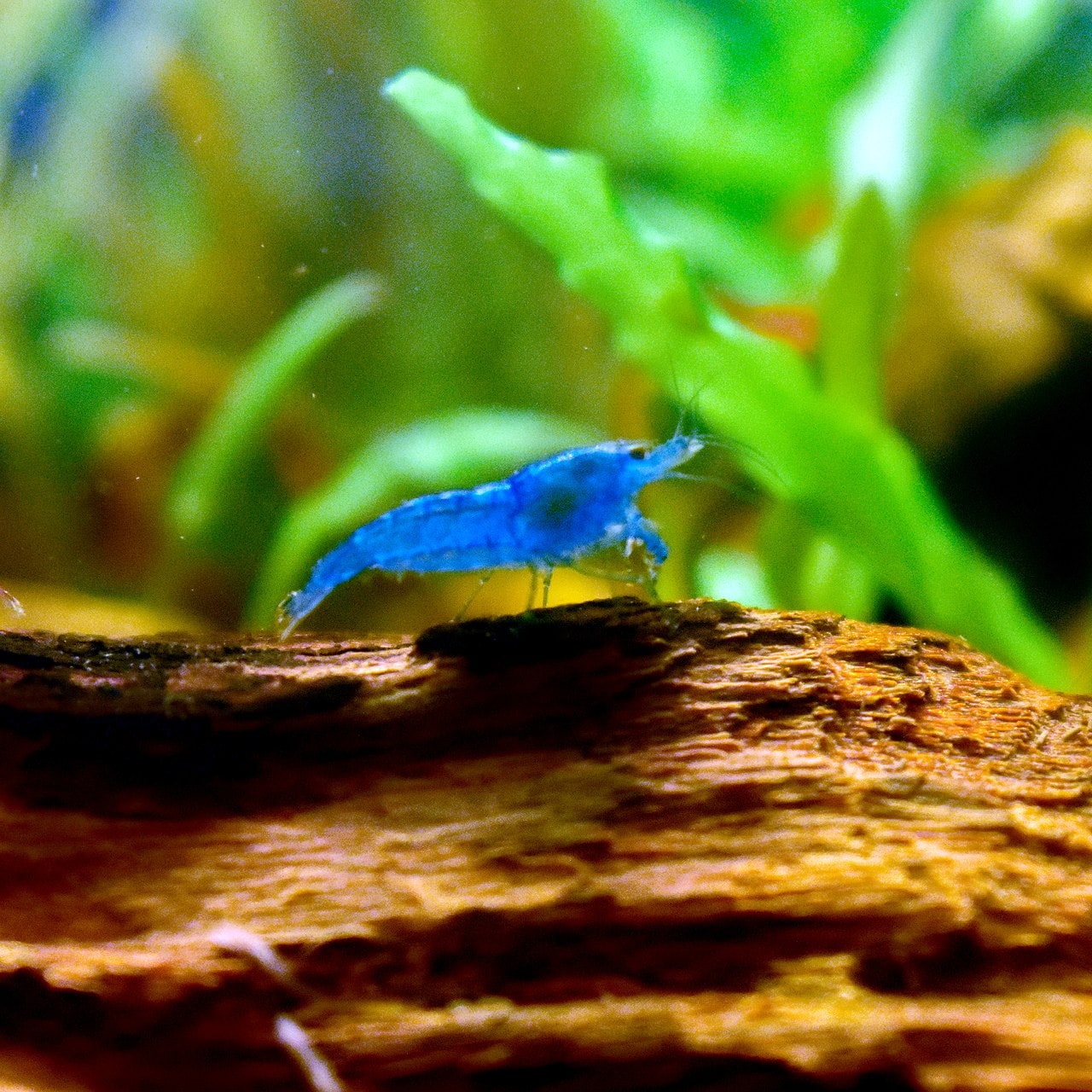
- Amano Shrimp + Blue Dream Shrimp: Amano Shrimp and Blue Dream Shrimp: ID ambiguity and thin sources on at least one side, so this is a cautious read, not a green light. Plan for adult sizes, a stable shared water window, and individual behaviour; verify against a second reference you trust.
- Betta + Blue Dream Shrimp: Betta + Blue Dream Shrimp: Betta will eat shrimplets. Adult Blue Dream Shrimp usually coexist with Betta in planted tanks, but offspring are eaten — expect the colony to hold steady or shrink, not grow.
Temperament gap
warning· temperament- Amano Shrimp (peaceful) and Betta (semi-aggressive) — needs space, line-of-sight breaks, and observation.
- Betta (semi-aggressive) and Blue Dream Shrimp (peaceful) — needs space, line-of-sight breaks, and observation.
Pairs checked: 3 · RISKY pair flags: 0 · CAUTION: 3
Fix this setup
Grouped by scenario — work through each block in order
Stocking pressure & filtration
- 1.Avoid adding more large or messy fish; keep a strict maintenance schedule.
Layout & swim zones
- 1.Add structure (caves, tall plants) and consider species that use under-represented zones.
Suggested swaps
- Single-biome community: e.g. soft-water South Americans together (tetras + corydoras + small gourami) — run the pair tool for every add-on.
- Species or centrepiece tank: one main species (or one compatible pair group) in a right-sized aquarium with dither fish from the same water profile — not random continent mixing.
Beginner difficulty
moderate
- Several caution flags — needs experience reading fish behaviour.
- Stocking is heavy for the volume — needs reliable filtration and a steady water-change routine.
Behaviour & stress
With Amano Shrimp: watch for fin damage or chasing; keep a backup plan if aggression appears.
With Blue Dream Shrimp: watch for fin damage or chasing; keep a backup plan if aggression appears.
Fish behaviour varies. Fishori gives conservative planning guidance based on adult size, temperament, tank size and common aquarium care sources.