Aggressive & semi-aggressive fish
Need space, sight-line breaks, and usually one centrepiece — not a mixed "community kit".
These species carry an aggressive or semi-aggressive flag. They need volume above the listed minimum, cover that breaks line of sight, and a stocking plan that often comes down to one centrepiece species. Add order matters: an established cichlid will defend territory against newcomers regardless of the newcomer's temperament label.
32 species are rated aggressive or semi-aggressive.
Keeper decision notes
These species need volume above the listed minimum, real sight-line breaks, and almost always one centrepiece with careful peripherals. Add order matters as much as litres: established residents defend territory against newcomers. Rearranging décor and quarantining new fish is routine, not an emergency response.
Every row is a real profile. The list moves when a record changes. Shortlist names, then verify litres, water, and mates on each profile before you buy.
Best choices here
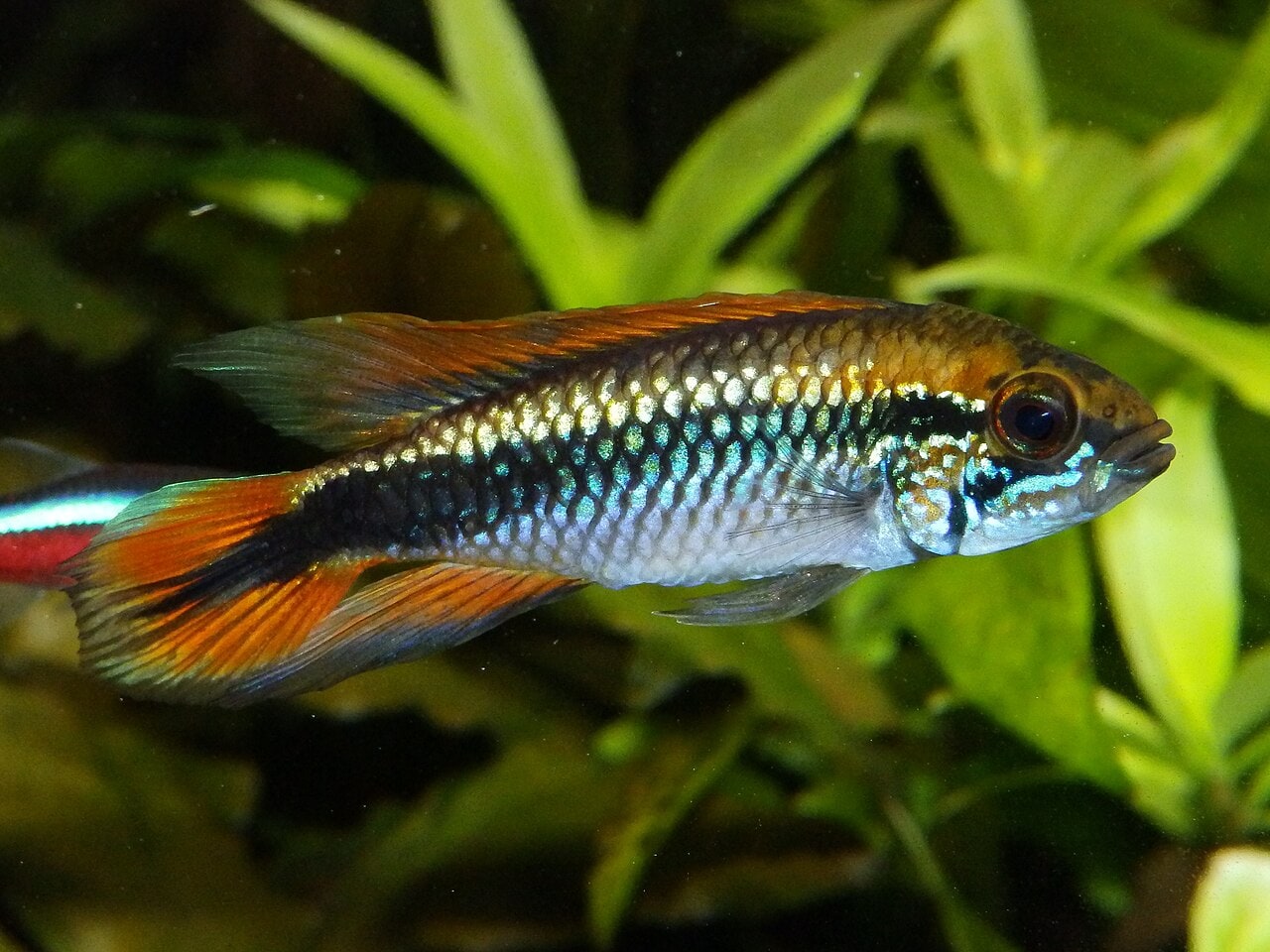 Agassiz’s dwarf cichlid
semi-aggressive · intermediate · min 80L
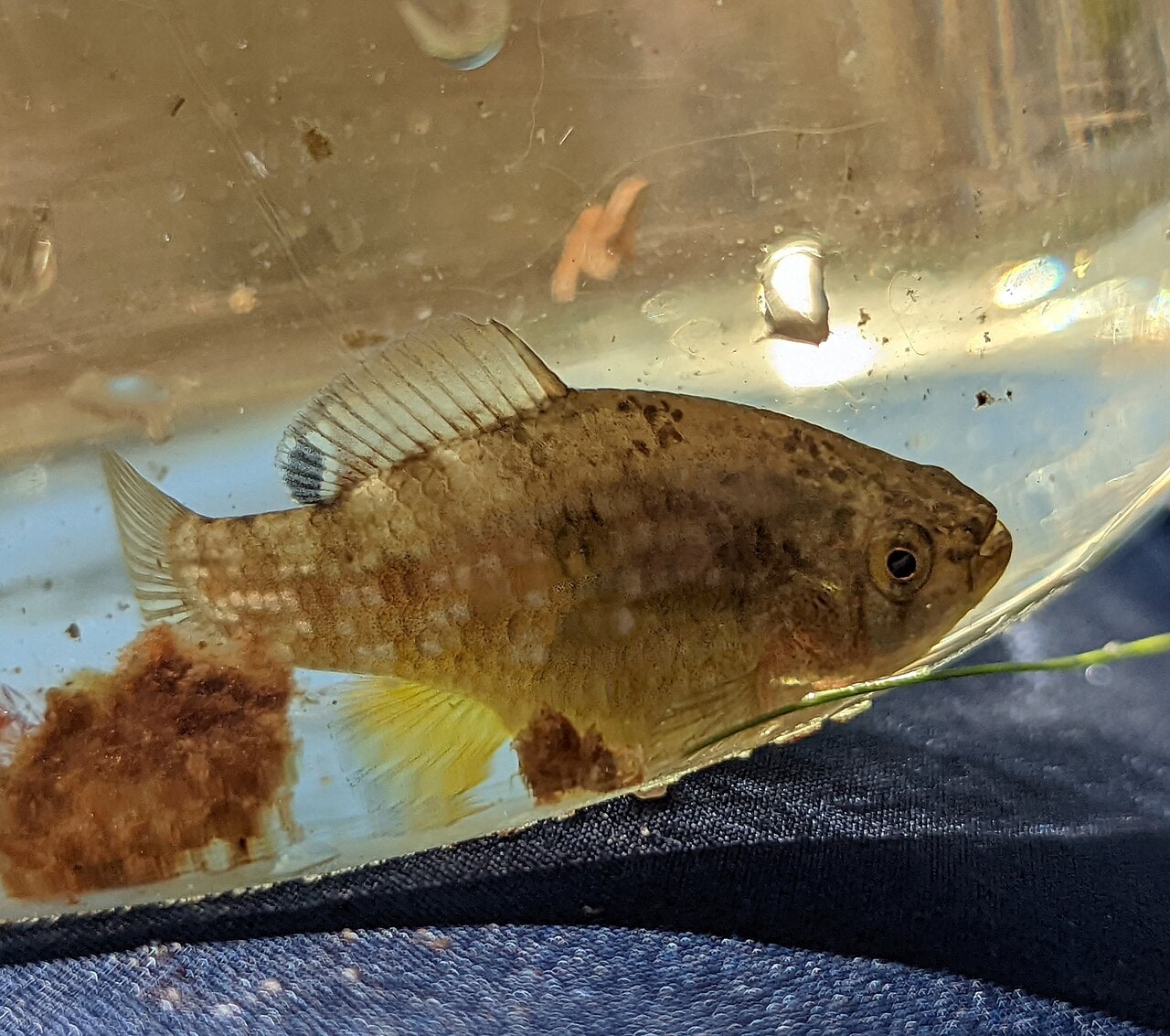 American Flagfish
semi-aggressive · intermediate · min 60L
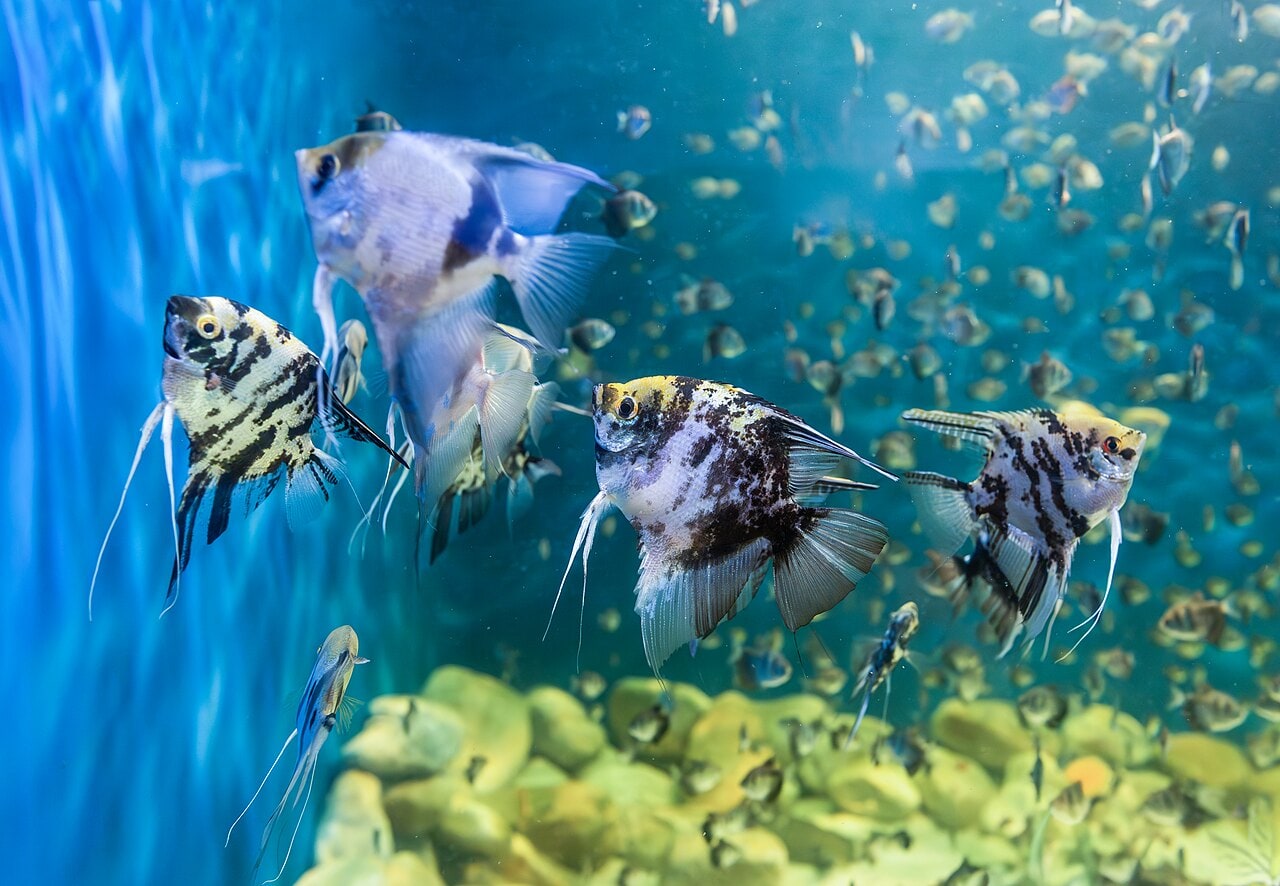 Angelfish
semi-aggressive · intermediate · min 150L
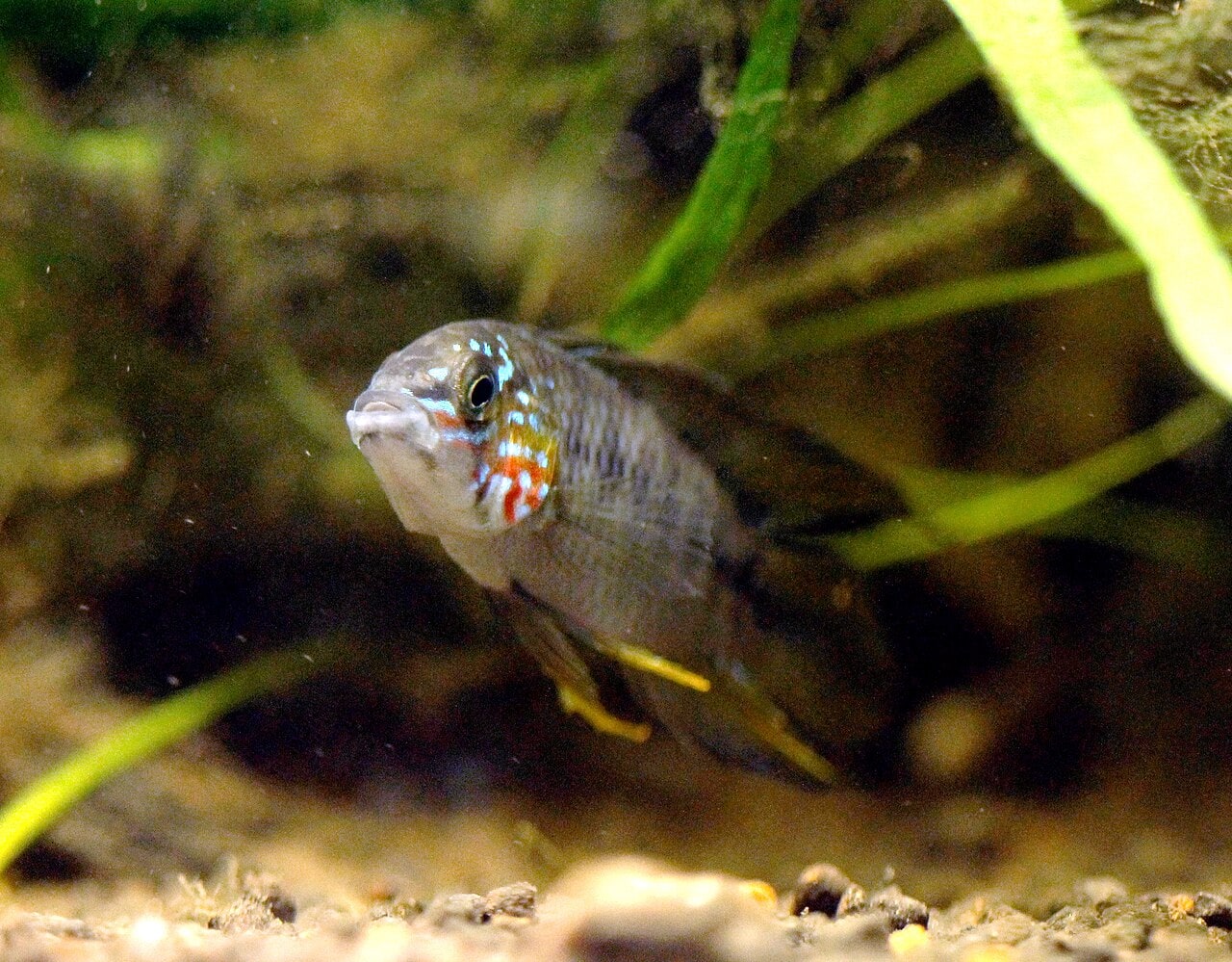 Apistogramma Borellii
semi-aggressive · intermediate · min 80L
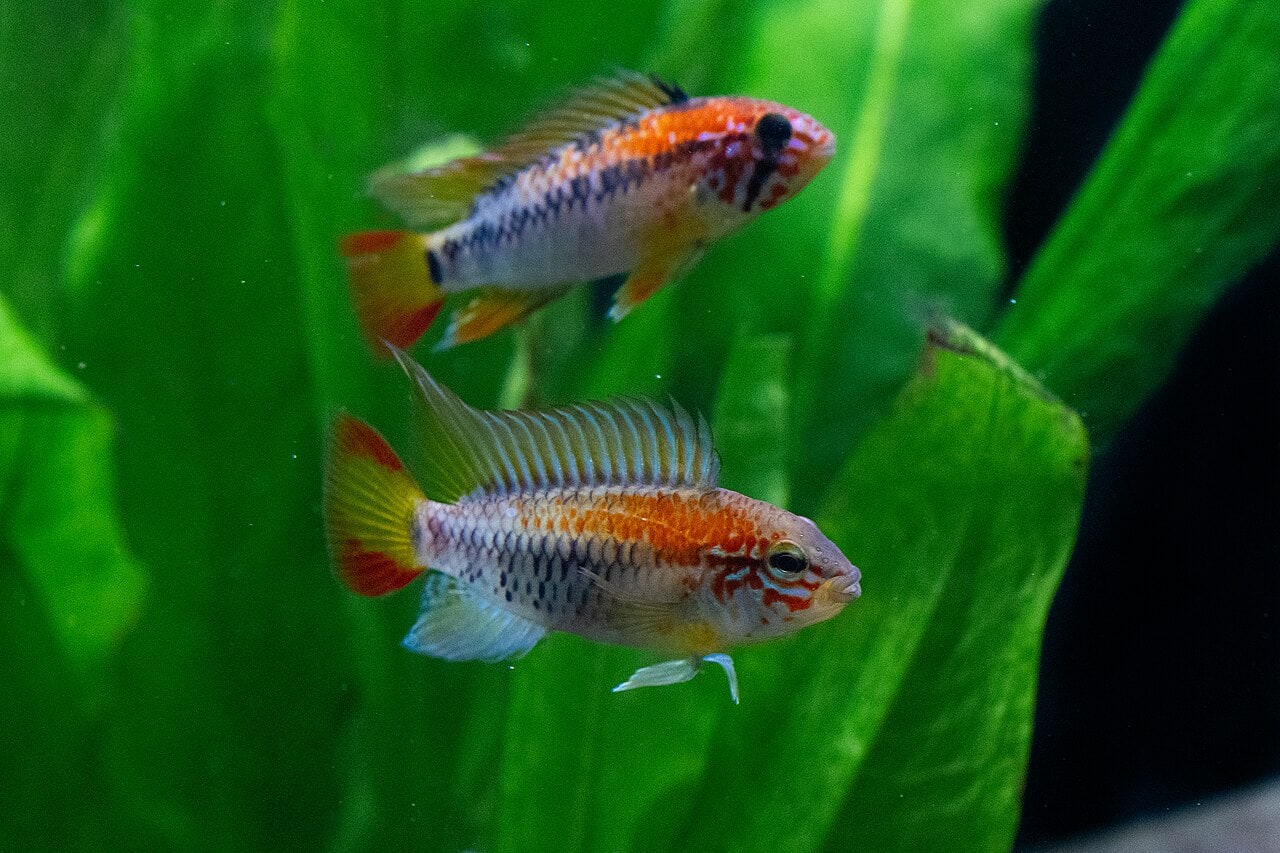 Apistogramma Macmasteri
semi-aggressive · intermediate · min 100L
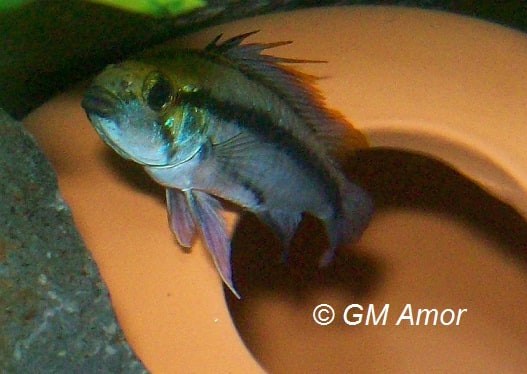 Apistogramma Trifasciata
semi-aggressive · intermediate · min 80L
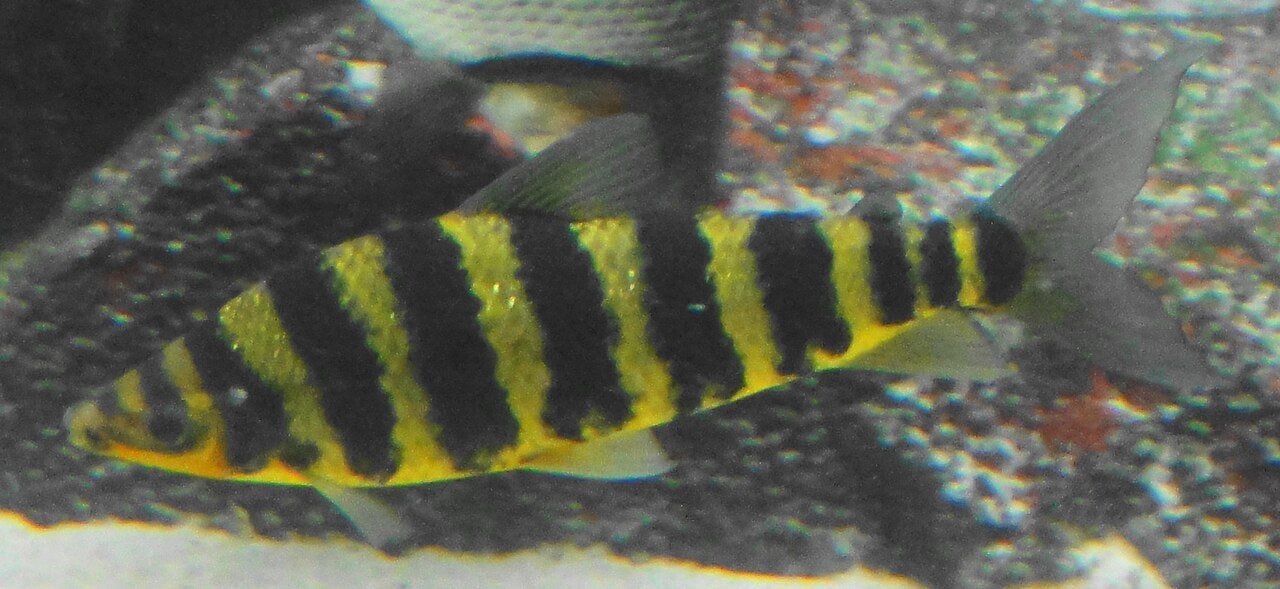 Banded leporinus
semi-aggressive · intermediate · min 300L
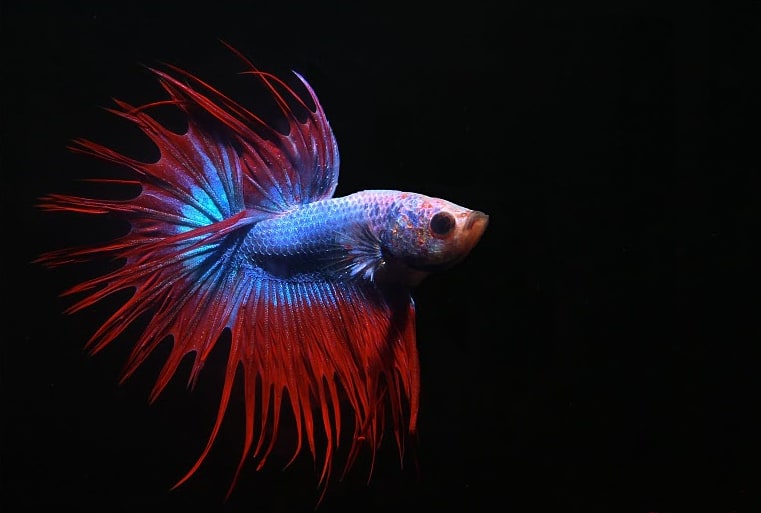 Betta
Bettasemi-aggressive · beginner · min 20L
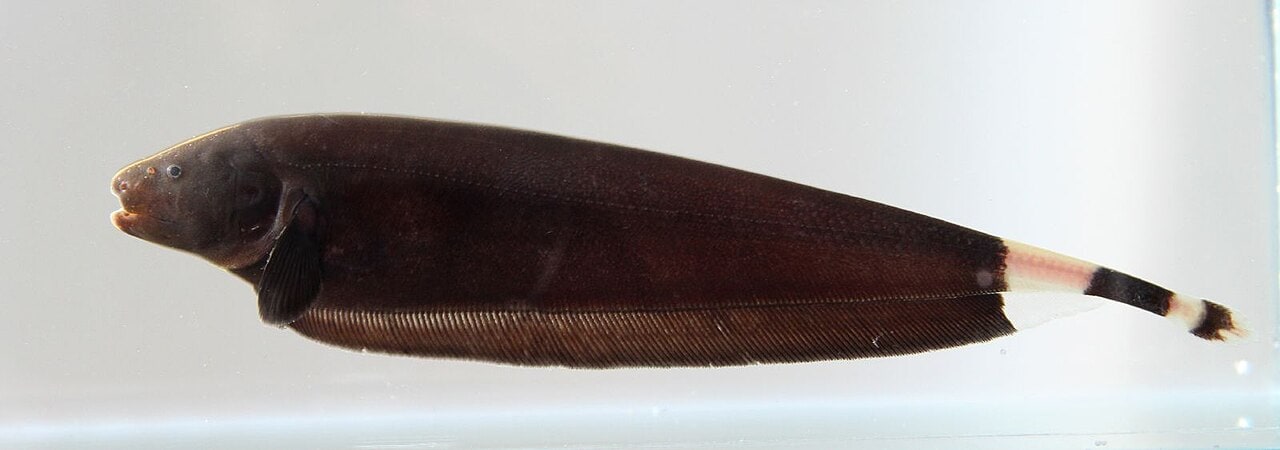 Black ghost knifefish
semi-aggressive · advanced · min 500L
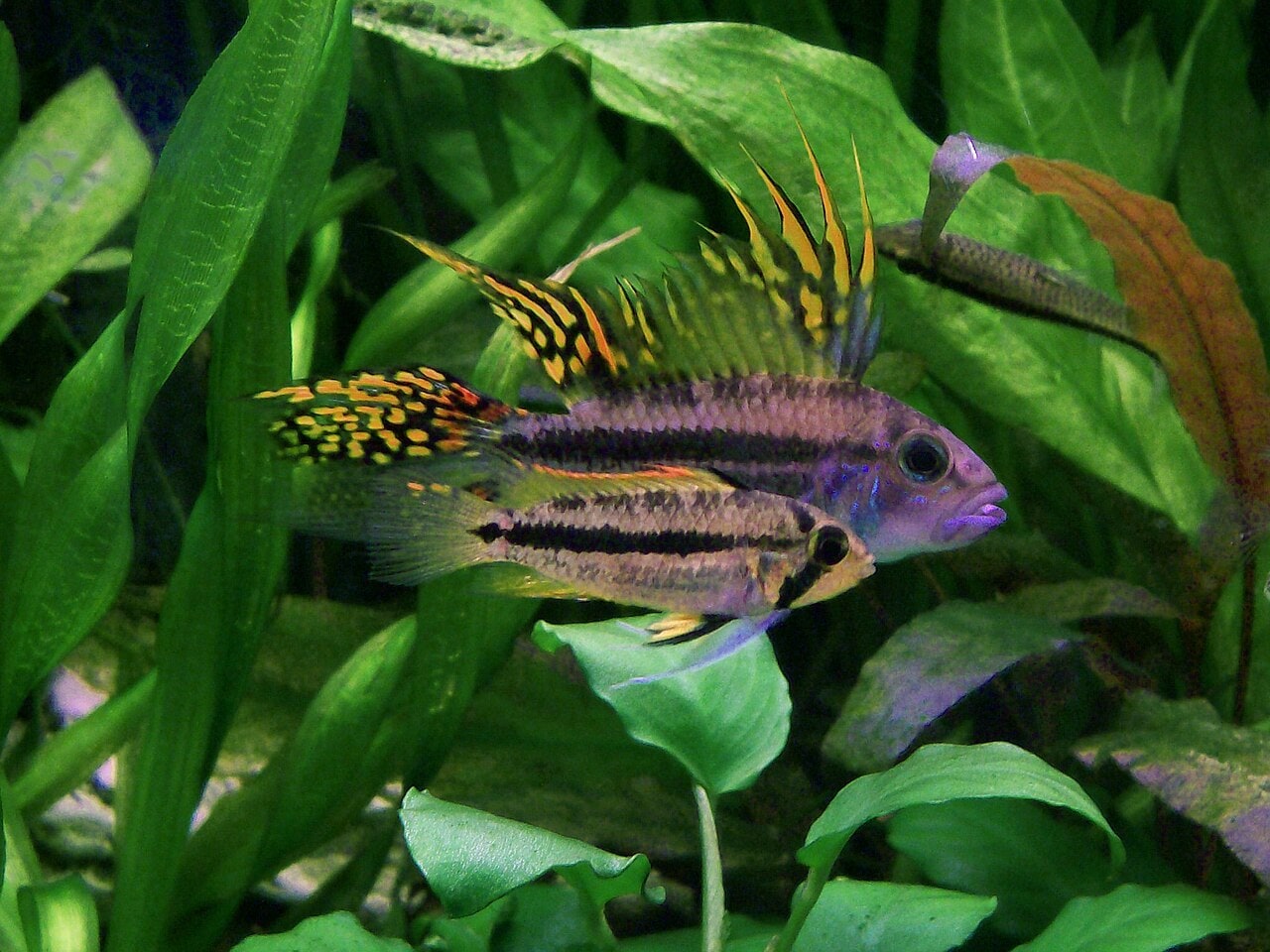 Cockatoo / crested Apistogramma
semi-aggressive · intermediate · min 100L
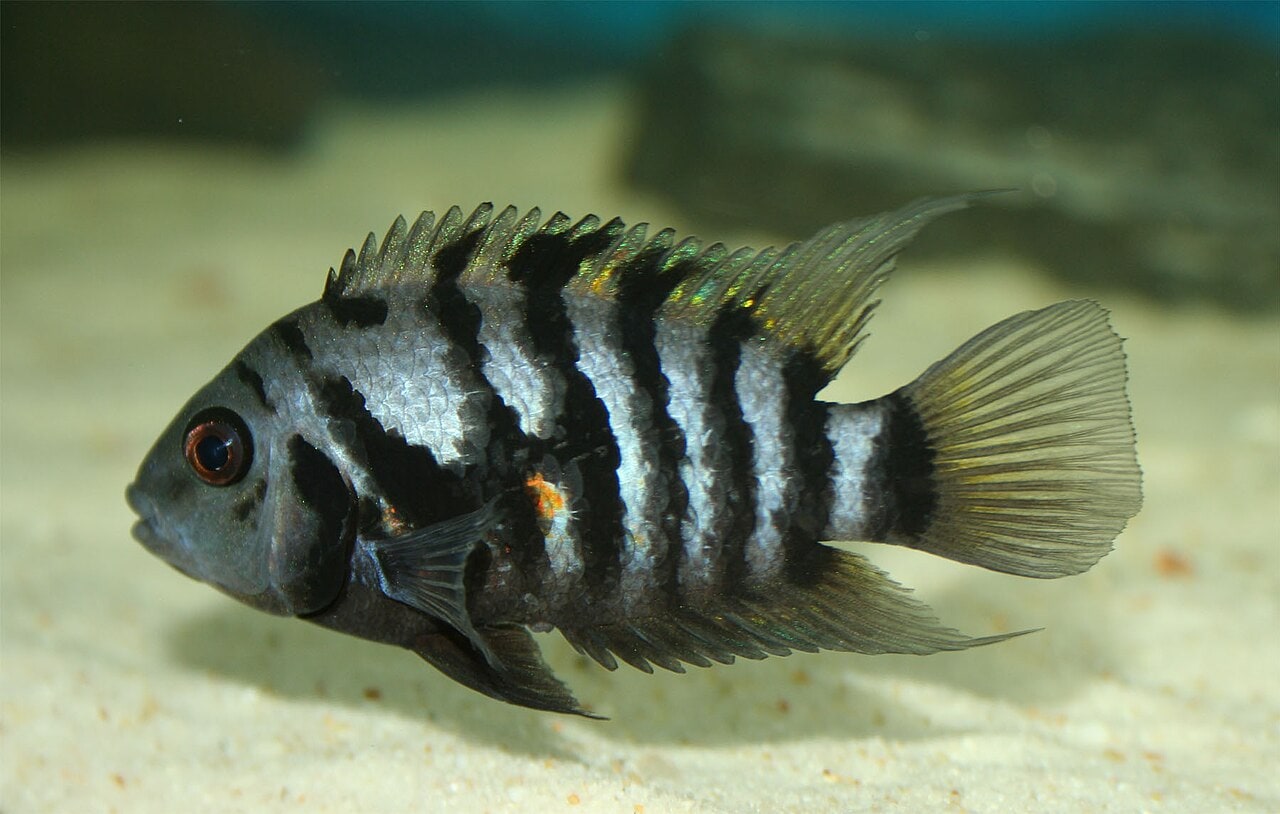 Convict cichlid
semi-aggressive · beginner · min 200L
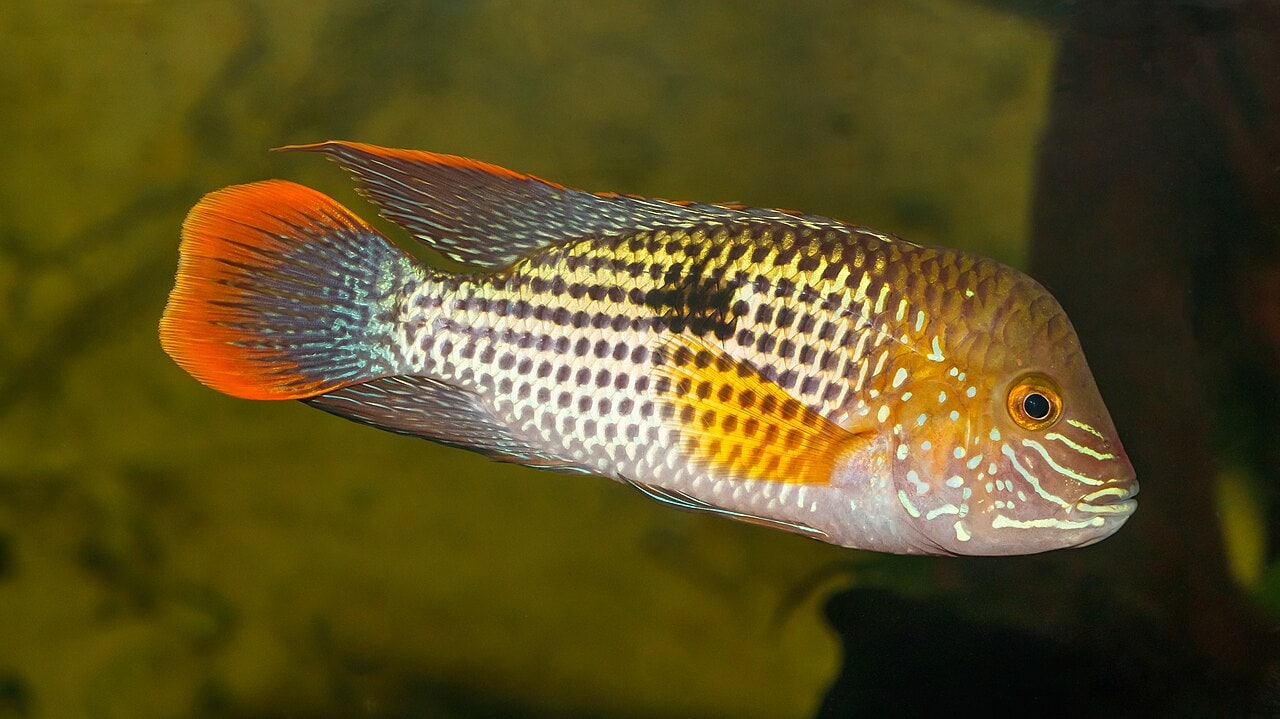
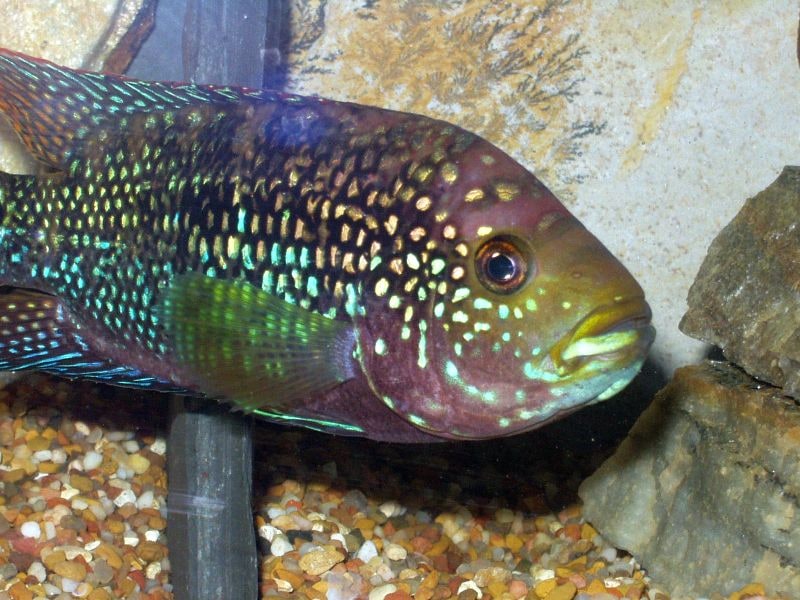
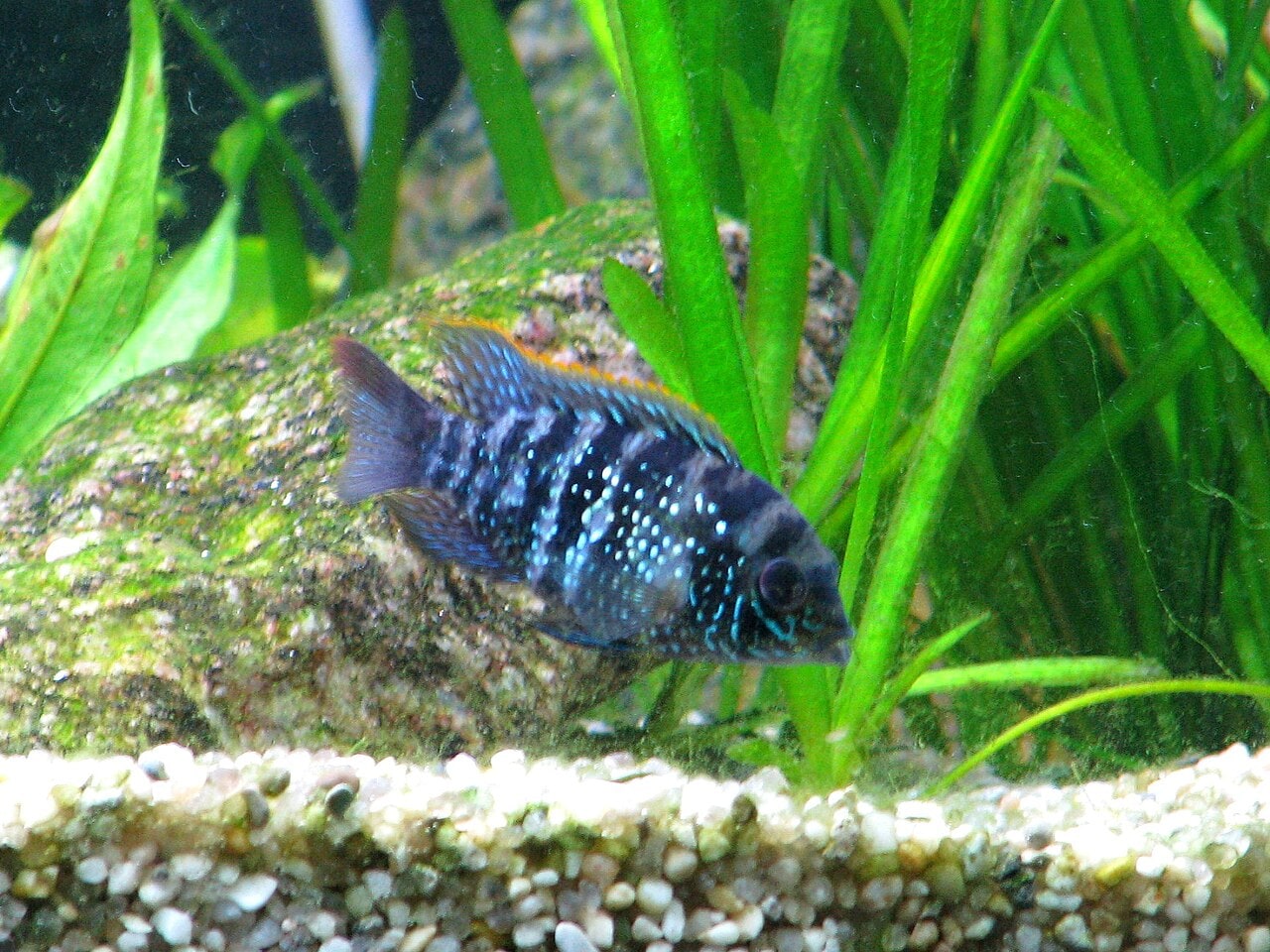 Electric Blue Acara
semi-aggressive · intermediate · min 150L
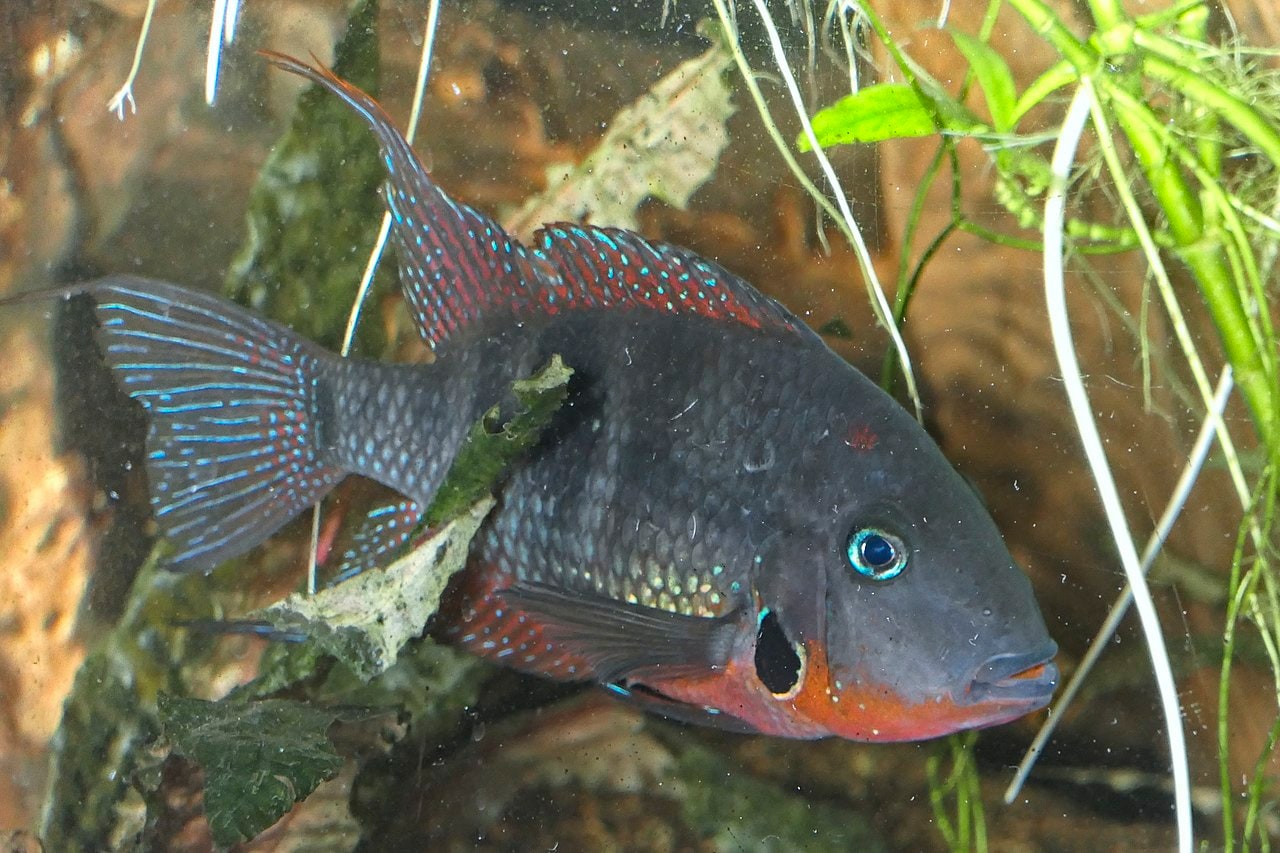 Firemouth Cichlid
semi-aggressive · intermediate · min 200L
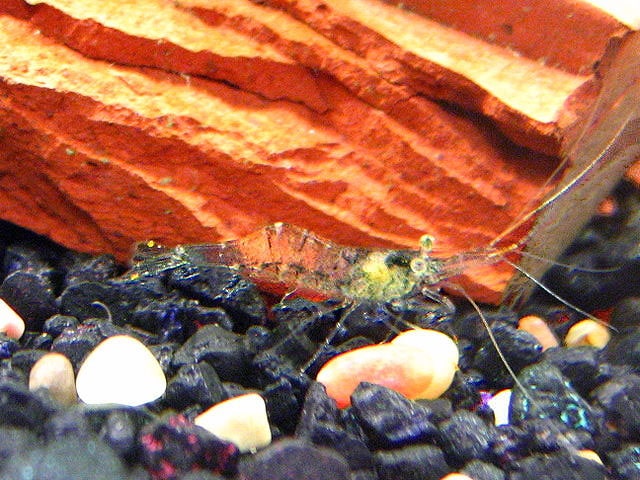 Ghost Shrimp
semi-aggressive · beginner · min 40L
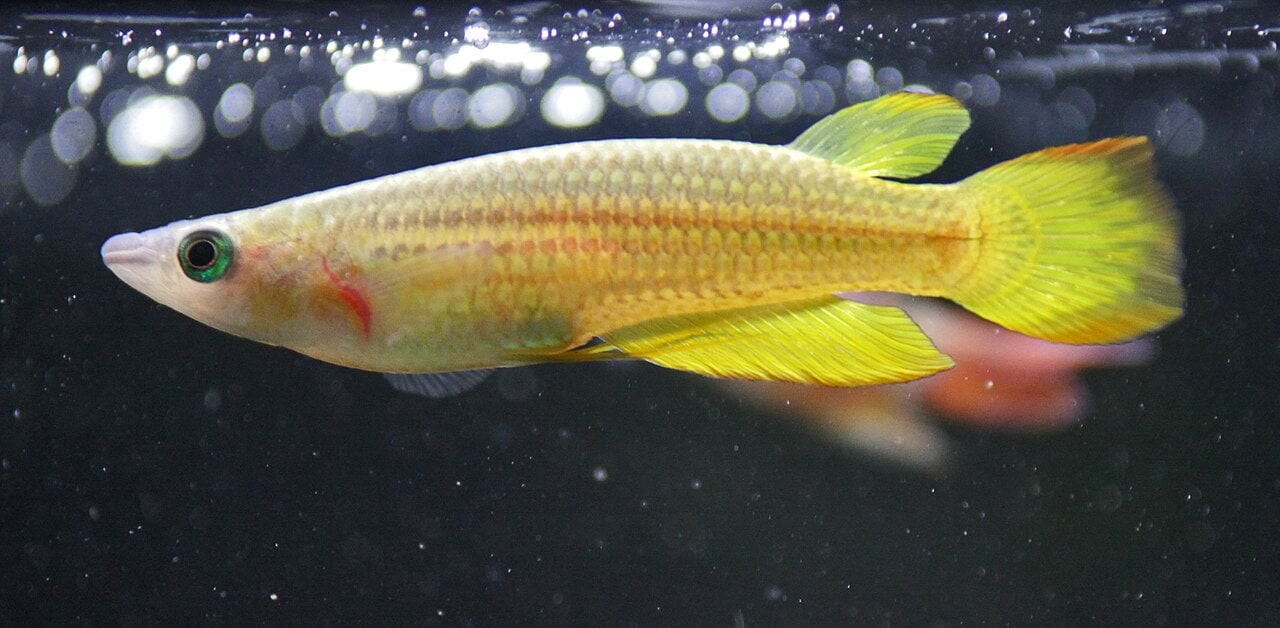 Golden Wonder Killifish
semi-aggressive · intermediate · min 80L
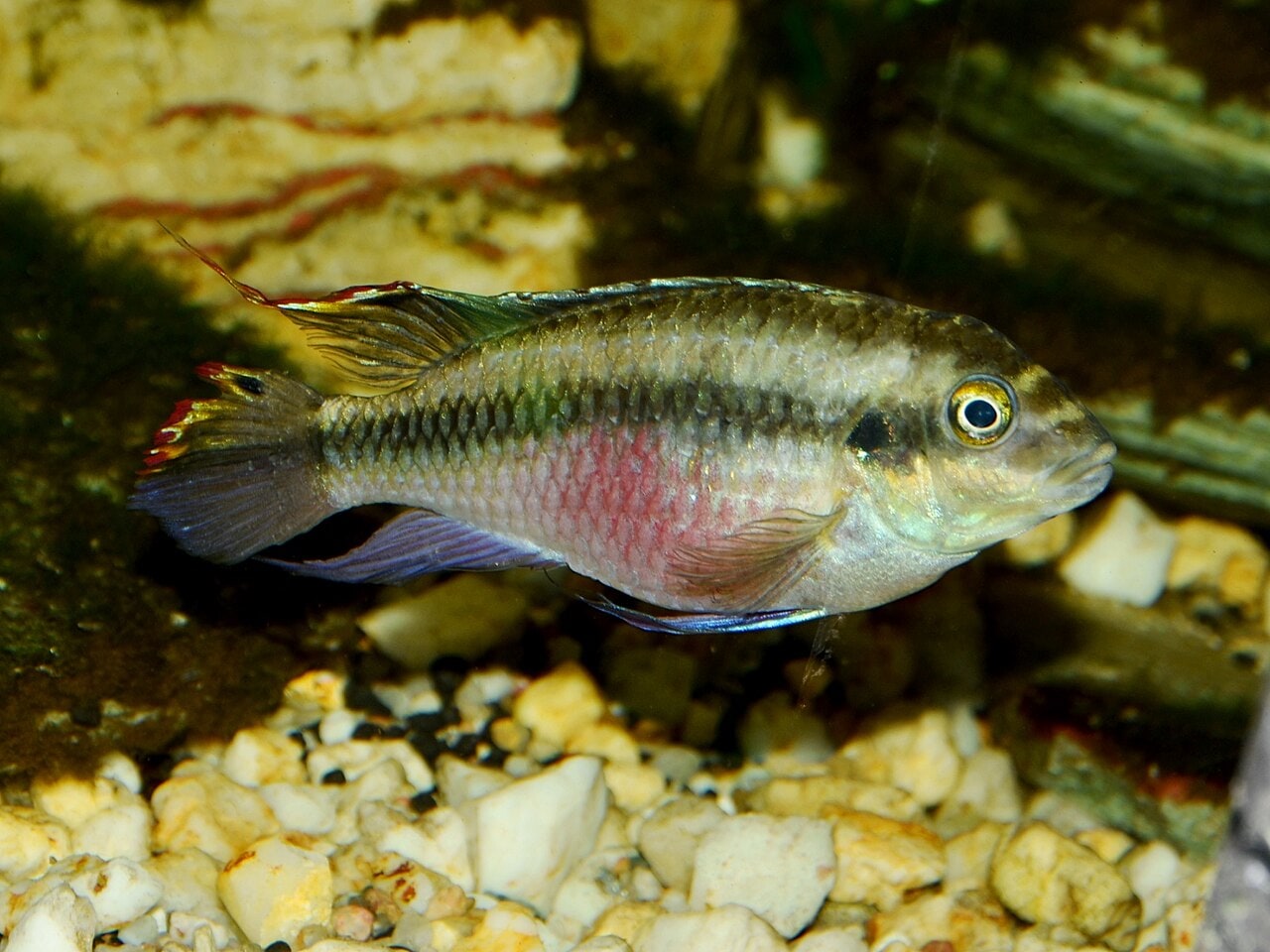 Kribensis
semi-aggressive · beginner · min 100L
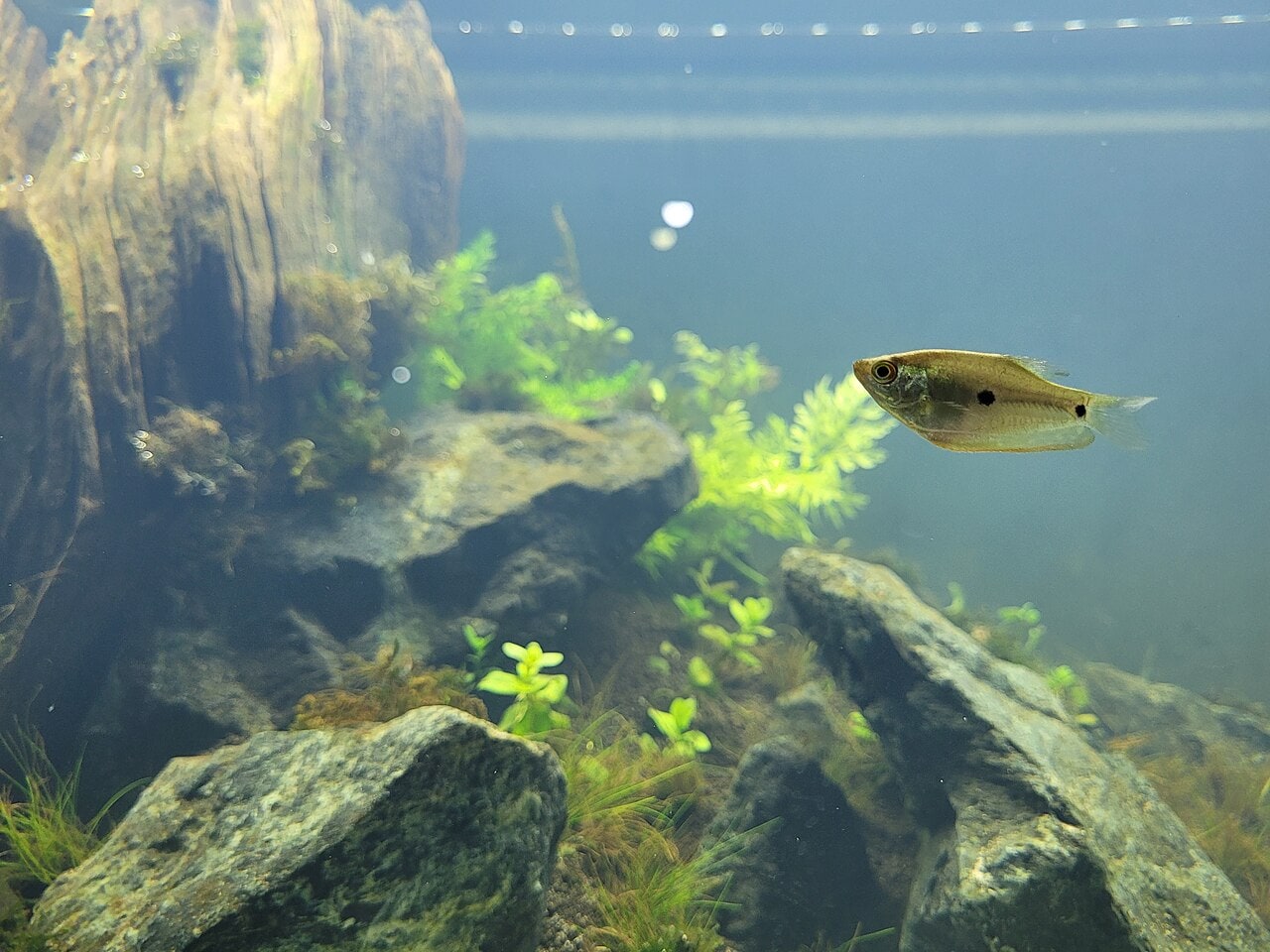 Opaline gourami
semi-aggressive · intermediate · min 150L
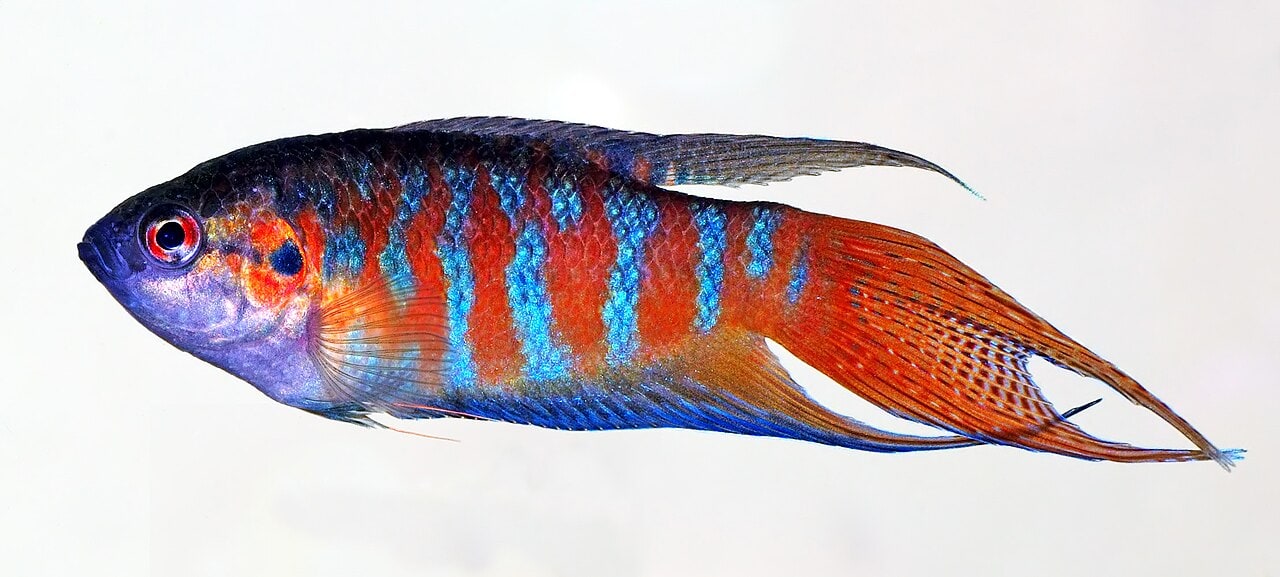 Paradise fish
semi-aggressive · intermediate · min 120L
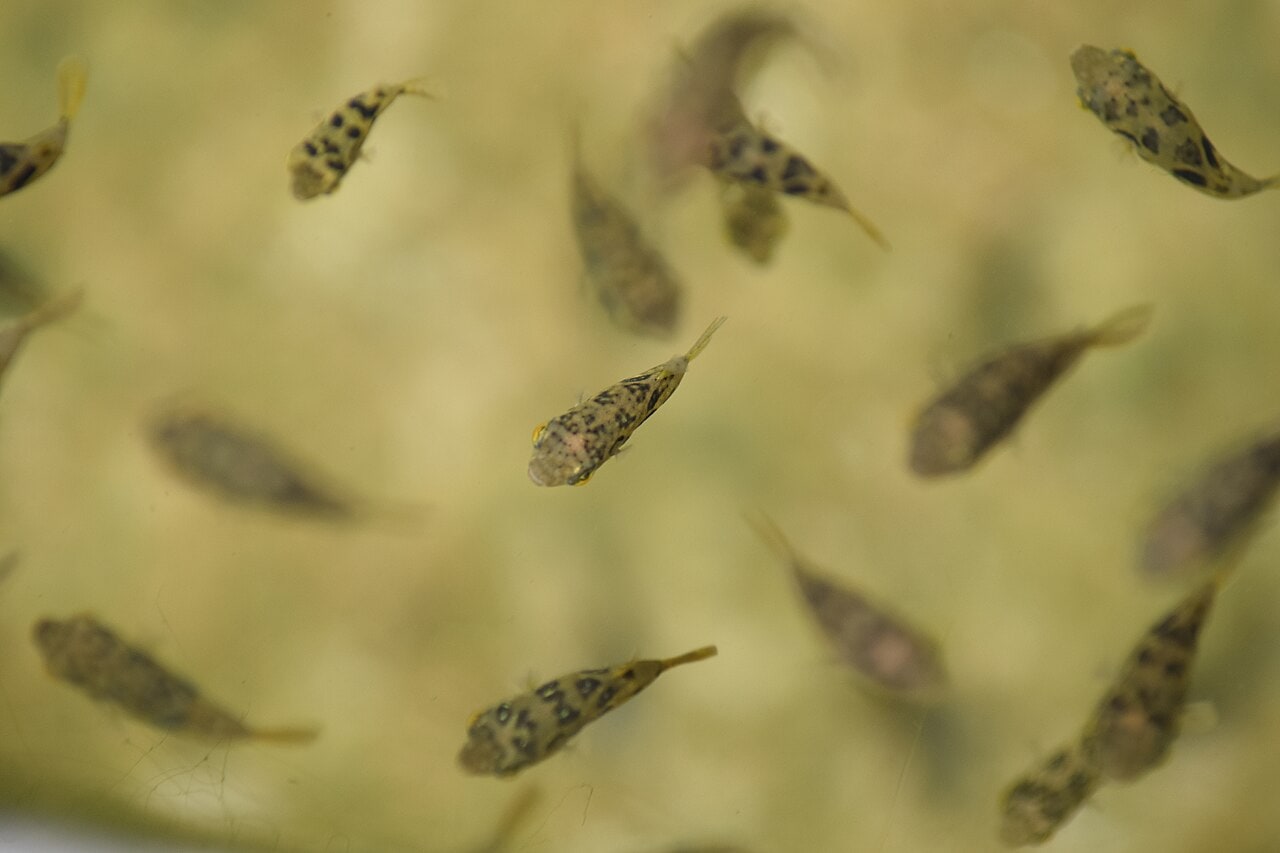 Pea Puffer
semi-aggressive · intermediate · min 40L
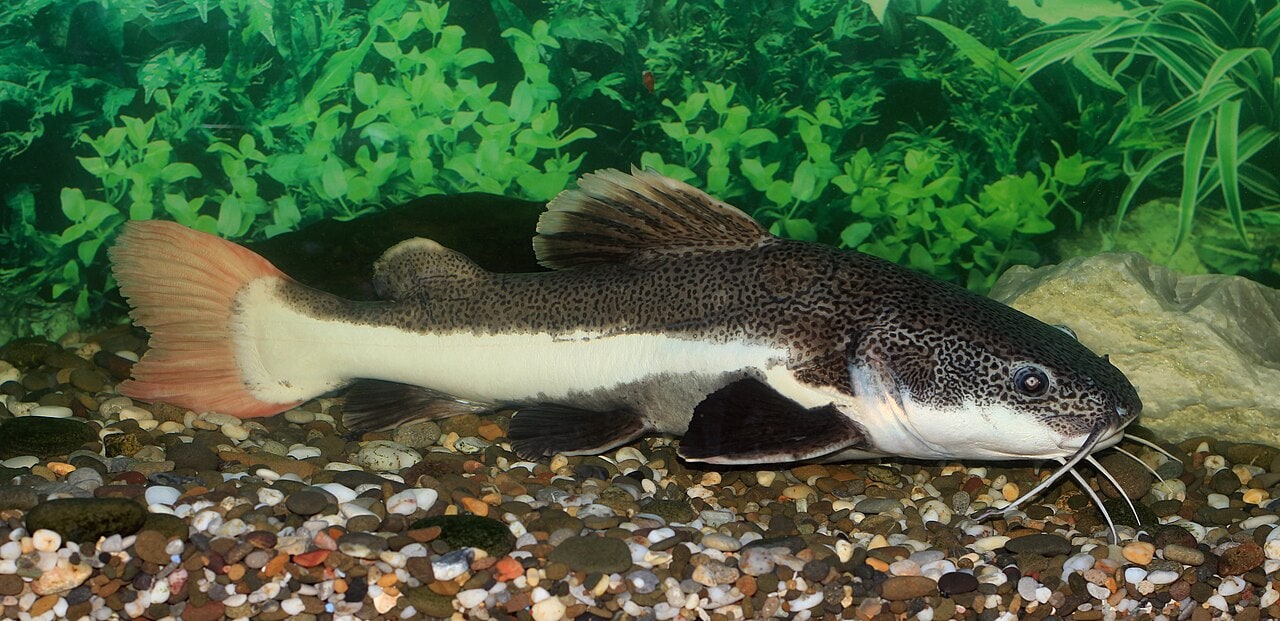
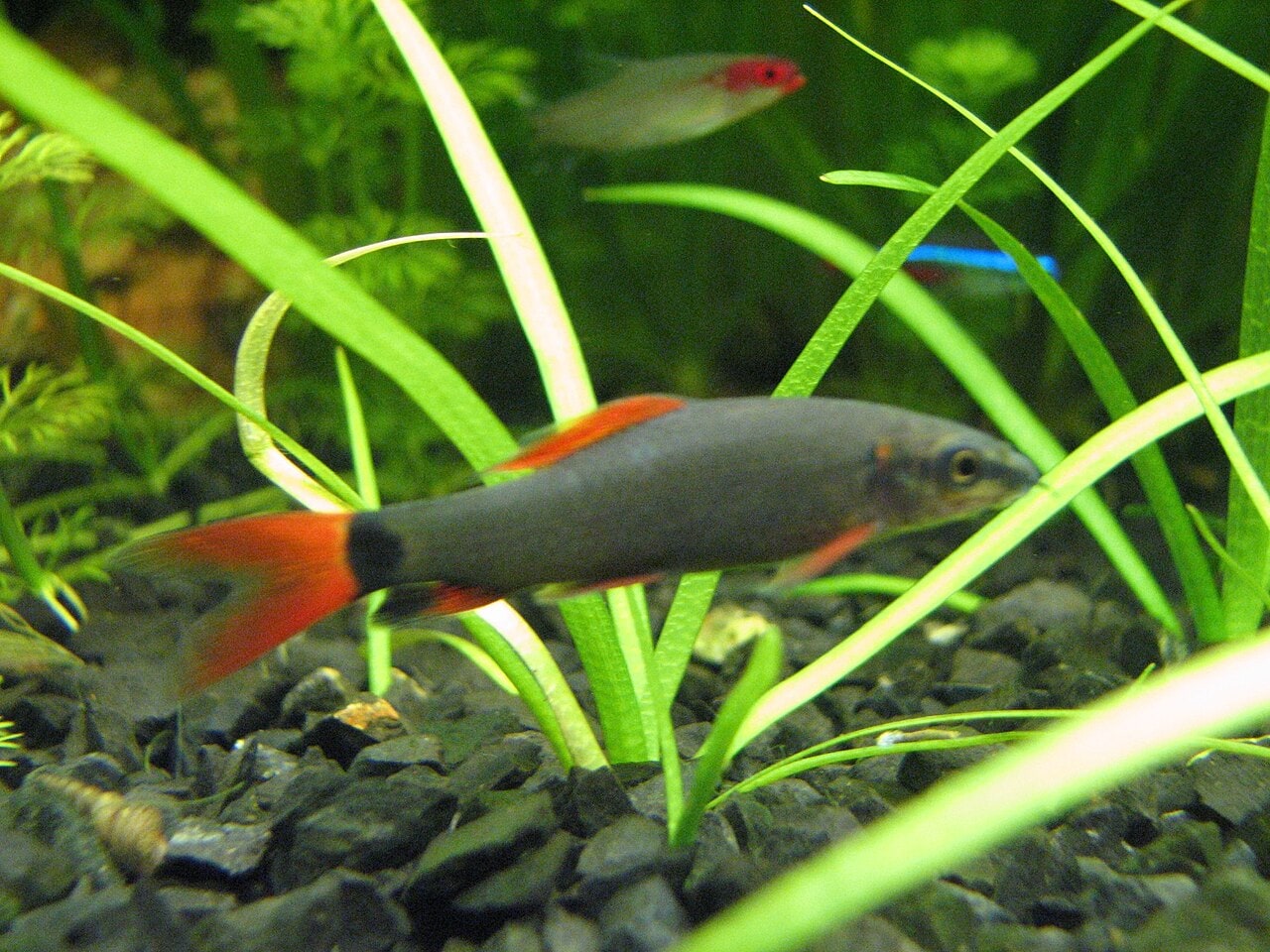 Rainbow / red-tailed black shark
semi-aggressive · intermediate · min 200L
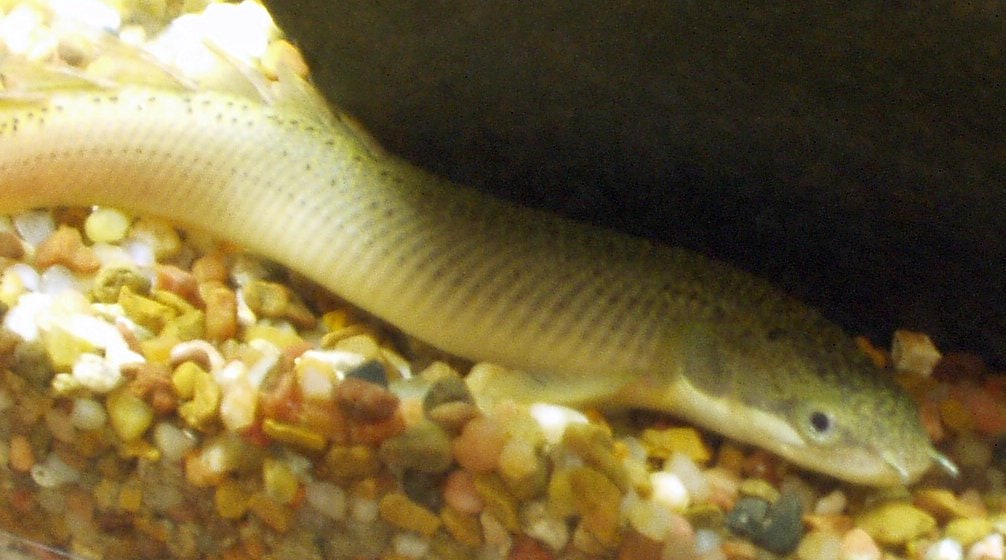 Senegal bichir
semi-aggressive · intermediate · min 300L
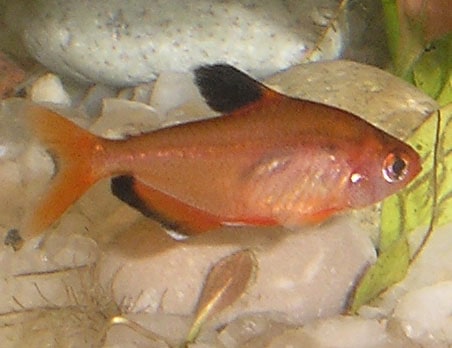 Serpae Tetra
semi-aggressive · intermediate · min 100L
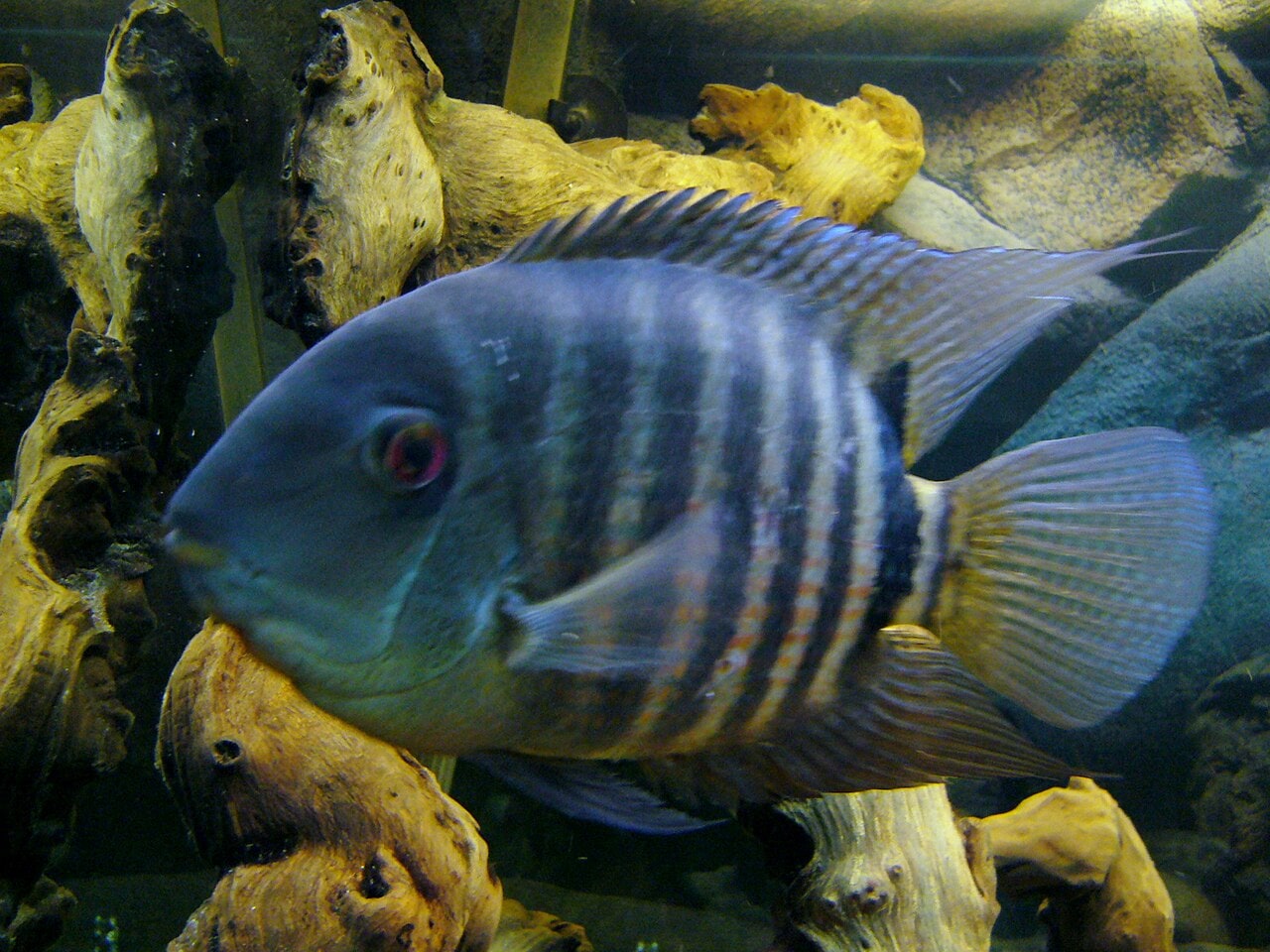 Severum
semi-aggressive · intermediate · min 250L
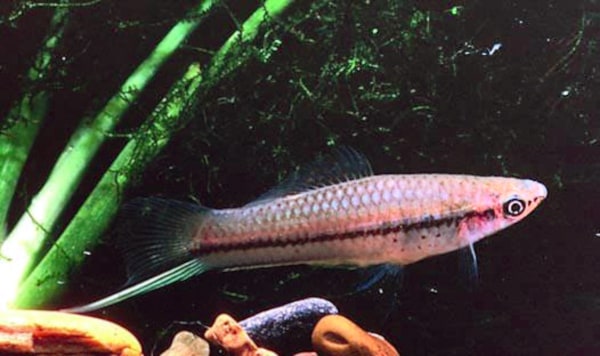 Swordtail
semi-aggressive · beginner · min 80L
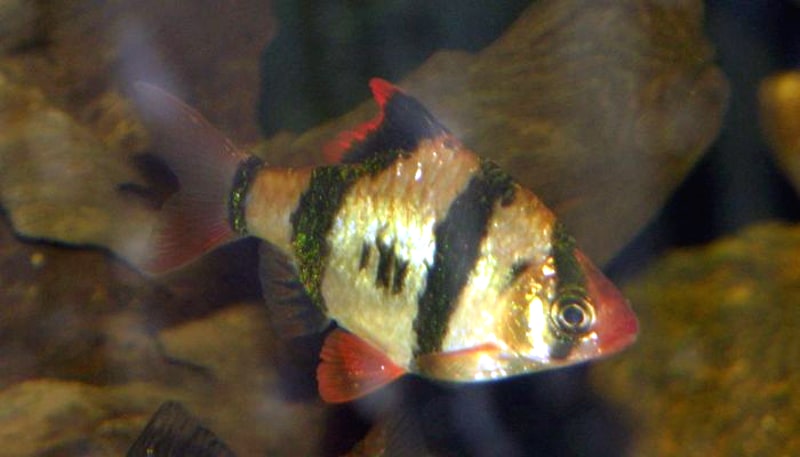 Tiger Barb
semi-aggressive · intermediate · min 80L
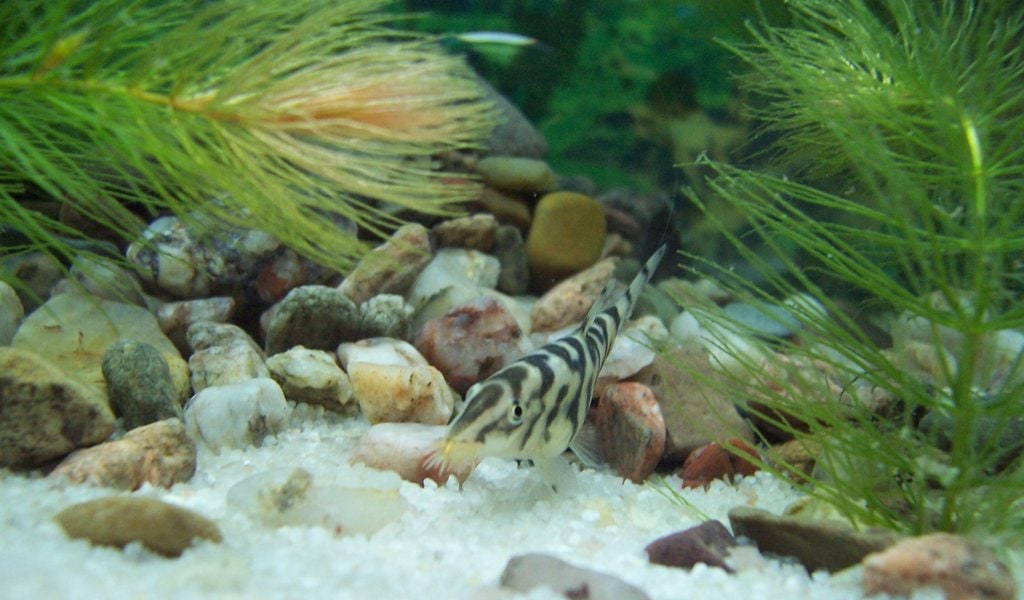 Yoyo Loach
semi-aggressive · intermediate · min 200L
Caution
Next steps
Shortlist a few names from this guide, then verify the real mix before you buy.
Other guides
Aggressive fish — quick answers
- What does the “Aggressive fish” list include?
- 32 species are rated aggressive or semi-aggressive.
- Can aggressive fish live in a community tank?
- Sometimes, with volume above the minimum, sight-line breaks, and usually one centrepiece plan. Add order matters — established residents defend territory. Read each profile before mixing.
- How should I use this aggressive list?
- Decide whether you want a species-focused tank or a carefully planned community. Check litres, cover, and who cannot share the glass — then pair-check before you buy.
- Which species appear on this guide right now?
- Examples currently matching include African Cichlid, Agassiz’s dwarf cichlid, American Flagfish, Angelfish, plus 28 more. Counts change as the library grows.