Fish that are a poor first choice for beginners
Advanced care, aggression, or equipment demands that punish first tanks — better paths above.
Each species here carries a not-recommended-for-beginners flag, advanced care level, or aggressive temperament in a body that bites back. Most first failures are equipment and routine failures, not "bad fish". Use the alternatives list above, learn on hardier stock, and come back to these aspirational species with a second tank.
21 species are marked not-recommended for beginners, advanced-care, or aggressive in a tank size that bites back.
Keeper decision notes
Most species here are not bad fish — they are bad first tanks. They demand consistent water, precise feeding, mature filtration, and patient observation. Build those skills on hardier stock first (see alternatives above), then come back with a second tank.
Every row is a real profile. The list moves when a record changes. Shortlist names, then verify litres, water, and mates on each profile before you buy.
Better first-tank directions
Beginner, peaceful, strong beginner suitability. Still verify tank volume and mates.
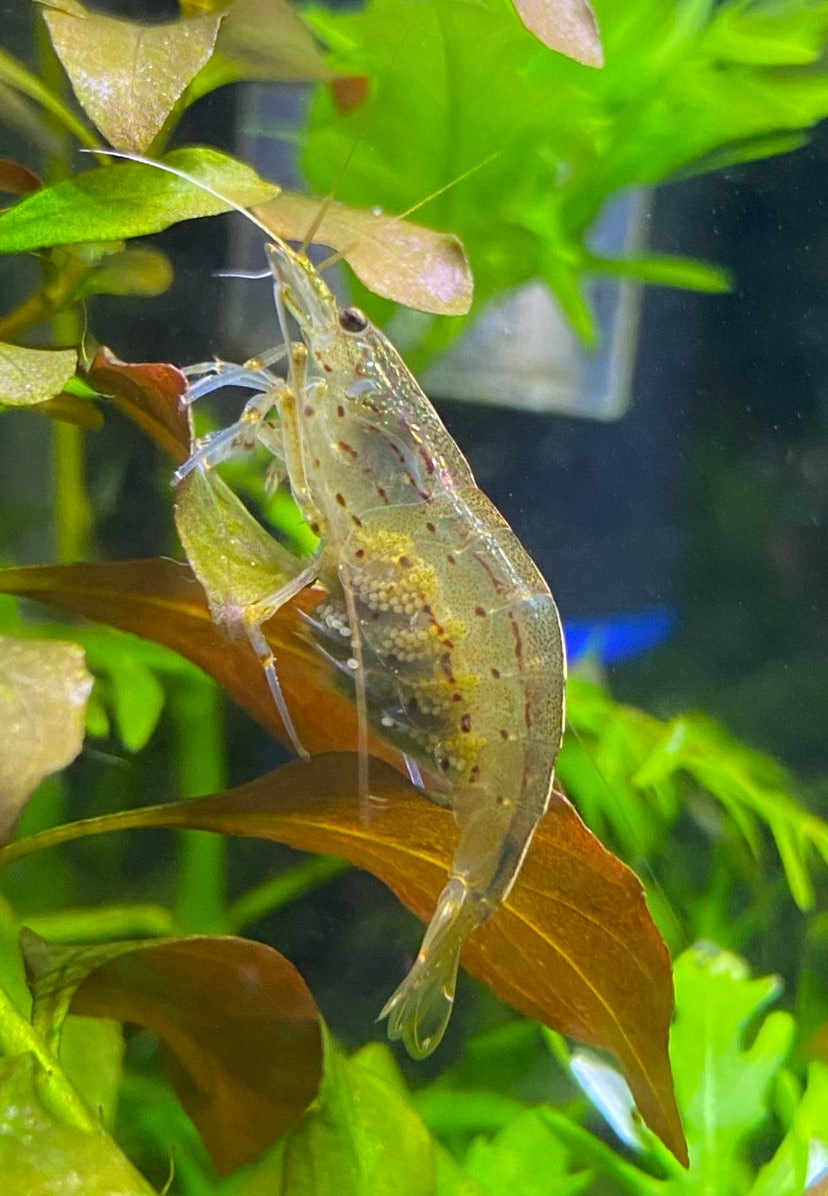 Amano Shrimp
peaceful · beginner · min 40L
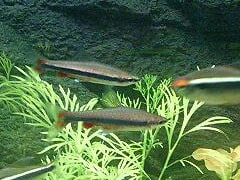 Beckford Pencilfish
peaceful · beginner · min 60L
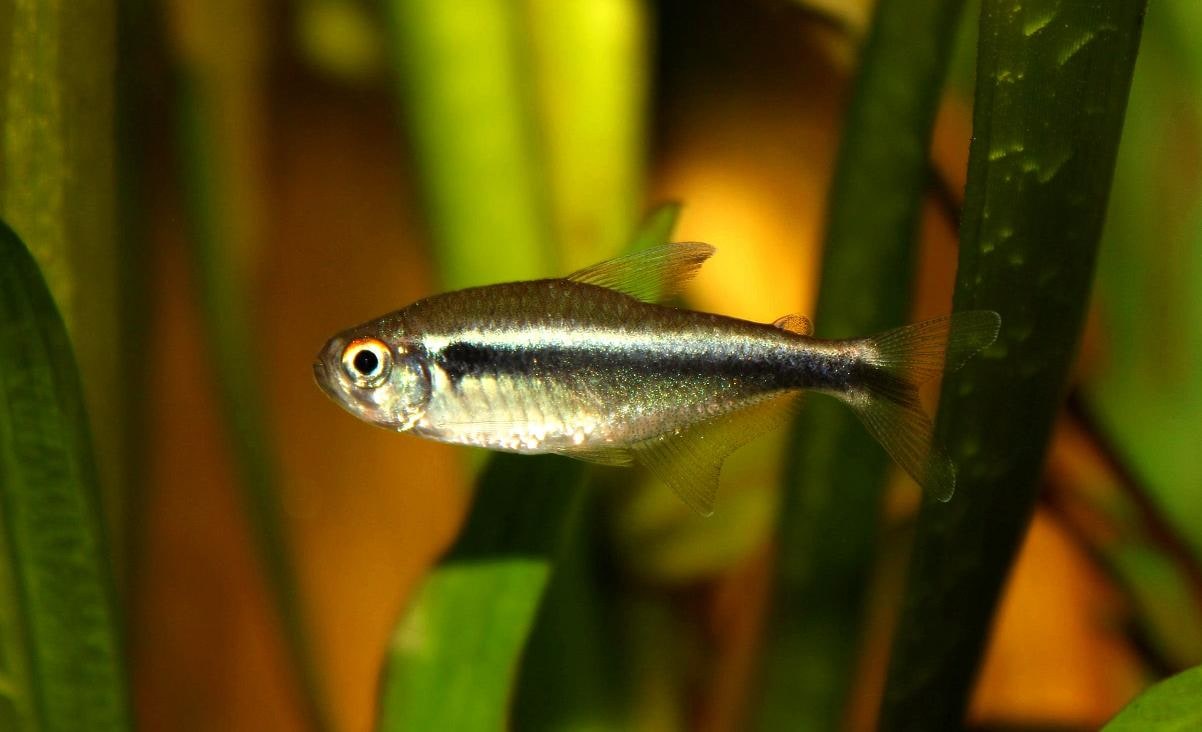 Black Neon Tetra
peaceful · beginner · min 60L
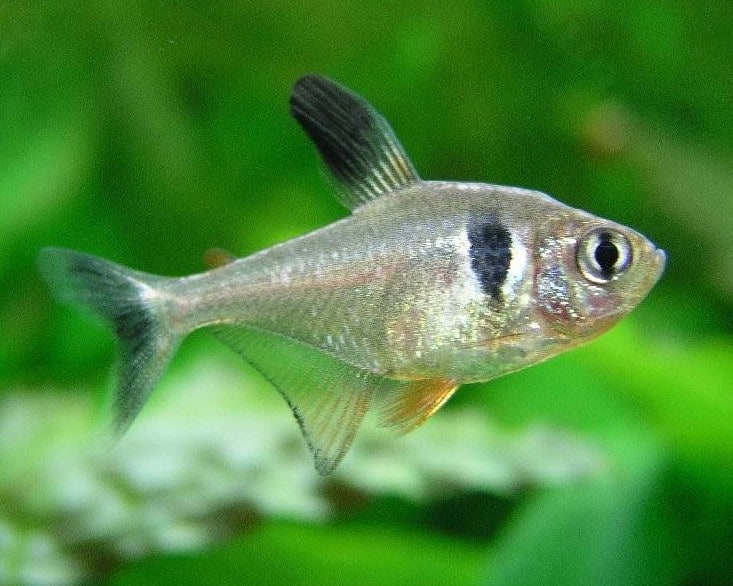 Black phantom tetra
peaceful · beginner · min 80L
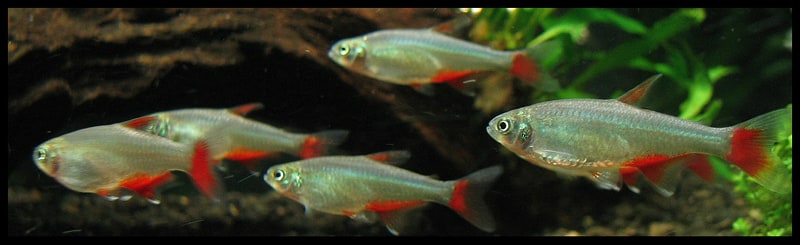 Bloodfin tetra
peaceful · beginner · min 60L
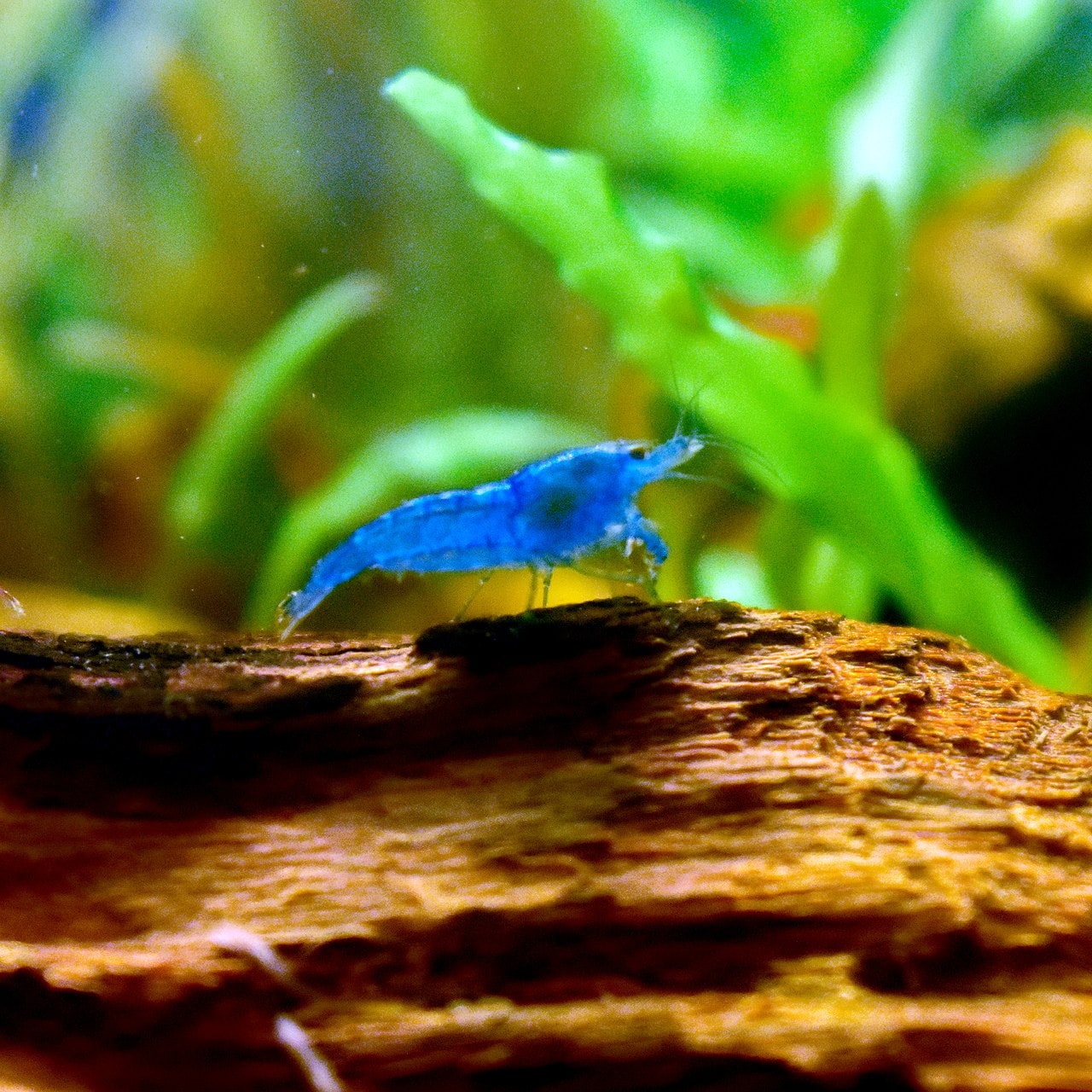 Blue Dream Shrimp
peaceful · beginner · min 20L
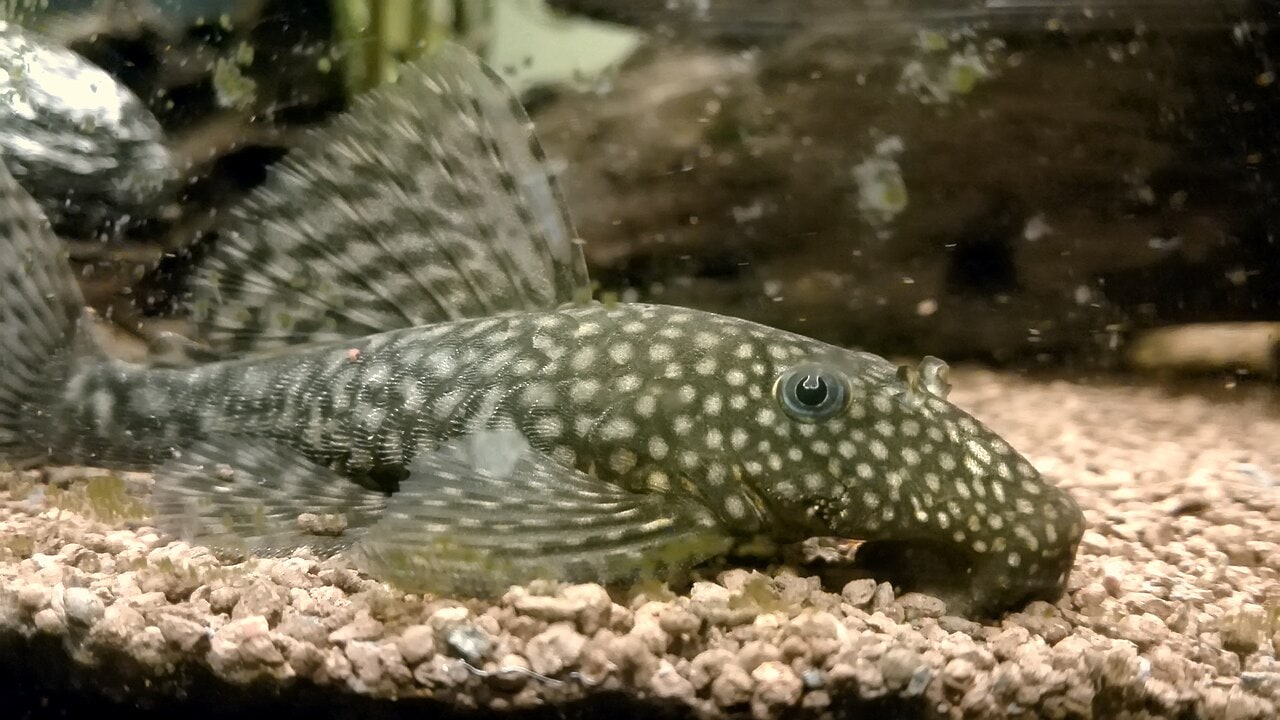 Bristlenose Pleco
peaceful · beginner · min 80L
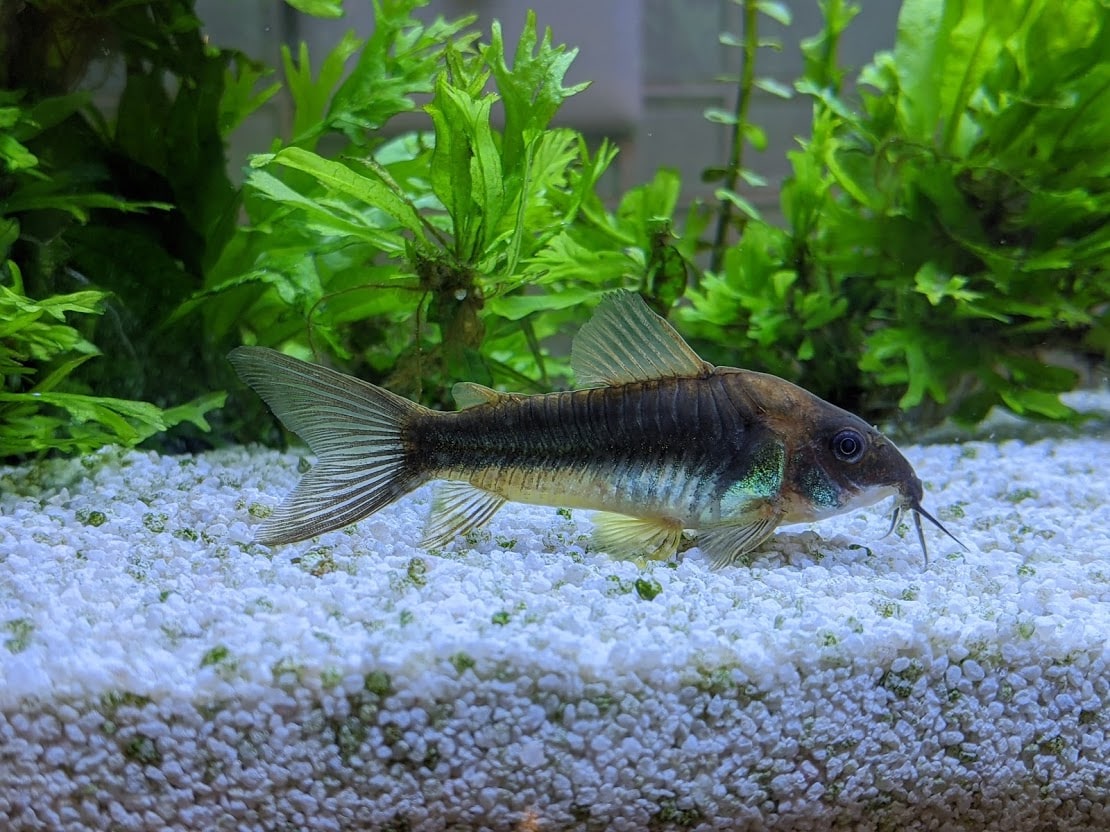 Bronze corydoras
peaceful · beginner · min 100L
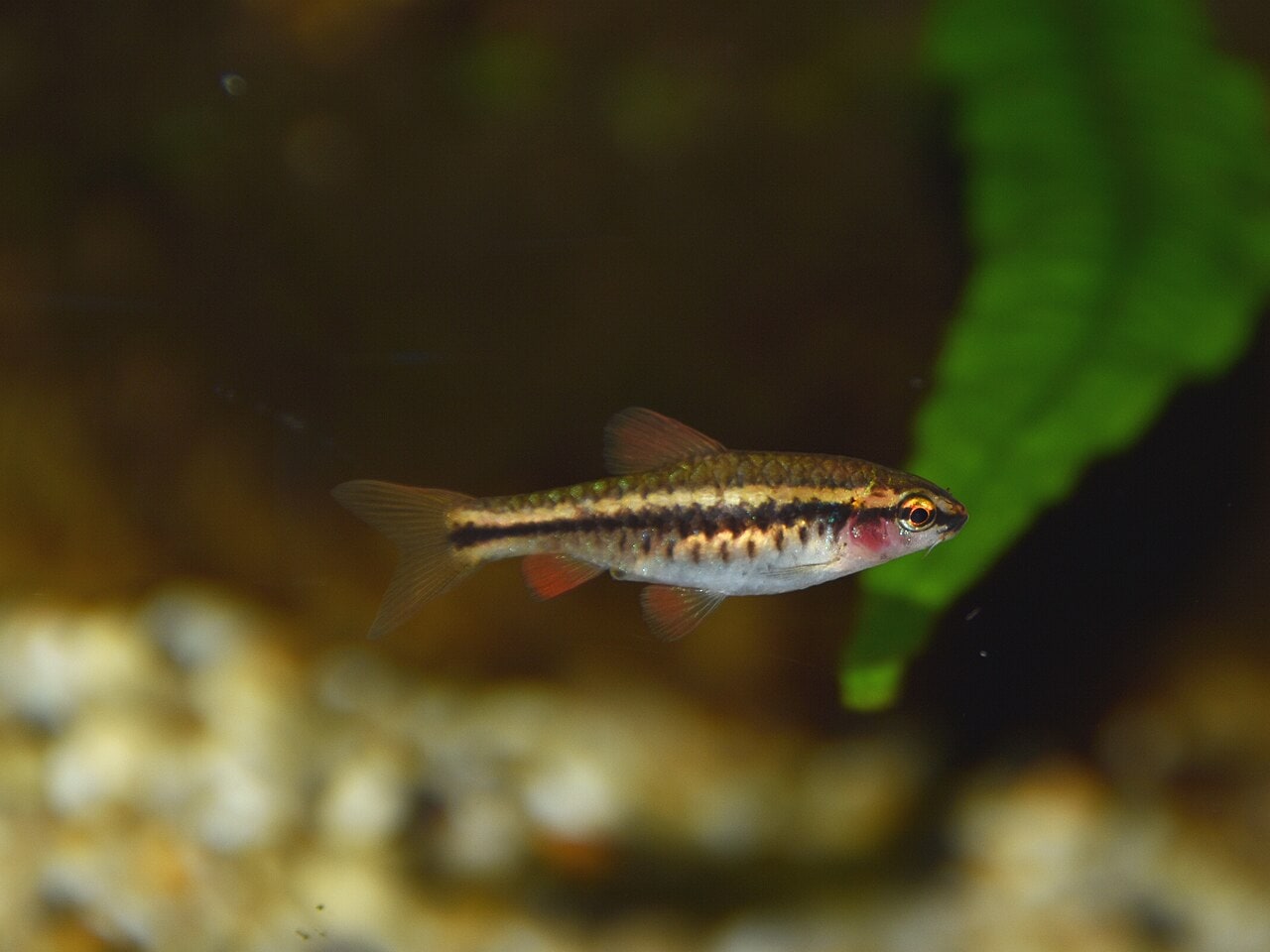 Cherry Barb
peaceful · beginner · min 60L
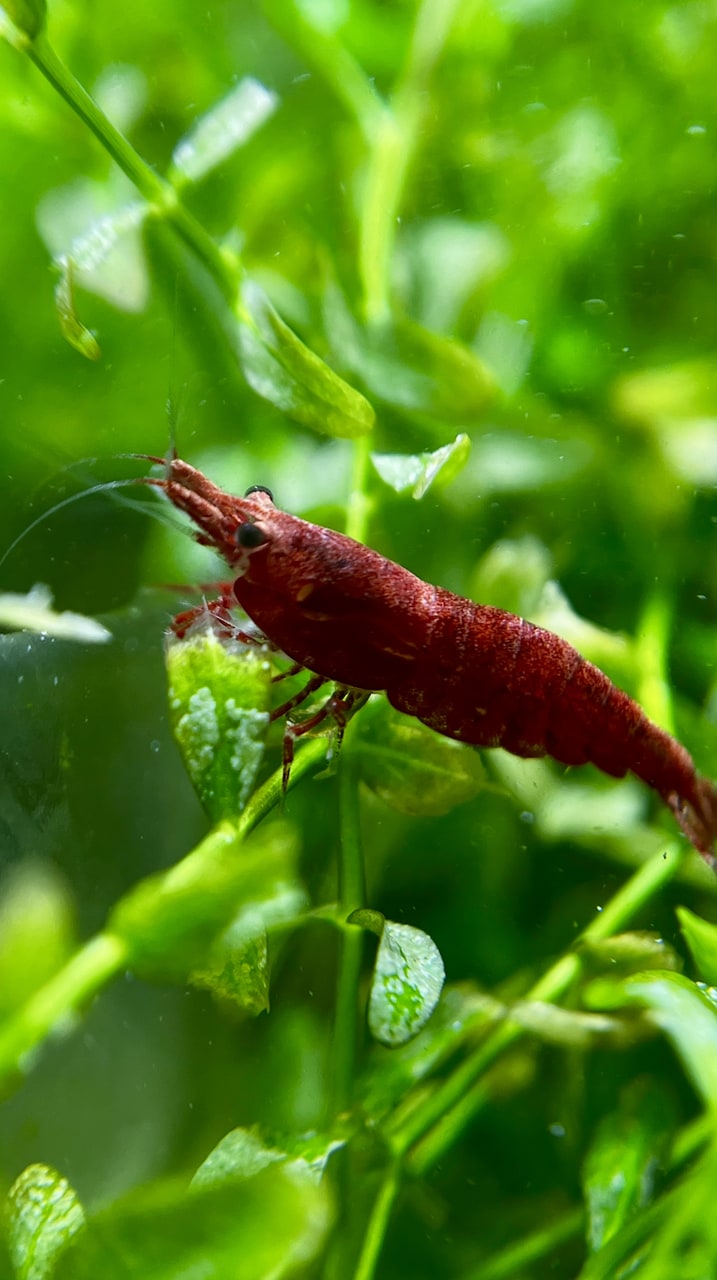 Cherry Shrimp
peaceful · beginner · min 20L
 Columbian Tetra
peaceful · beginner · min 80L
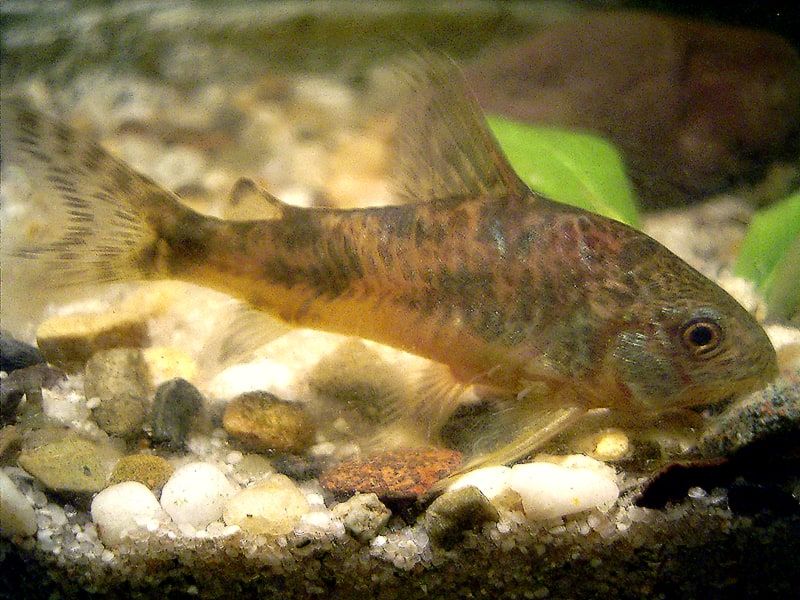 Corydoras Catfish
peaceful · beginner · min 60L
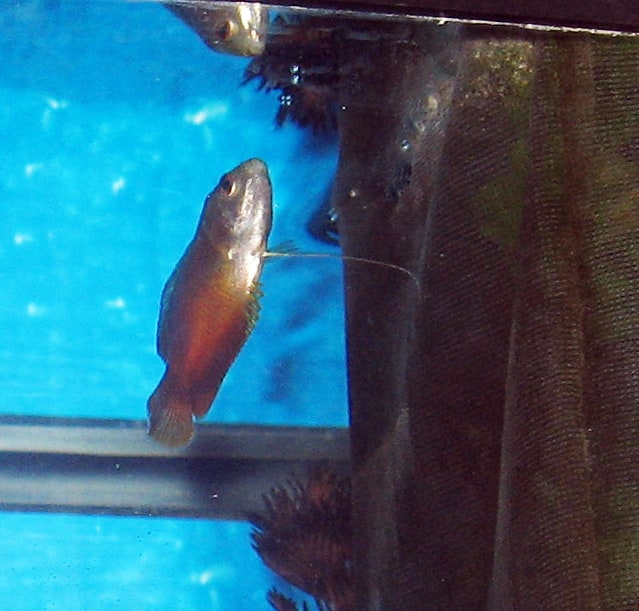 Dwarf Gourami
peaceful · beginner · min 60L
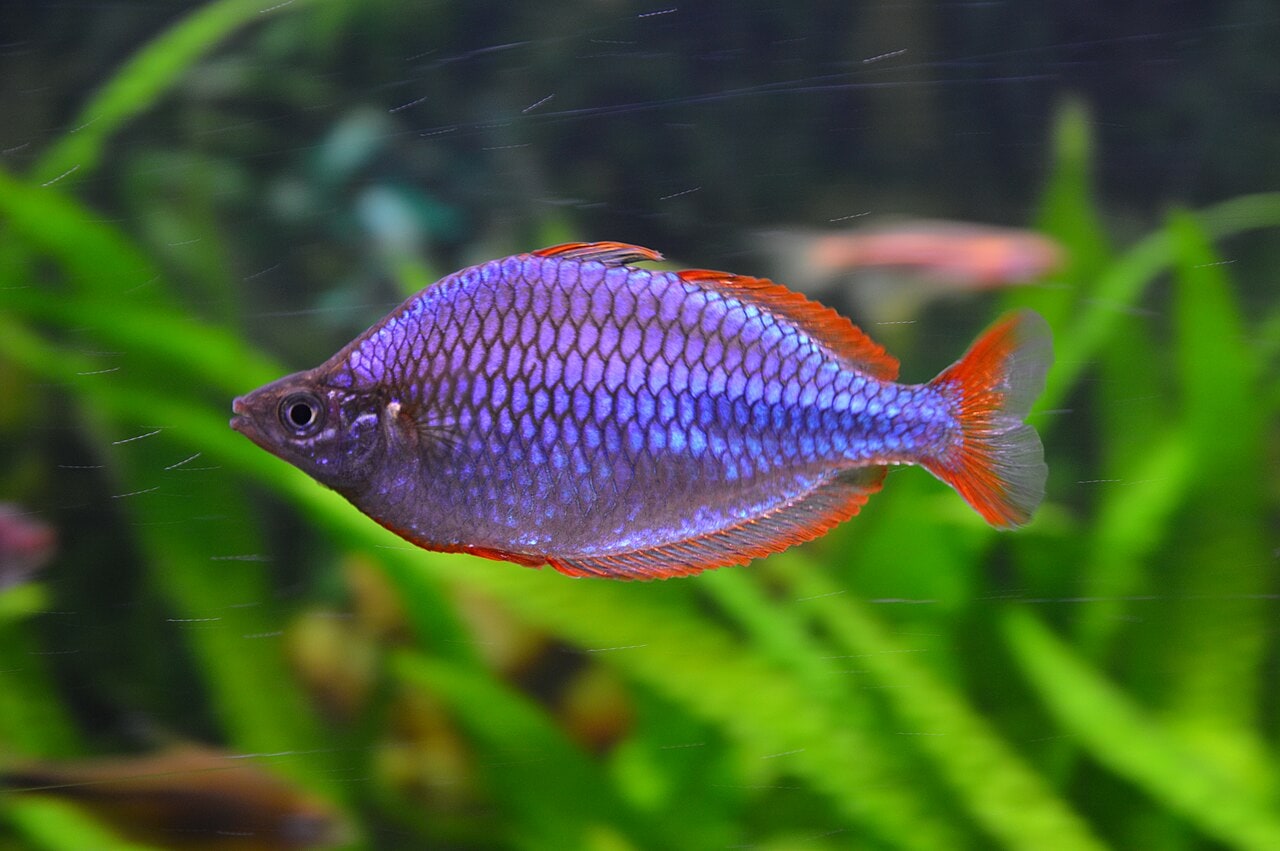 Dwarf Neon Rainbowfish
peaceful · beginner · min 100L
Caution
Species flagged here for new keepers
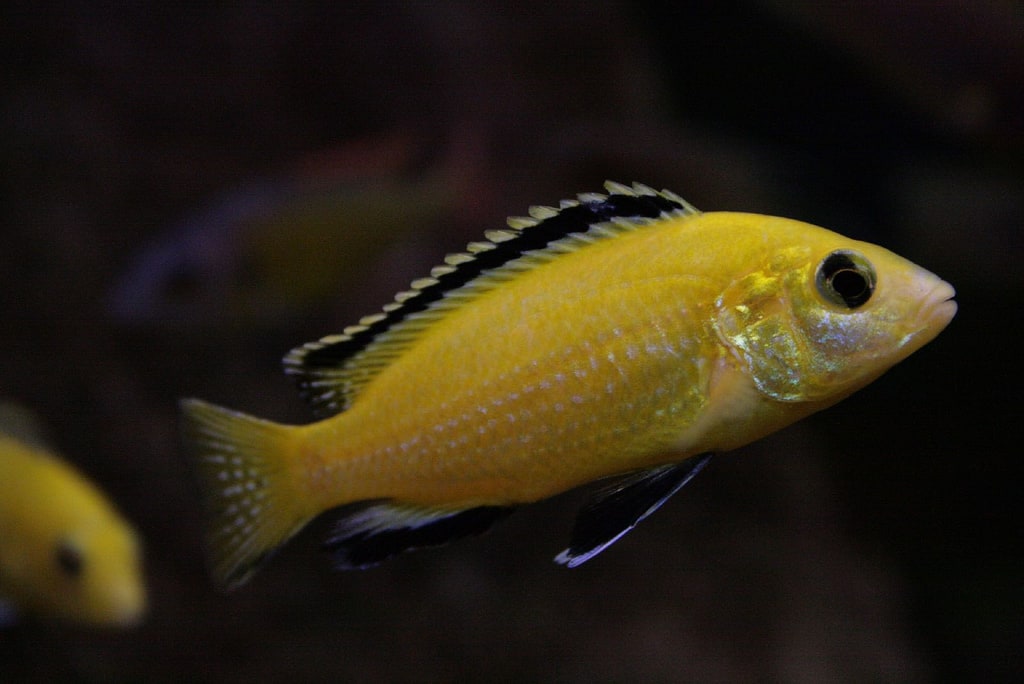 African Cichlid
aggressive · intermediate · min 200L
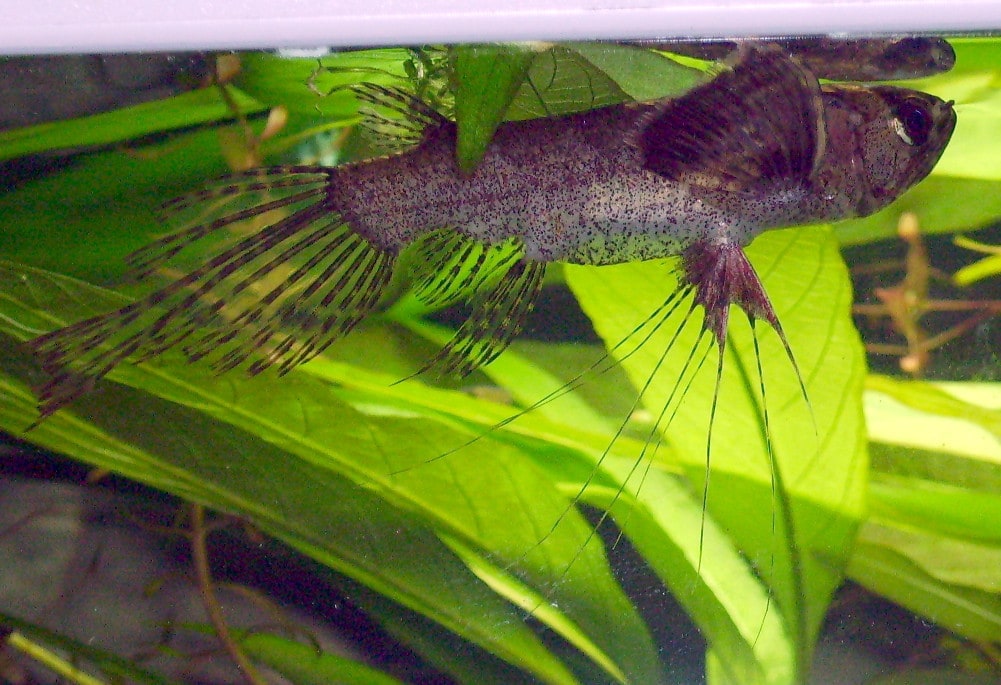 African freshwater butterflyfish
peaceful · intermediate · min 150L
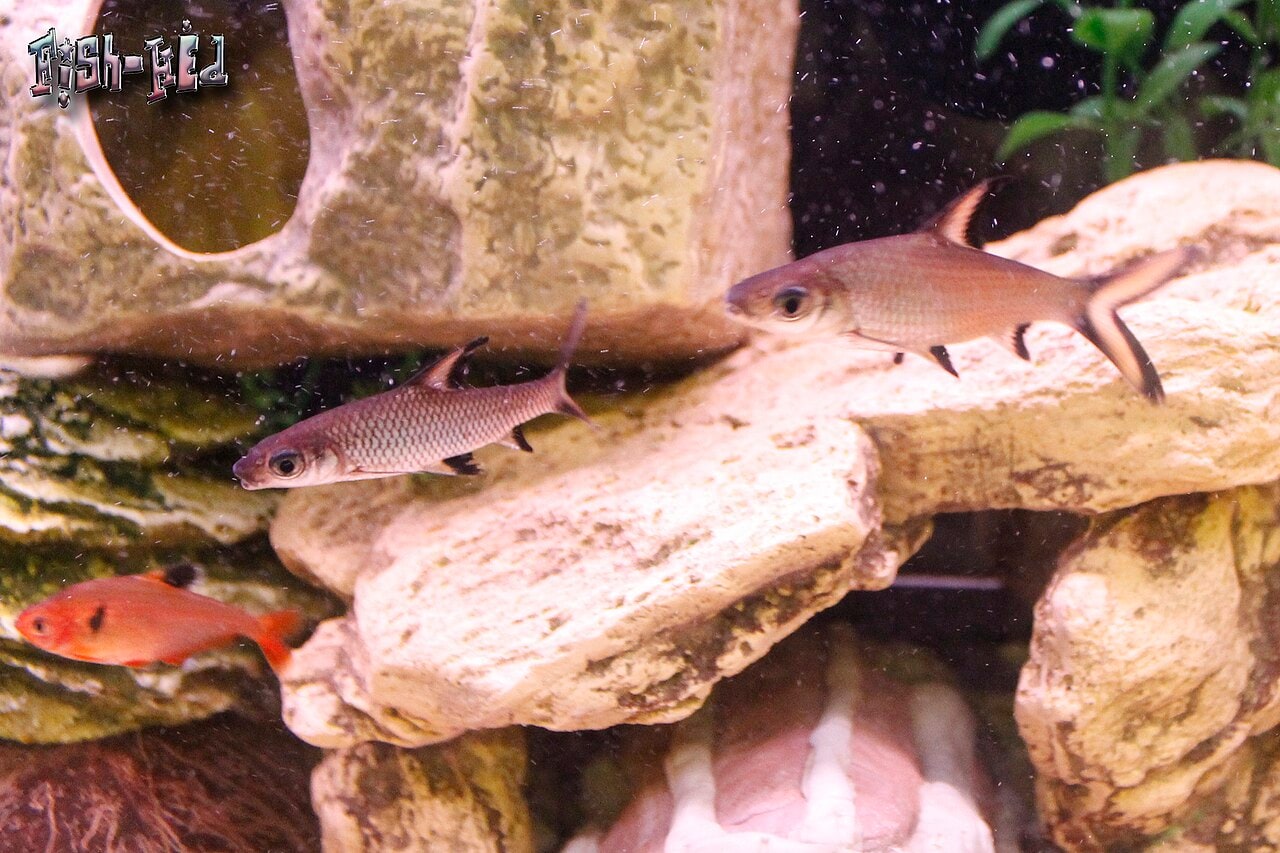 Bala / silver shark
peaceful · intermediate · min 500L
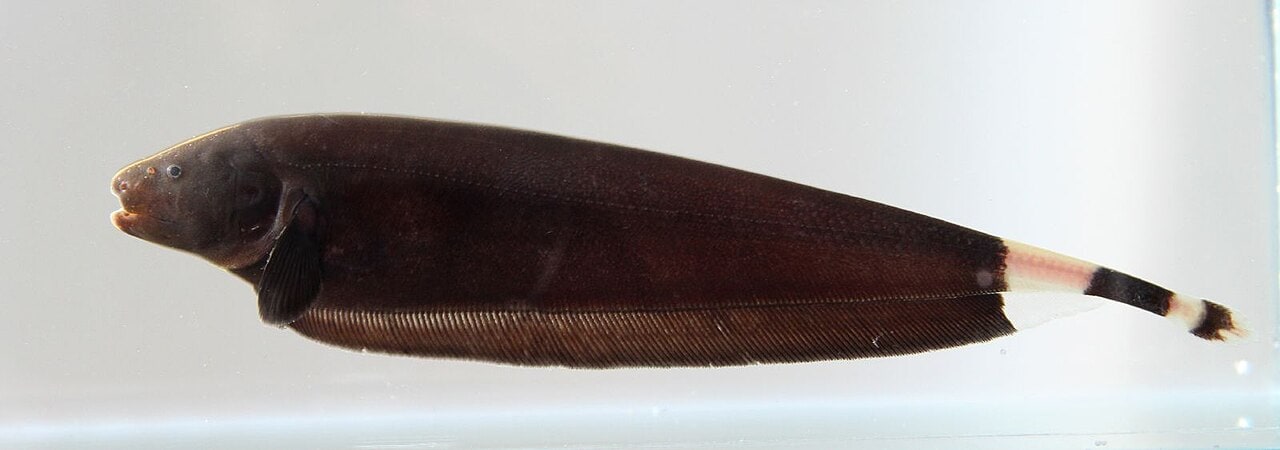 Black ghost knifefish
semi-aggressive · advanced · min 500L
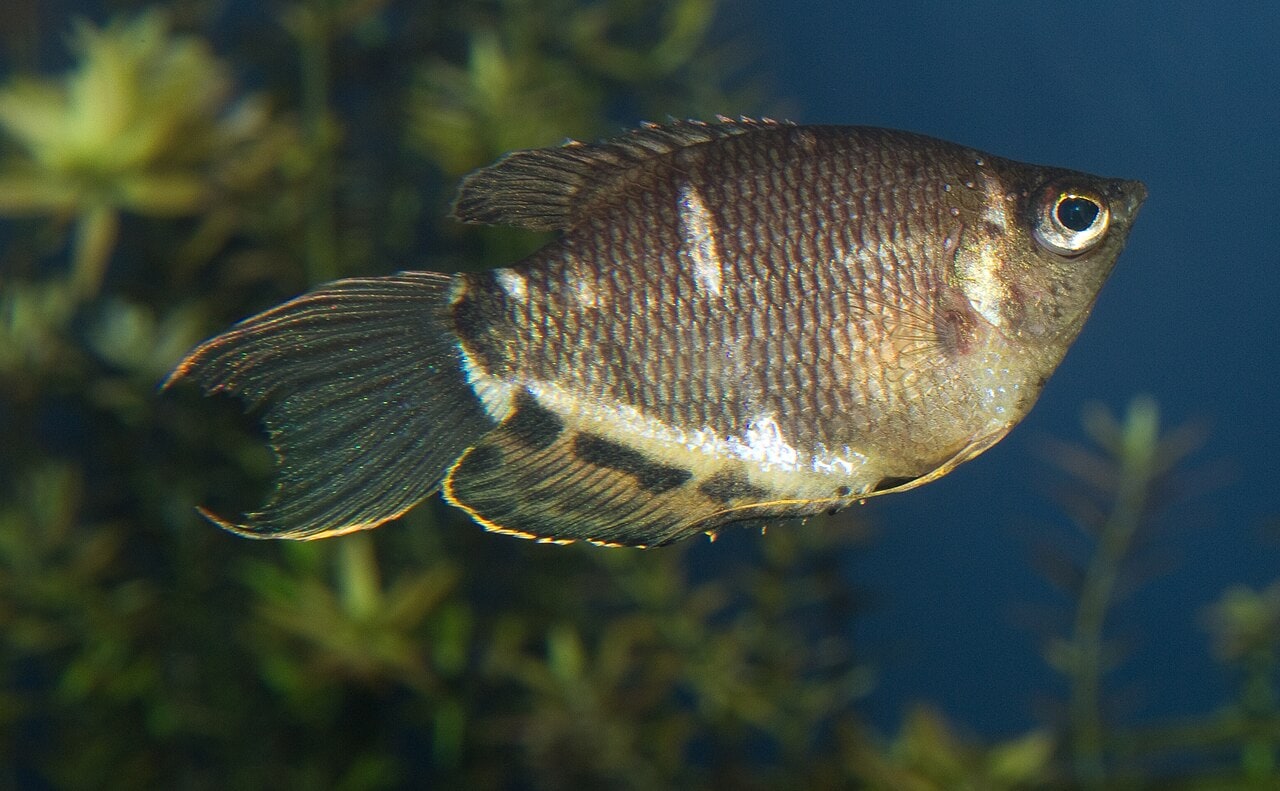 Chocolate gourami
peaceful · advanced · min 80L
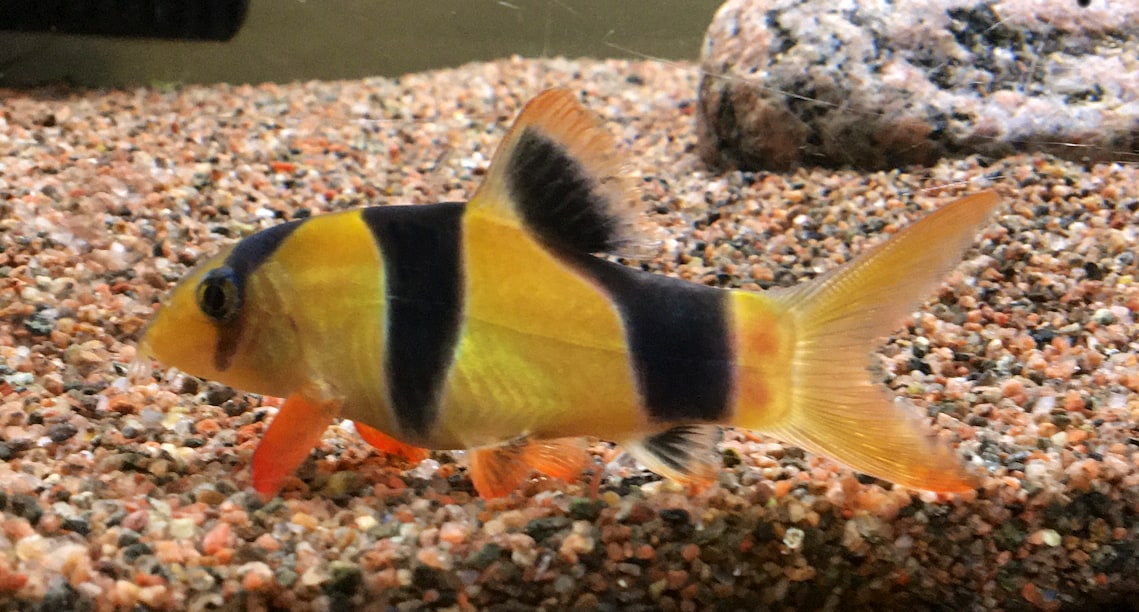 Clown Loach
peaceful · intermediate · min 400L
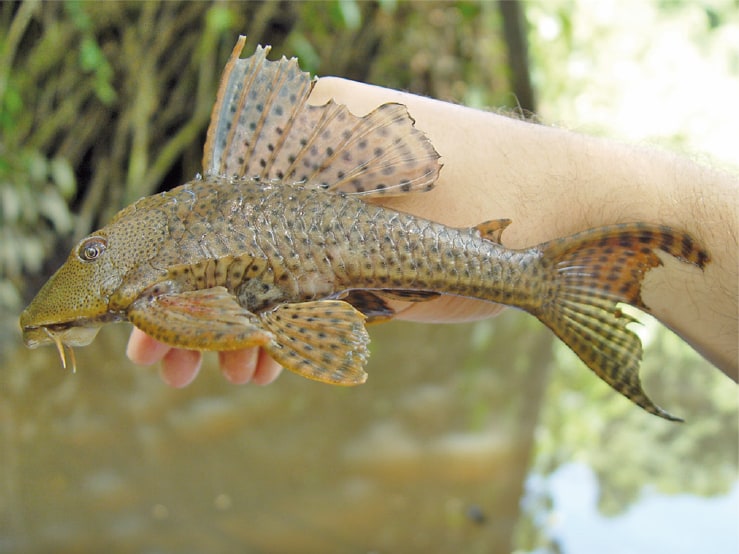 Common Pleco
peaceful · intermediate · min 600L
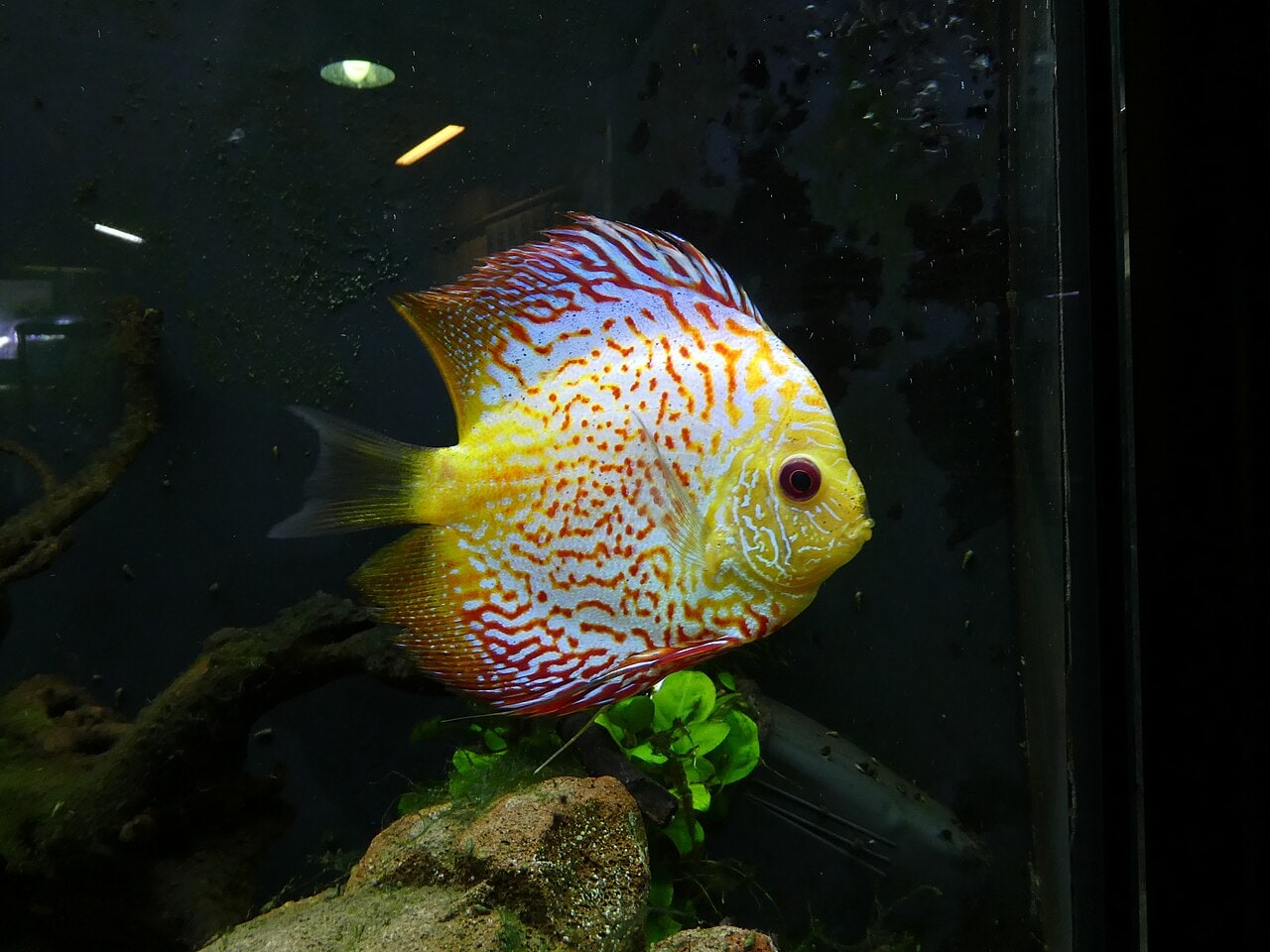 Discus
peaceful · advanced · min 200L
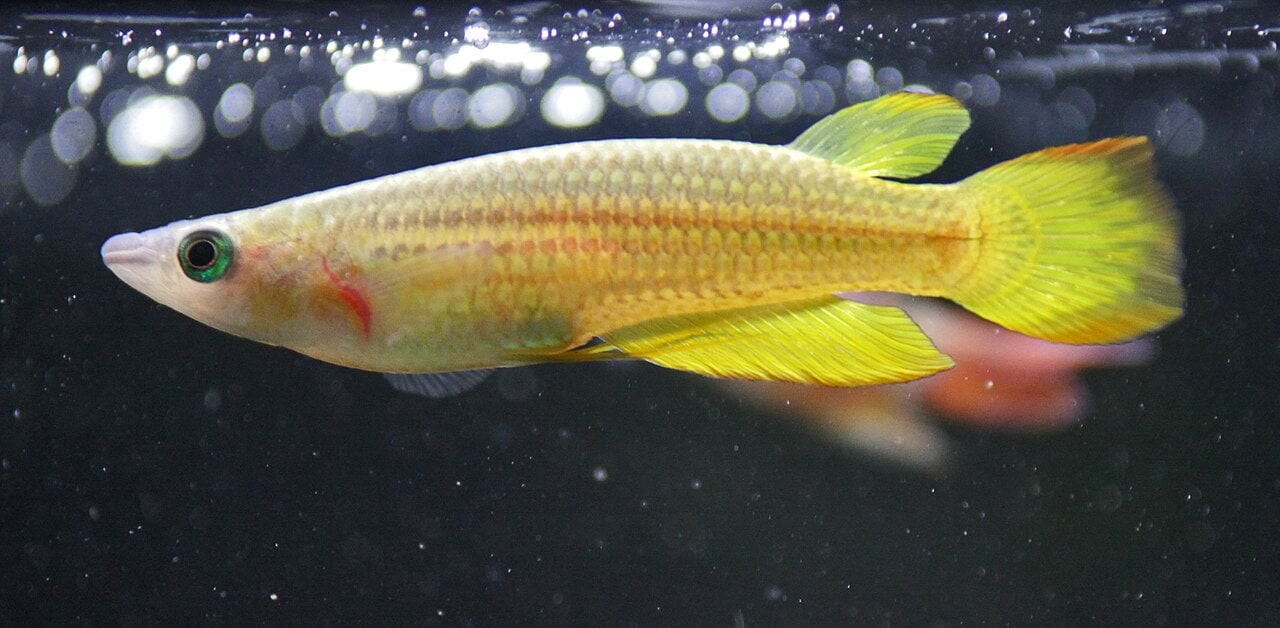 Golden Wonder Killifish
semi-aggressive · intermediate · min 80L
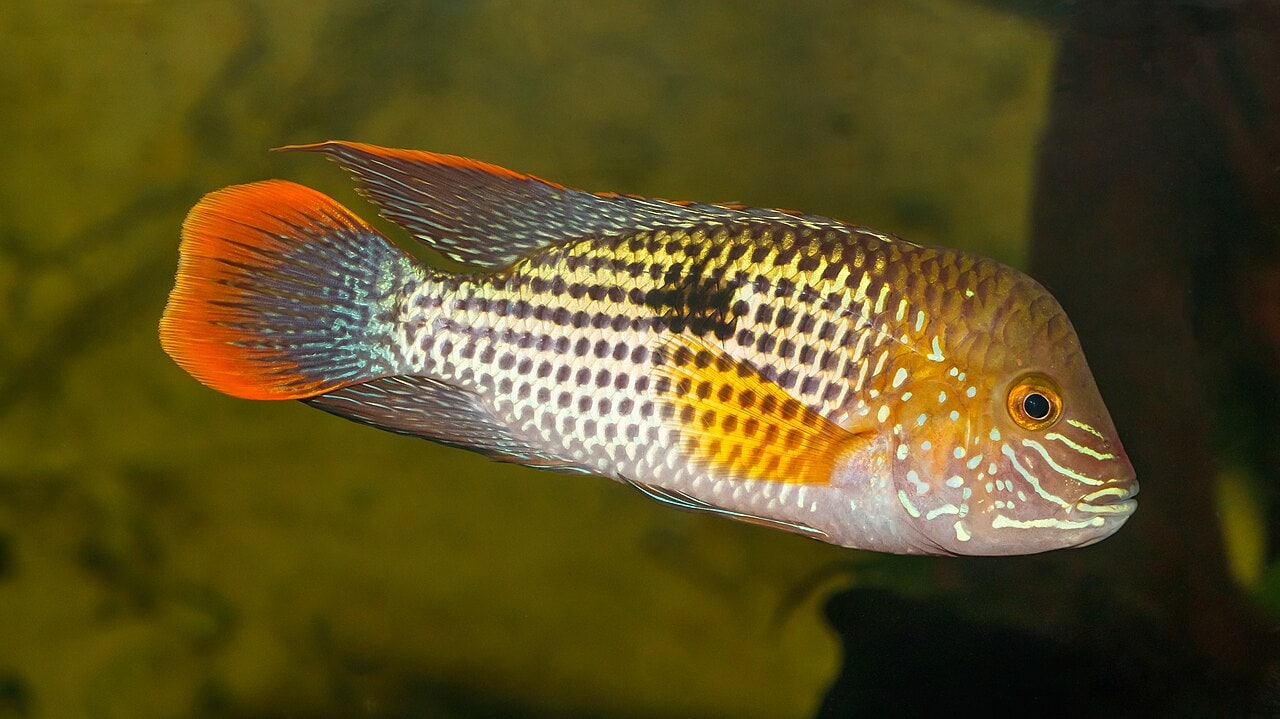 Green Terror
aggressive · intermediate · min 300L
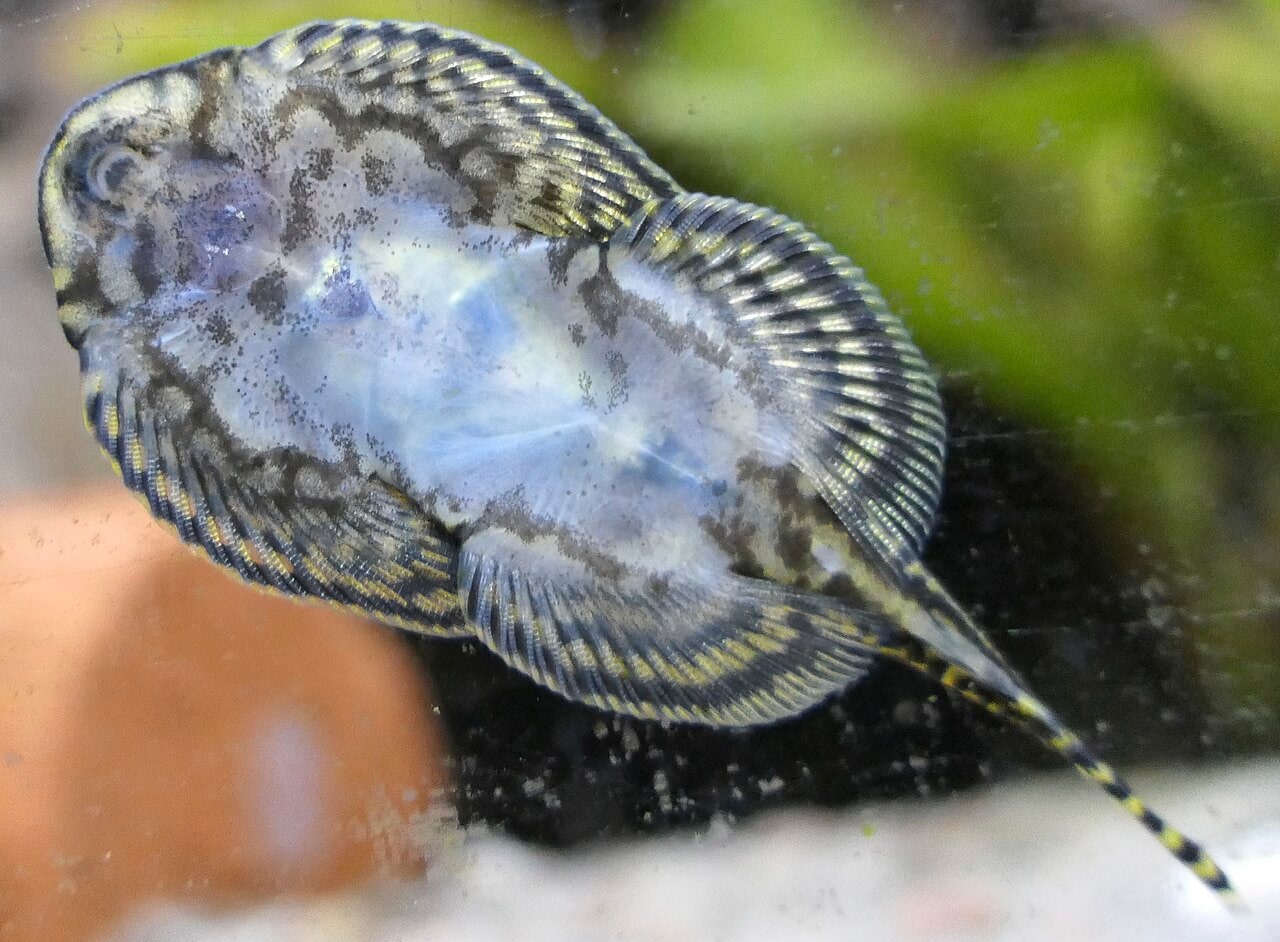 Hillstream Loach
peaceful · advanced · min 100L
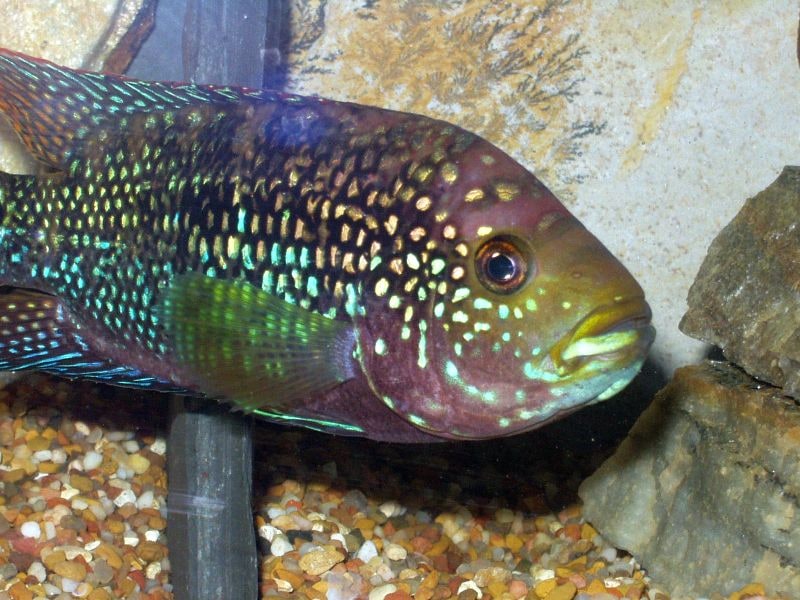 Jack Dempsey
aggressive · intermediate · min 200L
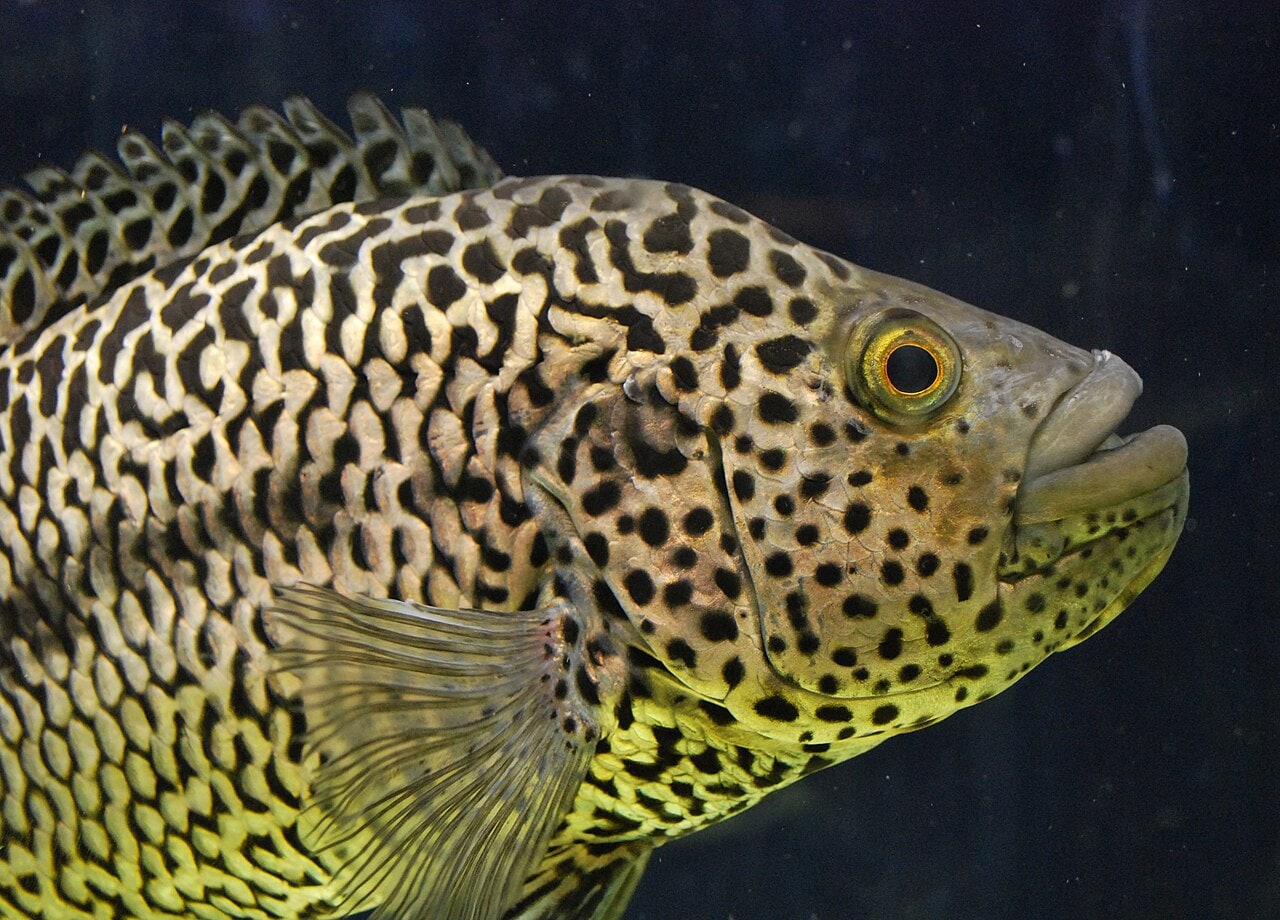 Jaguar cichlid
aggressive · advanced · min 500L
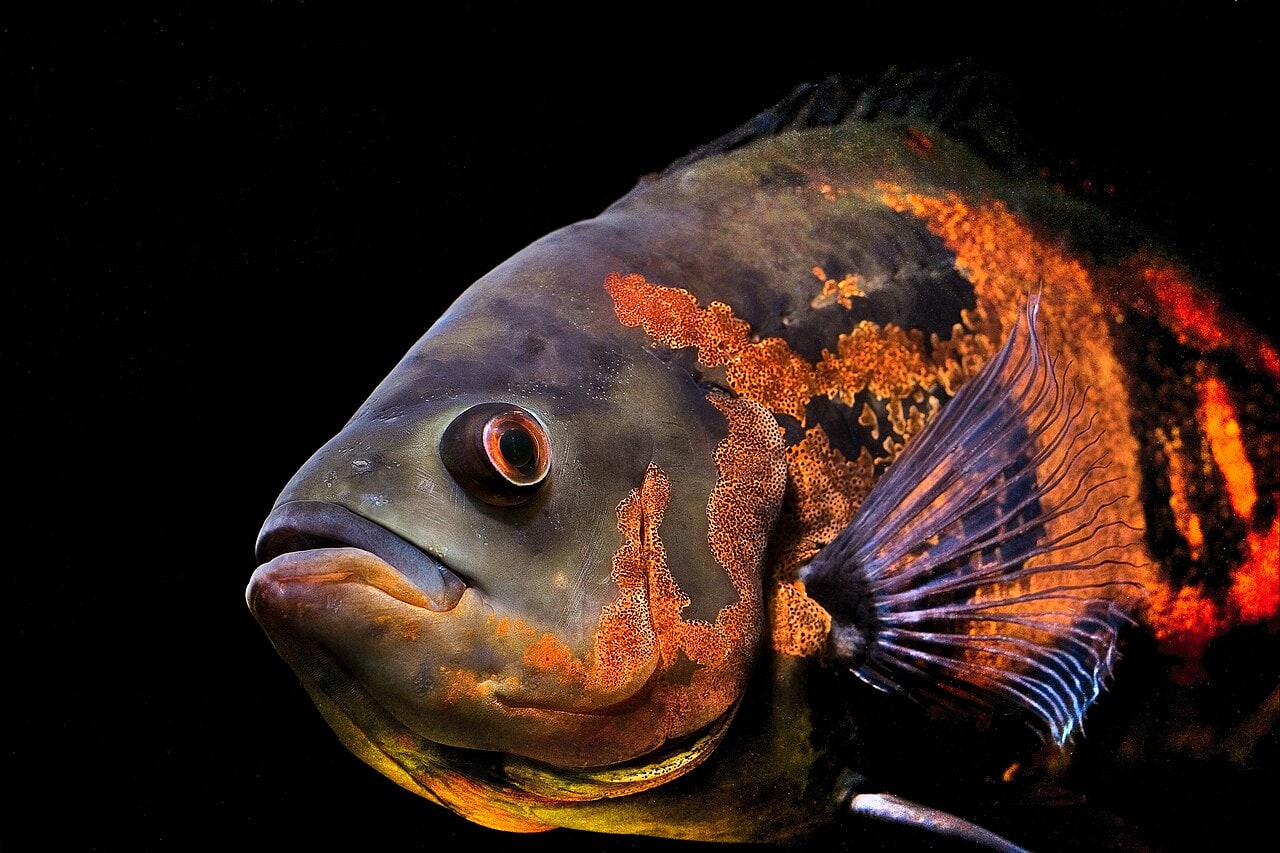 Oscar
Oscaraggressive · intermediate · min 300L
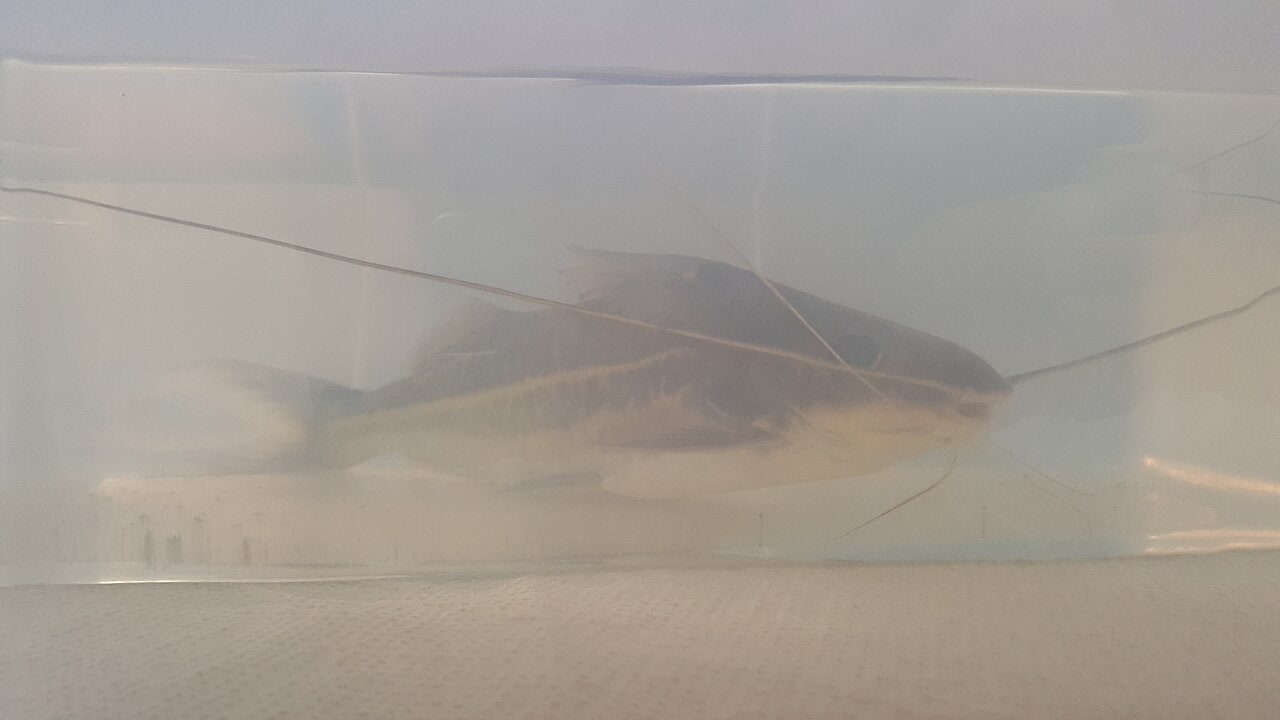 Pictus catfish
peaceful · intermediate · min 250L
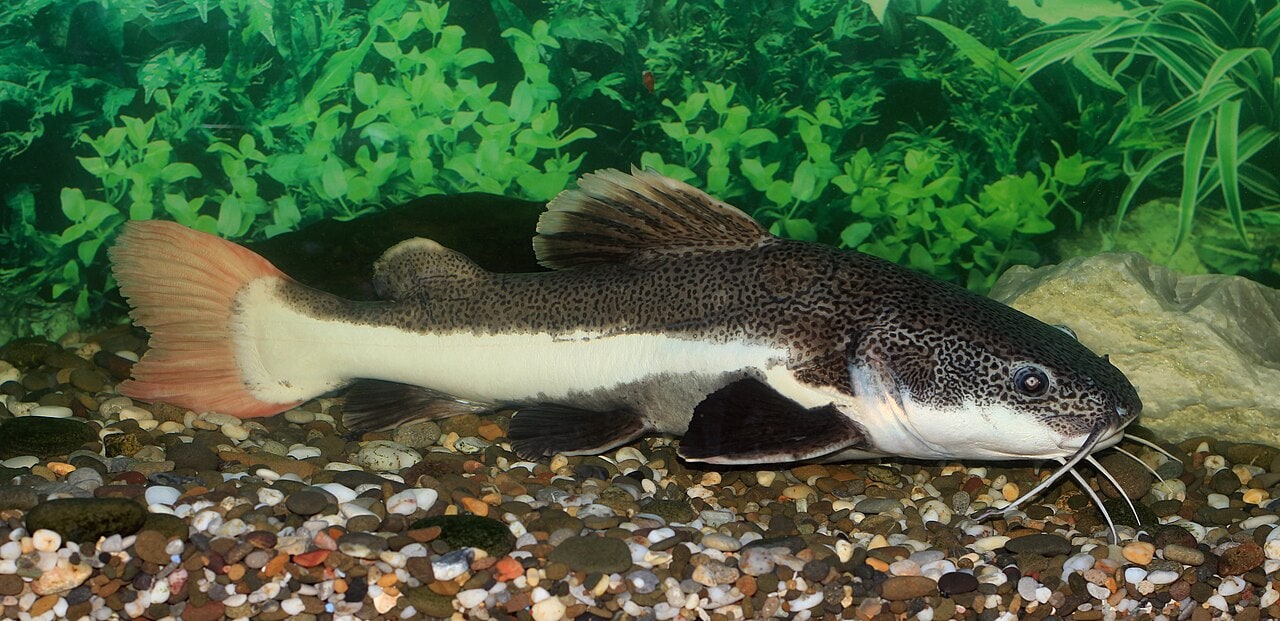 Red-tailed catfish
aggressive · advanced · min 2000L
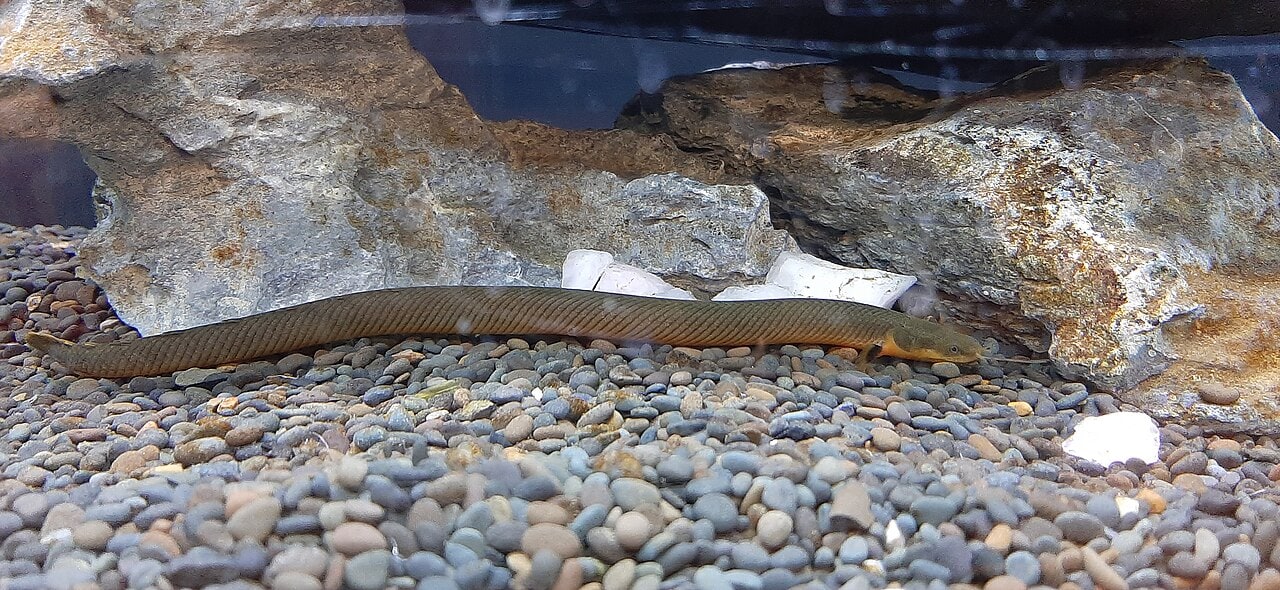 Ropefish / reed fish
peaceful · advanced · min 200L
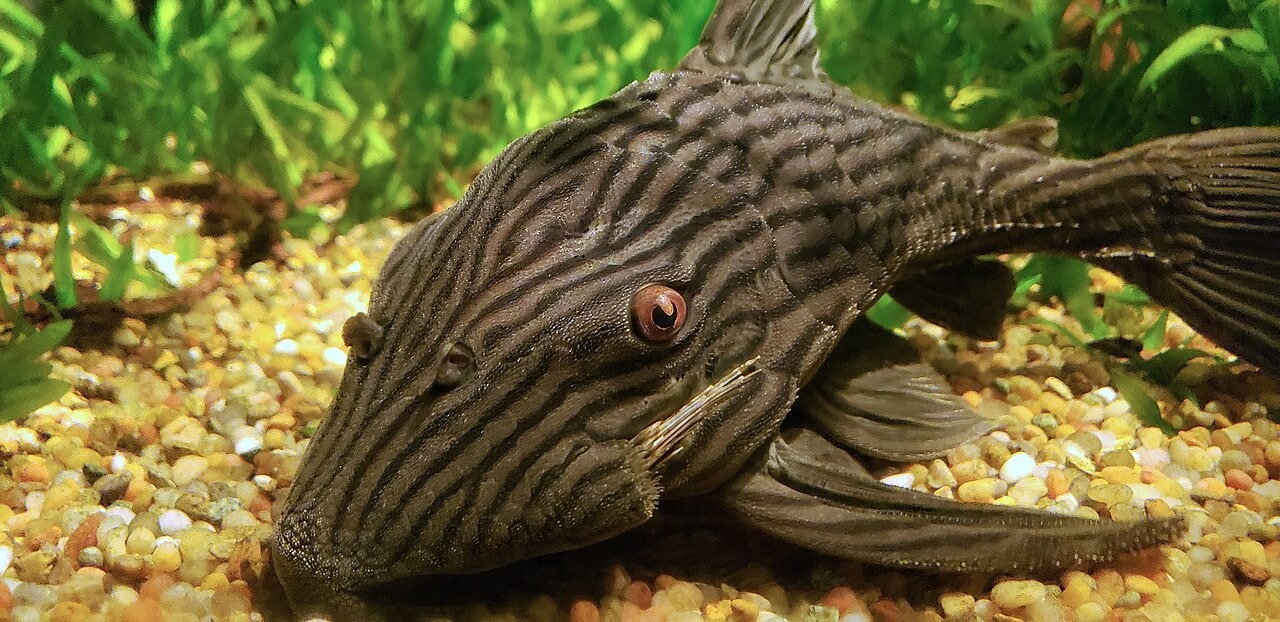 Royal pleco
peaceful · advanced · min 500L
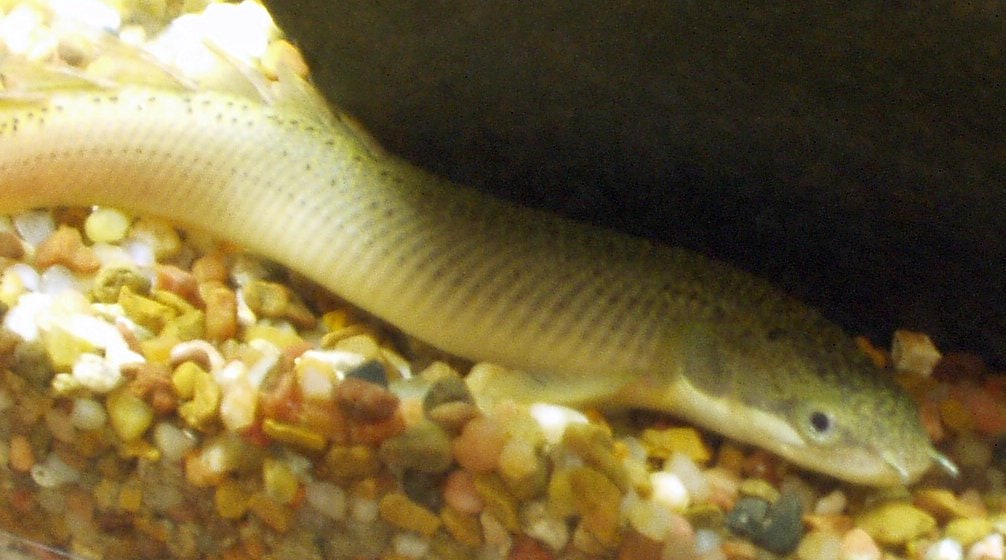 Senegal bichir
semi-aggressive · intermediate · min 300L
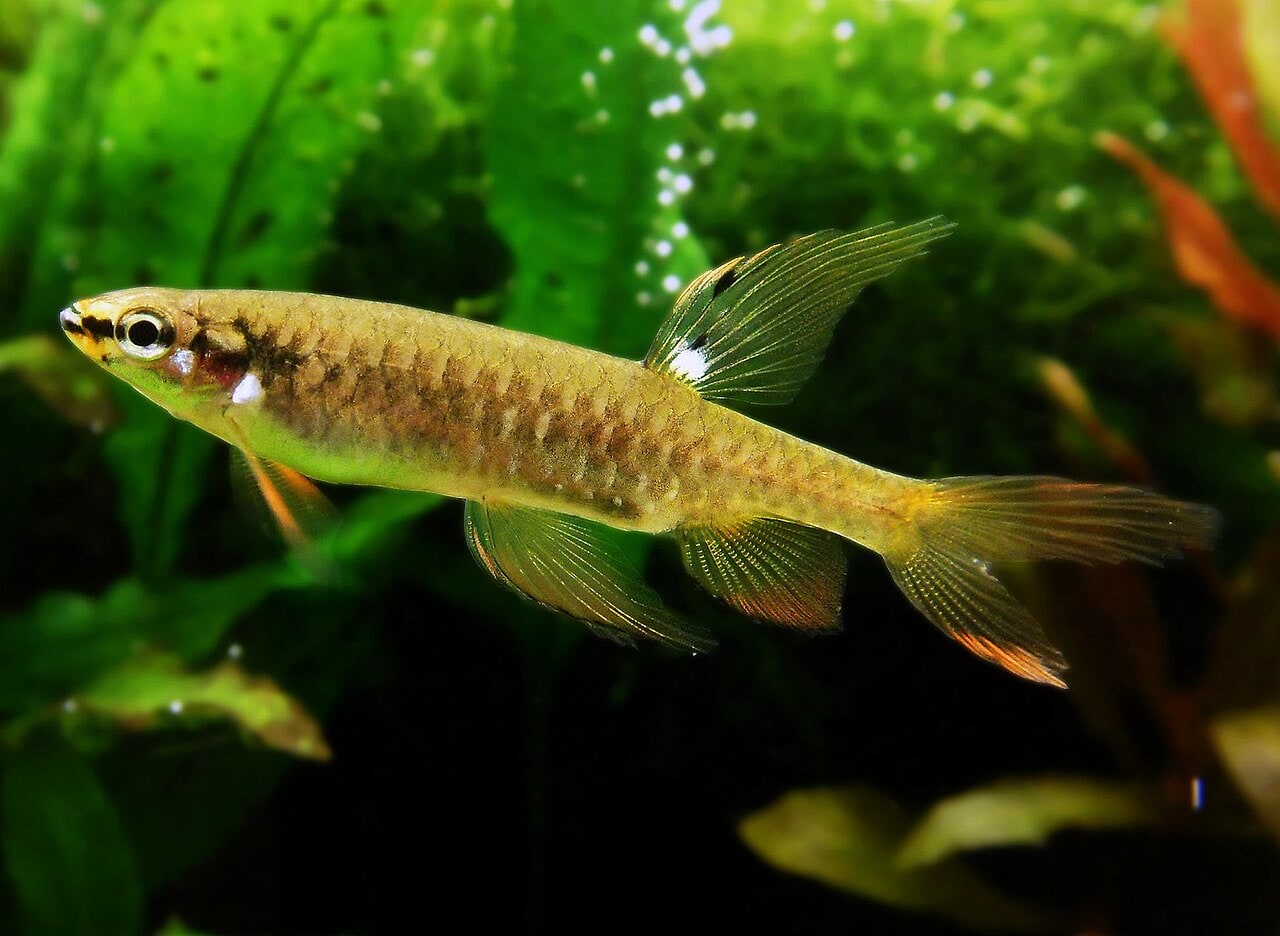 Splash tetra
peaceful · advanced · min 80L
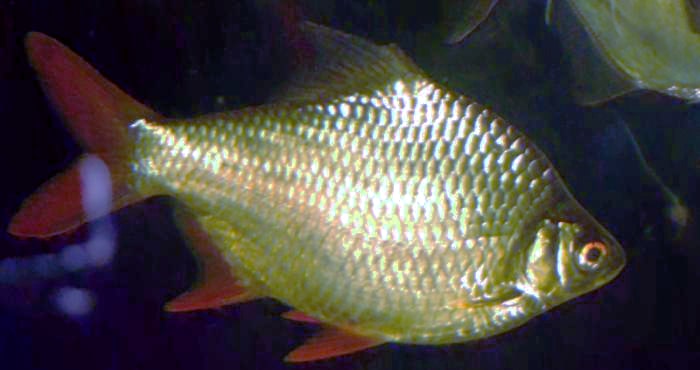 Tinfoil barb
peaceful · intermediate · min 500L
Next steps
Shortlist a few names from this guide, then verify the real mix before you buy.
Other guides
Skip as a first fish — quick answers
- What does the “Skip as a first fish” list include?
- 21 species are marked not-recommended for beginners, advanced-care, or aggressive in a tank size that bites back.
- Why are these fish a poor first choice?
- Advanced care, aggression, or equipment demands that punish first tanks. Most early failures are routine and filtration failures, not “bad fish.” Use the alternatives list for a harder first path.
- When can I keep fish from this avoid list?
- After you can hold stable water, feed precisely, and observe patiently on hardier stock — often with a second tank. Come back with skills, not hope.
- Which species appear on this guide right now?
- Examples currently matching include African Cichlid, African freshwater butterflyfish, Bala / silver shark, Black ghost knifefish, plus 17 more. Counts change as the library grows.