South American cichlid community — 200L

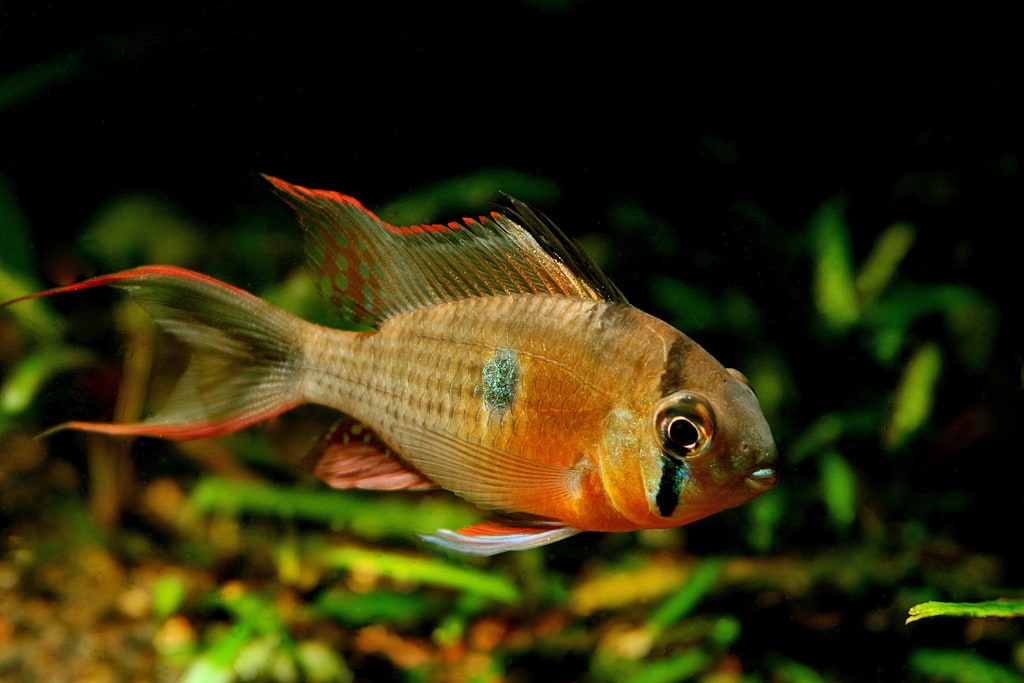
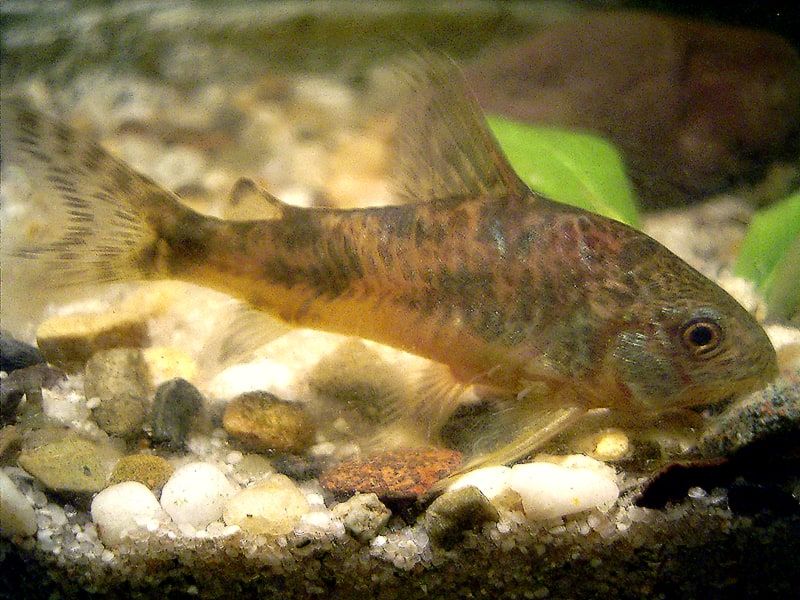
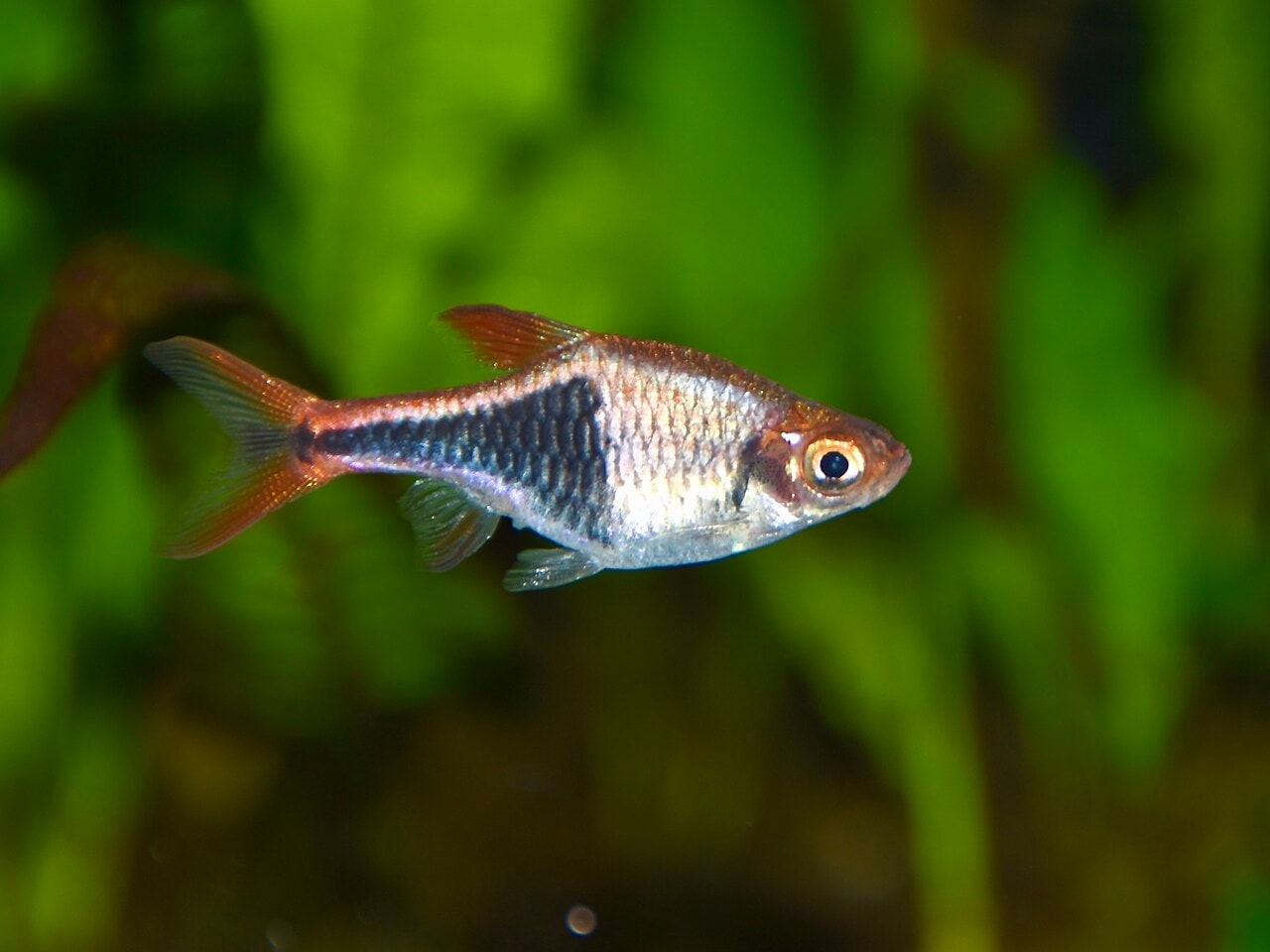
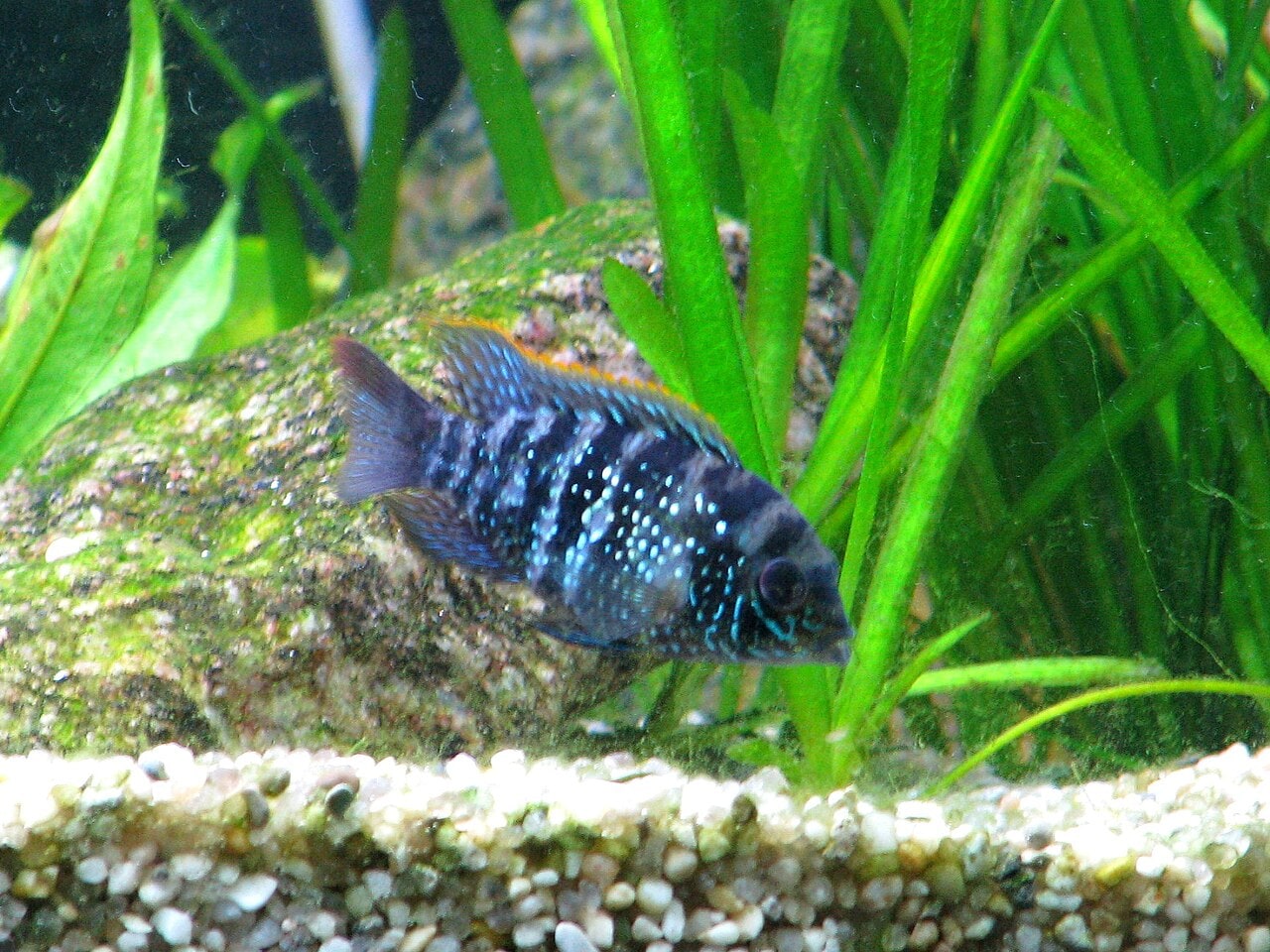
Electric blue acaras, bolivian rams, corydoras, and rasboras in a 200L planted tank — a manageable cichlid community for intermediate keepers.

Stocking — 200L

Behaviour stack — multiple caution-level pairs or activity mismatches make outcomes harder to predict than a simple community mix. Review supporting points next, then re-run the check.

**Primary issue:** Behaviour stack — multiple caution-level pairs or activity mismatches make outcomes harder to predict than a simple community mix. **Temperament spread or predators in the mix** — feeding order, territory, and observation matter more than in an all-peaceful list. 22 fish across 4 species in 200L. Shared temperature 24–26°C. Stocking: **balanced** (load index 180 vs ref 200).

Why this setup works

South American dwarf and medium cichlids share tank space more reliably than most cichlid combinations, provided the tank has enough territory for each pair to establish without constant collision. Two hundred litres with good planting and visual breaks is the entry point for a multi-species cichlid community that does not degrade into constant aggression.

Electric blue acaras are forgiving cichlids for this role. They are less aggressive than their acara relatives, pair bond reliably, and do not demolish plants with the same enthusiasm as larger species. A single pair in 200L will hold a territory but leave enough water for the rams. The vivid blue iridescence of a healthy acara pair over a well-maintained substrate is one of the better payoffs in cichlid keeping.

Bolivian rams are the gentler cousin of the German blue ram — less visually striking but easier to maintain long-term. They do not demand the 28–30°C temperature that German blues need and they are less susceptible to the disease problems that plague commercially produced German blues. A pair in a 200L with established territory is a sustainable addition alongside acaras if both pairs have defined areas.

The corydoras at the substrate serve a dual purpose: waste cleanup and as a social buffer. Cichlids that might display at each other across an open substrate are less likely to escalate when there is constant peaceful activity at the bottom. Eight corydoras is the right group size for this volume.

Harlequin rasboras in the midwater complete the zone coverage and provide constant movement that keeps the cichlids from fixating on each other. Temperature 24–26°C, pH 6.8–7.2, soft to medium hardness. Avoid adding fish smaller than 3cm fully grown — the acaras will eventually treat them as food.

Pair checks in this setup

Customise this stocking

Open the interactive editor pre-loaded with this setup, then add or swap species.
Open in Tank Builder →

Other stocking scenarios

Open interactive editor ↓
Tank preview200L · 22 fish
2× Electric Blue Acara2× Bolivian Ram8× Corydoras Catfish10× Harlequin Rasbora

Your stock

Electric Blue Acara
Electric Blue Acara
18cm · semi-aggressive · 150L min
2
Bolivian Ram
Bolivian Ram
8cm · peaceful · 110L min
2
Corydoras Catfish
Corydoras Catfish
6cm · peaceful · 60L min
8
Harlequin Rasbora
Harlequin Rasbora
5cm · peaceful · 60L min
10
VerdictRISKY

Behaviour stack — multiple caution-level pairs or activity mismatches make outcomes harder to predict than a simple community mix. Review supporting points next, then re-run the check.

Primary issue: Behaviour stack — multiple caution-level pairs or activity mismatches make outcomes harder to predict than a simple community mix. Temperament spread or predators in the mix — feeding order, territory, and observation matter more than in an all-peaceful list. 22 fish across 4 species in 200L. Shared temperature 24–26°C. Stocking: balanced (load index 180 vs ref 200).
Score 77/100·Confidence low·Aggressive or predator-leaning mix

One or more species profiles are only partially verified or need verification — treat numbers as planning guidance, not guarantees. At least one species has ID or trade-name ambiguity on file — plan for a typical trade example, not every shop label. Several caution-level pair flags mean real outcomes depend on tank shape, cover, and individual fish. Elevated risk verdict — we bias toward safety; your reading of specialist sources still matters.

Pair compatibility for any two species · Fish library

Warnings

  • Temperature overlap is narrow (24–26°C) — heater thermostat accuracy matters.

Positives

  • WaterpH requirements overlap reasonably across the group.
  • StockingEvery listed species has a published minimum tank size at or below 200L.

Water overlap

What every fish can share at the same time

Shared temperature: 2426°C (narrow band)

Shared pH: 6.57.5

Shared temperature range for all species: 24–26°C.

Shared pH window: 6.5–7.5.

Stocking pressure

balanced

Load index 180 vs conservative reference 200 for 200L (adult cm × quantity × bioload weight × territory factor).

Swim-zone distribution

Fish-weighted zone use — top 0.0, middle 12.0, bottom 10.0 (relative biomass per level).

top 0
middle 12
bottom 10

Most biomass leans toward one swim level — shy fish may feel exposed or outcompeted at feeding time.

Compatibility summary

Species pairing: needs care

warning· other
  • Electric Blue Acara + Bolivian Ram: Electric Blue Acara + Bolivian Ram: Temperament difference. Electric Blue Acara is semi-aggressive, while Bolivian Ram is peaceful. Expect chasing or stress unless the tank is large and heavily structured — monitor closely. Outcomes still depend on your tank shape, maintenance routine, and individual fish.
  • Electric Blue Acara + Corydoras Catfish: Electric Blue Acara + Corydoras Catfish: Temperament difference. Electric Blue Acara is semi-aggressive, while Corydoras Catfish is peaceful. Expect chasing or stress unless the tank is large and heavily structured — monitor closely. Outcomes still depend on your tank shape, maintenance routine, and individual fish.
  • Electric Blue Acara + Harlequin Rasbora: Electric Blue Acara + Harlequin Rasbora: Temperament difference. Electric Blue Acara is semi-aggressive, while Harlequin Rasbora is peaceful. Expect chasing or stress unless the tank is large and heavily structured — monitor closely. Outcomes still depend on your tank shape, maintenance routine, and individual fish.
  • Bolivian Ram + Corydoras Catfish: Bolivian Ram + Corydoras Catfish: Narrow temperature overlap. Bolivian Ram and Corydoras Catfish have only a narrow shared temperature range. Maintaining stable water temperature will be important. Outcomes still depend on your tank shape, maintenance routine, and individual fish.

Temperament gap

warning· temperament
  • Electric Blue Acara (semi-aggressive) and Bolivian Ram (peaceful) — needs space, line-of-sight breaks, and observation.
  • Electric Blue Acara (semi-aggressive) and Corydoras Catfish (peaceful) — needs space, line-of-sight breaks, and observation.
  • Electric Blue Acara (semi-aggressive) and Harlequin Rasbora (peaceful) — needs space, line-of-sight breaks, and observation.

Pairs checked: 6 · RISKY pair flags: 0 · CAUTION: 4

Fix this setup

Grouped by scenario — work through each block in order

Layout & swim zones

  • 1.Add structure (caves, tall plants) and consider species that use under-represented zones.

Overall plan

  • 1.Choose one direction: remove the highest-risk species first, or change the tank class (length, volume, filtration) to match the adults you intend to keep — halfway plans fail most often here.

Suggested swaps

  • Single-biome community: e.g. soft-water South Americans together (tetras + corydoras + small gourami) — run the pair tool for every add-on.
  • Species or centrepiece tank: one main species (or one compatible pair group) in a right-sized aquarium with dither fish from the same water profile — not random continent mixing.

Beginner difficulty

moderate

  • Includes intermediate species — stable parameters matter.
  • Several caution flags — needs experience reading fish behaviour.

Behaviour & stress

Bottom territory focus: Electric Blue Acara, Bolivian Ram.

Fish behaviour varies. Fishori gives conservative planning guidance based on adult size, temperament, tank size and common aquarium care sources.