Beginner community — 80L
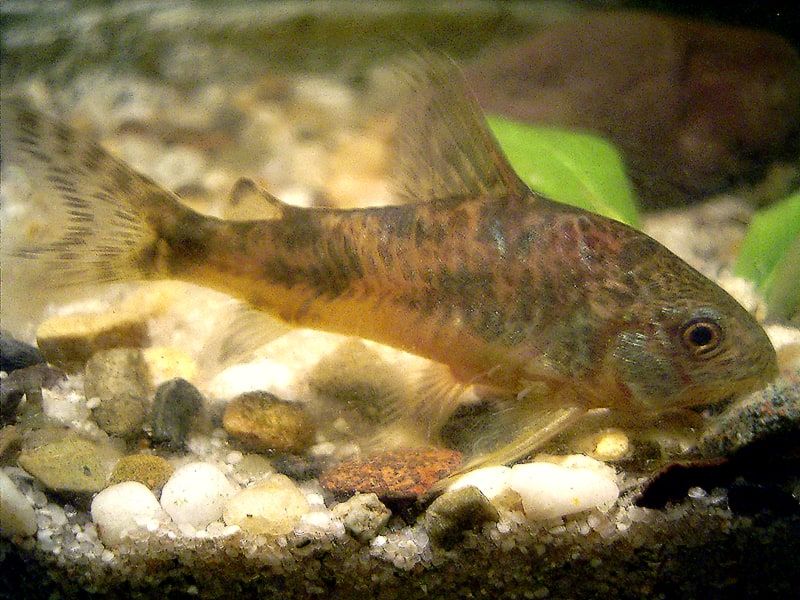
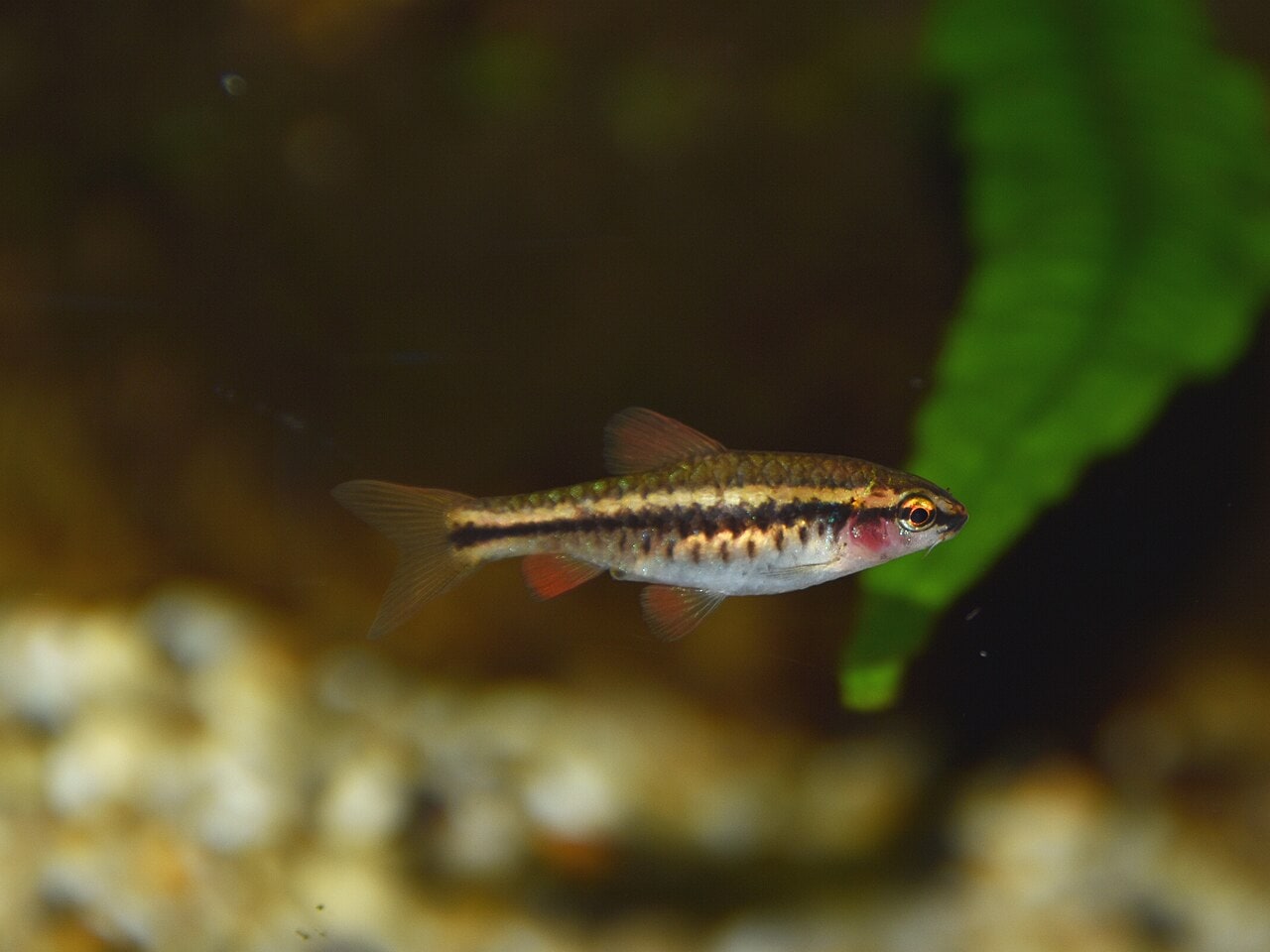
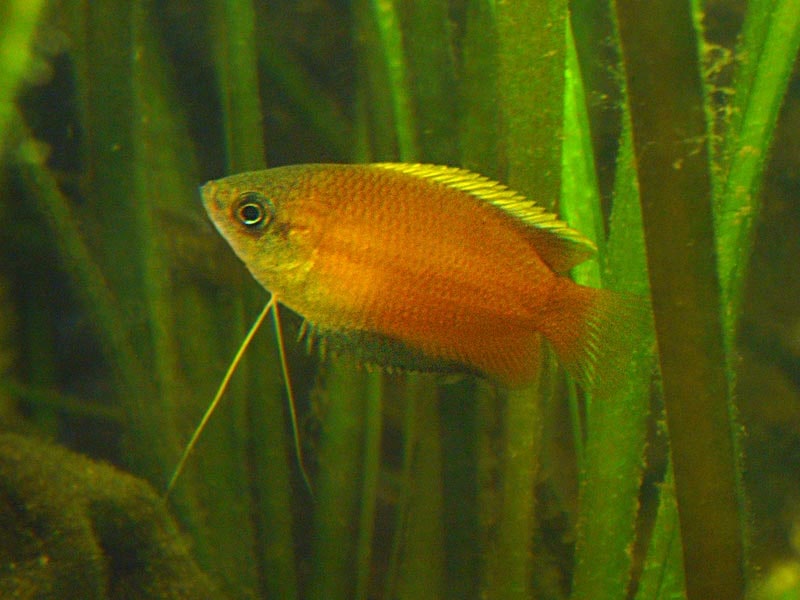
Corydoras, cherry barbs, and a honey gourami: a forgiving 80L setup that teaches community aquarium basics without punishing small mistakes.
Stocking — 80L
Temperature overlap is razor-thin — small heater drift or a cold room swings someone out of range. Review supporting points next, then re-run the check.
**Primary issue:** Temperature overlap is razor-thin — small heater drift or a cold room swings someone out of range. Reads as a **general community basket** — outcome depends on honest volume, peaceful choices, and filtration headroom. 15 fish across 3 species in 80L. Shared temperature 24–26°C. Stocking: **near-limit** (load index 84 vs ref 80).
Why this setup works
This is the community tank many experienced keepers wish they had started with. Three species, none of them difficult, and each occupying a different part of the water column. The corydoras work the substrate in a tight group, the cherry barbs cruise the midwater, and the honey gourami claims the upper third without crowding anything out.
Eight corydoras is the right number for an 80L — six is the stated minimum, but corydoras are more active and more settled in larger groups. Choose bronze cory or albino cory to start; both are captive-bred in large numbers and far harder than wild-caught variants. They will eat anything that sinks, including leftovers the other fish miss, which keeps the substrate cleaner than it would otherwise be.
Cherry barbs have a reputation for being borderline boring, and that reputation is unfair. A school of six in a planted tank, with a male in full colour, is genuinely striking. They are also one of the few barb species that will not nip fins, which matters if you ever add a longer-finned fish later.
The honey gourami is a better choice than the dwarf gourami for this size of tank and this level of experience. It is less susceptible to the iridovirus that kills dwarf gouramis in bulk and it is calmer about sharing space. One male is plenty; two males in 80L will establish a boundary you cannot see and defend it constantly.
Plants are optional but strongly recommended — java fern on wood, some vallisneria in the background, and a few floating plants to break the surface light. The corydoras will benefit from leaf litter on the substrate if you can get it. Temperature 24–26°C, pH 6.8–7.4.
Pair checks in this setup
Customise this stocking
Open the interactive editor pre-loaded with this setup, then add or swap species.