Should I buy it?
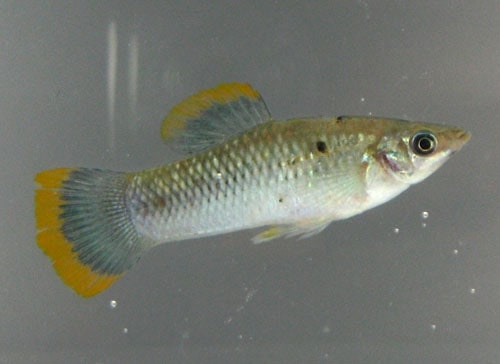
Molly
Poecilia sphenops
Also known as: sailfin molly (types)
Bigger and messier than people expect. Hard alkaline water shifts which neighbours work. Soft-water tetras like neons do not pair.
Molly tank mates · 80L tank size hub
peaceful · beginner care
Sources & confidencehigh · verified · beginner: good
Checked against several solid care sources that mostly agree. Numbers here are a careful starting point. Your tap water, tank size, and habits decide the rest. How we evaluate.
Best for: Hard-water community tanks 100L+ that lean livebearer-heavy (mollies + platies + swordtails).
Avoid if: Your water is soft and acidic, you only have a 60L tank, or you wanted to mix them with neons / discus.
Common mistakeMixing mollies with soft-water tetras such as neons or cardinals is the stocking chart mistake that looks fine for a week. Molly water wants hard, alkaline stability; that chemistry stresses soft-water fish even when everyone is eating. Build a livebearer-heavy hard-water tank, or skip mollies — do not split the difference in one box. Salt is not a patch for soft tap water.
Top things that go wrong
- Shrimp & snails. Cherry shrimp and other dwarfs can coexist with peaceful small fish; baby shrimp are food for almost anything that finds them.
What most shops don't tell you
- 1.The shop line that mollies are brackish fish and must have aquarium salt still sells bags. Many common mollies live well in hard freshwater when hardness and pH stay stable; salt is a tool, not a personality requirement. Keepers who dose salt instead of fixing soft acidic water often mask the real mismatch until fish crash after a big change. Match hardness first; treat brackish setups as a deliberate project, not the default myth.
- 2.Soft acidic planted tanks with no added minerals. Mollies fade and stop holding fins until the water hardens.
- 3.Small tanks for sailfin lines. Adult fin weight and turning radius decide the floor, not the shop juvenile in a net.
- 4.Need pH 7.5 to 8.5 and hard water. A low dose of marine salt helps in stubborn soft-water taps. Mix vegetable matter into the feed.
About this species
Mollies are livebearers that need hard alkaline water. Some keepers add a low dose of marine salt to keep fins. Adults reach 8 to 12 cm and crowd small tanks fast.
- Swordtail80L min · same group, comparable tank size
- Platy60L min · same fish family
- Endler's Livebearer40L min · same fish family
- Guppy40L min · same fish family
- Sailfin Molly120L min · same group, similar adult size
- Amano Shrimpalso beginner peaceful, similar tank size
- Beckford Pencilfishalso beginner peaceful, similar tank size
- Black Neon Tetraalso beginner peaceful, similar tank size
- Black phantom tetraalso beginner peaceful, similar tank size
- Bloodfin tetraalso beginner peaceful, similar tank size
- Bristlenose Plecoalso beginner peaceful, similar tank size
- African Cichlid tank matesnames this fish as a conditional pairing — read the pair page conditions
- Convict cichlid tank matesnames this fish as a conditional pairing — read the pair page conditions
- Cuckoo / petricola catfish tank mateslists this fish as a safe and recommended mate
- Firemouth Cichlid tank matesnames this fish as a conditional pairing — read the pair page conditions
- Kribensis tank matesnames this fish as a conditional pairing — read the pair page conditions
- Opaline gourami tank matesnames this fish as a conditional pairing — read the pair page conditions
- Platy tank mateslists this fish as a safe and recommended mate
- Rainbow cichlid tank mateslists this fish as a safe and recommended mate
Plan grid
Key limits are above. Here: pH band, swim level, bioload, and activity.
Swim zones
Care snapshot
Quick compare before you buy. Not a score of how “good” the fish is.
- Beginner ease81
- Peacefulness90
- Community fit68
- Small-tank fit60
- Hardiness79
- Energy54
Numbers are deterministic planning indices from Fishori fields — not a scientific score of your individual fish.
Example setups
Starting points only. Run the pair checker for every fish you add.
Match temperature and pH overlap with every tank mate, then verify adult size and group rules on pair pages — Fishori is biased toward boring, survivable plans.
Compatibility
Tank mates for Molly
Usually safer (engine GOOD): Platy. Avoid (RISKY): Betta, Jack Dempsey, Oscar. Every name links to a live pair check — the lists are a shortlist, not a stocking plan.
Usually safer
Open a pair page with this fish as the starting point.
Needs planning
Read the blocking rule on each pair page before experimenting.
None listed. Use the pair checker before mixing.
Usually avoid
Do-not-stock combinations on conservative hobby rules.
Compare with
Run a real pair check: Molly + Platy
- Try Platy — open the pair check.
Behaviour and temperament
Mollies use the upper third of the tank and keep grazing between feeds, so a settled group looks busy rather than shy. Males chase when the ratio is wrong; blood is uncommon, but a battered female is the cue to rebalance or remove the dominant male. Sailfin males patrol and flare more than short-finned types, which reads as pushy at feeding time. Hard breathing at the surface is usually a water problem, not a fish that secretly needs a marine tank.
What sets them off
- Sudden crowding
- Poor water quality
Fin nipping: Not a habitual fin-nipper; stressed or crowded individuals can still test fins.
Predation: Not a predator toward similarly sized community fish; fry and dwarf shrimp are still fair game for most species.
Territory: Not strongly territorial, but still needs room so its working space does not overlap the next fish.
Planted tanks: excellent — easy plant ideas
In the glass: typical and warning signs
- Uses the whole upper third; grazes algae between feeds.
- Sailfin males flare and patrol; shorts are calmer but still busy.
- Breathing hard and hanging at the surface — usually water, not 'needing salt'.
- Sudden deaths after a big water change in soft, acidic tanks.
- Males chase; rarely draw blood unless overcrowded or male-heavy.
- One female battered → rebalance sexes or pull the dominant male.
- Do not 'fix' stress with aquarium salt as a default — test and match hardness first.
Fish behaviour can vary between individuals and tank setups. Always observe new fish closely after introduction.
Water, food, and grouping
Hardness
hard
Diet
omnivore
Mollies graze algae and biofilm all day, and protein-only feeding is a quiet path to digestive trouble. Keep a vegetable component in the diet — spirulina flake, algae wafers, or blanched courgette — alongside ordinary omnivore flake. A little frozen food once or twice a week is fine; daily rich protein is not. If the glass stays spotless and you never offer greens, you are under-feeding what their gut expects.
Shrimp & snails
Cherry shrimp and other dwarfs can coexist with peaceful small fish; baby shrimp are food for almost anything that finds them.
Keep at least 3, bought at the same time.
Livebearers breed every few weeks. Plan sex ratios or a rehoming route before the first fry.
- Hold 24 to 30 °C steadily on a real thermometer, not the dial on the heater.
- Aim for pH 7.5 to 8.5 and a hardness you can re-test in two weeks. A one-time strip in the shop car park is not a water test.
- Footprint: short wide tanks and tall narrow tanks fish differently for the same volume. Match the tank shape to the swim pattern, not just the litre count.
- Tank volume meets or exceeds 80L published minimum for adults.
- You can stock at least 3 individuals (group welfare).
- Heater can hold 24–30°C without cooking cooler-water tank mates.
Explore and stocking hubs
Tank-mates hub, matching guides, category peers, and litre stocking lists around this species’ minimum tank.
Plan with tools
Check mates as pairs first, then add this fish in the tank builder for the full stocking.
Filtration & heating
A 80L minimum tank needs a filter rated for at least 320L/hr turnover and a heater to hold 24–30°C reliably.
Plant suggestions
Molly does well in planted tanks. Plants compatible with 24–30°C and pH 7.5–8.5:
Research: verified · Confidence: high · 3 linked source(s). We do not invent citations.
How Fishori evaluates compatibility (same logic as pair and tank tools).
- Seriously Fish. Poecilia sphenops
Supports: aquarium size, water chemistry, temperament and compatibility (primary care reference).
- FishBase. Poecilia sphenops
Supports: taxonomy and wild maximum size — translate to tank stocking, not a target number.
- Wikipedia. Poecilia sphenops
Supports: general species background and common-name orientation only.
Evidence notes
- Care numbers are cross-checked across the linked sources and biased toward the conservative end; compatibility reflects typical hobby experience, not a lab prediction. Method and full source policy: /methodology.
Featured compatibility checks
Curated pair pages for Molly. Each opens a full verdict — not just a list label.
Common questions about Molly
- How big do Molly get?
- Common short-fin mollies reach 8-10cm; sailfin mollies reach 12-15cm. People stock them like they were guppies and run out of bioload fast.
- What size tank does Molly need?
- 100L+ for short-fins; sailfins want 200L+. Their bulk and waste output need real volume and strong filtration.
- Are Molly aggressive?
- Mollies use the upper third of the tank and keep grazing between feeds, so a settled group looks busy rather than shy. Males chase when the ratio is wrong; blood is uncommon, but a battered female is the cue to rebalance or remove the dominant male. Sailfin males patrol and flare more than short-finned types, which reads as pushy at feeding time. Hard breathing at the surface is usually a water problem, not a fish that secretly needs a marine tank.
- What is the most common mistake with Molly?
- Mixing mollies with soft-water tetras such as neons or cardinals is the stocking chart mistake that looks fine for a week. Molly water wants hard, alkaline stability; that chemistry stresses soft-water fish even when everyone is eating. Build a livebearer-heavy hard-water tank, or skip mollies — do not split the difference in one box. Salt is not a patch for soft tap water.
- What fish can live with Molly?
- The Molly profile lists Platy among its safer pairings (engine-checked GOOD). Avoid Betta, Jack Dempsey, Oscar (RISKY). Run the pair checker for your exact water and tank size before stocking.